
Iran said on Tuesday that it had made no new commitments to allow international inspectors into the nuclear facilities damaged during its recent war with the United States and Israel, publicly contradicting US Vice President JD Vance, who a day earlier had described Tehran's cooperation with nuclear monitors as a breakthrough.
The dispute exposed a sharp gap between Washington's account of what was agreed in newly launched talks and Iran's own description of its obligations, raising early questions about the durability of an emerging framework meant to end the conflict.
What Iran said
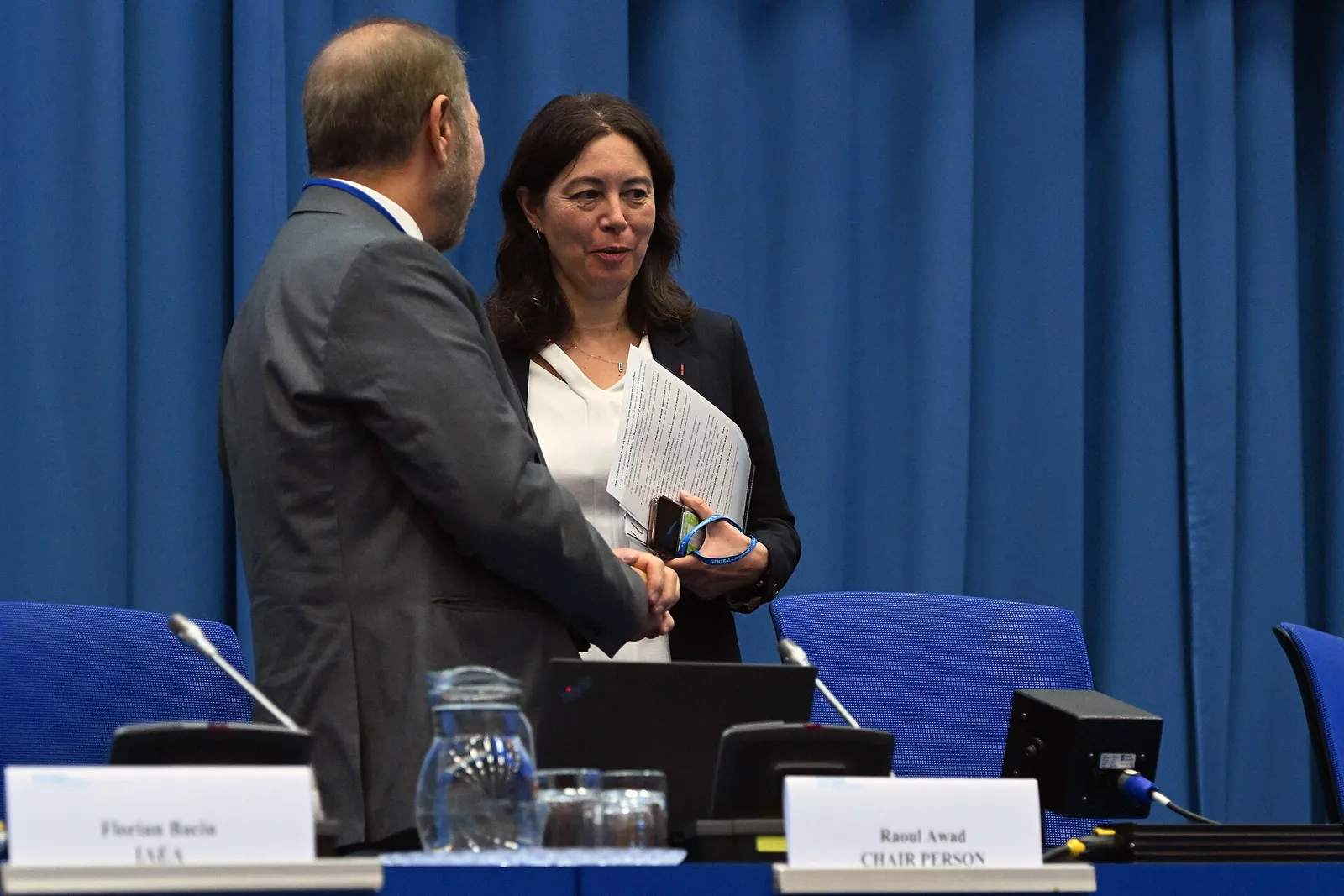
Foreign Ministry spokesman Esmail Baghaei said Iran had not entered into fresh undertakings on inspections of the sites hit during the war. Tehran had neither met with the head of the International Atomic Energy Agency nor scheduled any inspection of the damaged facilities, he said, in remarks carried by Iran's official IRNA news agency and reported by The Times of Israel.
Iran's account, relayed through IRNA, was that it did not negotiate the nuclear question during some 18 hours of discussions in Switzerland and accepted no new obligations. Tehran said it would continue to meet its existing commitments as a member of the nuclear Non-Proliferation Treaty and under its safeguards agreement with the IAEA, but that any visits to the bombed sites — and any arrangement covering its stockpile of enriched uranium — would depend on a mechanism to be settled in a final deal after a 60-day negotiating period.
What Vance said
Vance had told reporters a day earlier, after a first round of US-Iran talks, that Tehran had agreed to reopen its doors to the UN nuclear watchdog. "The Iranians have agreed to invite IAEA inspectors back into their country," he said, calling it a "major milestone," according to The Hill. He suggested the monitors could return quickly, saying he expected it to happen within the week.
President Donald Trump went further, insisting that Iran had agreed to nuclear inspections as part of talks aimed at ending the war, NBC News reported.
A contested framework
The competing statements concern the same negotiation. According to the Iranian account, monitoring of declared, undamaged sites such as the Bushehr power plant would continue, but inspecting the bombed facilities is neither scheduled nor agreed, and would be a matter for future talks rather than an immediate concession.
That framing is markedly narrower than the one offered in Washington, where officials presented Iran's posture as a clear agreement to admit inspectors. The IAEA had not, at the time of Iran's statement, confirmed any new inspection arrangement or a meeting between its director general and Iranian officials.
Why the sites matter
The disagreement centers on facilities that were central targets of the recent fighting, among them the enrichment plants at Natanz and Fordow and the Isfahan complex. The agency has said it lost the ability to verify the status of Iran's most sensitive nuclear material after its inspectors' access was cut off during the conflict.
For the IAEA, regaining access to the damaged sites is the central question, because without it the fate of Iran's enriched uranium remains unknown. Iran has long insisted its program is peaceful, while the United States and Israel have said the strikes were aimed at preventing Tehran from building a bomb.
With the 60-day clock that Baghaei described now running, the gap between Vance's optimistic timeline and Tehran's cautious wording is likely to be tested within days.