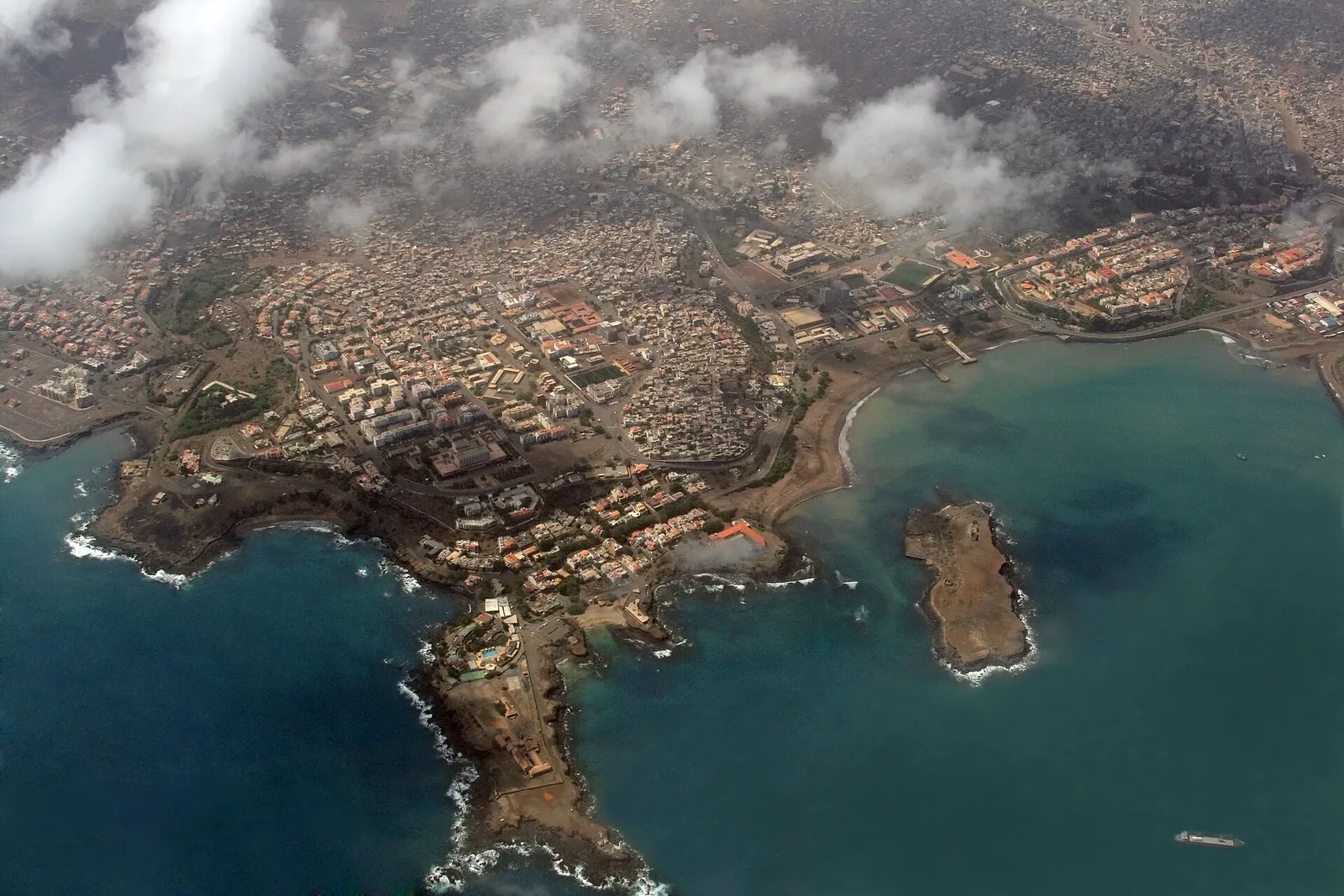
Every World Cup produces an underdog that captures the neutral's affection. This year it is Cape Verde — a nation of volcanic islands scattered in the Atlantic off the coast of West Africa, home to fewer than 525,000 people, appearing at football's greatest tournament for the very first time. And they have not merely made up the numbers: the Blue Sharks have already gone further than almost anyone expected, becoming the smallest country ever to reach the knockout rounds of a World Cup.
From qualification to history
Cape Verde's journey to the finals was itself historic. The islanders sealed their first-ever World Cup place in October 2025 with a 3-0 win over Eswatini, an achievement that set off celebrations across the archipelago and among its large diaspora, as their tournament history records. For a country whose population is smaller than many mid-sized cities, simply qualifying was a milestone.
Drawn into a tough group alongside Spain, Uruguay and Saudi Arabia, few gave them much chance of surviving it. Instead they held their own against far more storied opponents, earning a goalless draw with Spain — their first point in World Cup history — and a 2-2 draw with Uruguay, before finishing second in the group to march into the knockout phase.
The smallest to go this far
The scale of the feat is best measured in numbers. Cape Verde covers just over 4,000 square kilometers and, when it qualified, was among the least-populated nations ever to reach a World Cup. Reaching the knockout stage makes it the smallest, by population, to get there — a distinction that speaks to how unusual this run is in a sport increasingly dominated by large, wealthy footballing nations.
Much of the team is drawn from Cape Verde's far-flung diaspora — players born or raised in Portugal, the Netherlands and beyond, who have chosen to represent their family's homeland. That connection between a small nation and its scattered children abroad is part of what has made the story resonate, as ESPN reported, turning matches into homecomings of a kind.
Why it matters beyond the result
Cape Verde's run is a reminder of what the World Cup can be at its best: a stage on which a tiny nation, with a fraction of the resources of the giants, can compete on merit and win the world's affection. Their goalkeeper and defense have frustrated more celebrated attacks, and their willingness to dig in for draws against Spain and Uruguay showed a team that knows exactly what it is and plays to its strengths.
There is also a broader significance for African football, and for small nations everywhere, in seeing a side like this defy the odds on the biggest stage. Success breeds belief, and belief breeds the next generation of players who grow up thinking such things are possible.
Whatever happens next
The knockout rounds bring sterner tests, and the gap in resources between Cape Verde and the tournament's favourites is real. A deep run is not guaranteed, and the islanders may yet meet an opponent too strong to hold. But that hardly diminishes what they have already done.
For a country of half a million people, appearing at a first World Cup and advancing beyond the group stage is the kind of achievement that will be told and retold for generations. Cape Verde came to be counted, and instead they have made history — the smallest giant-killer the tournament has seen.