FIFA has said it will not stop fans from bringing rainbow flags into the Egypt-Iran group match at the 2026 World Cup, a fixture in Seattle that coincides with the city's Pride weekend — declining objections from both countries' football federations.
A scheduling overlap
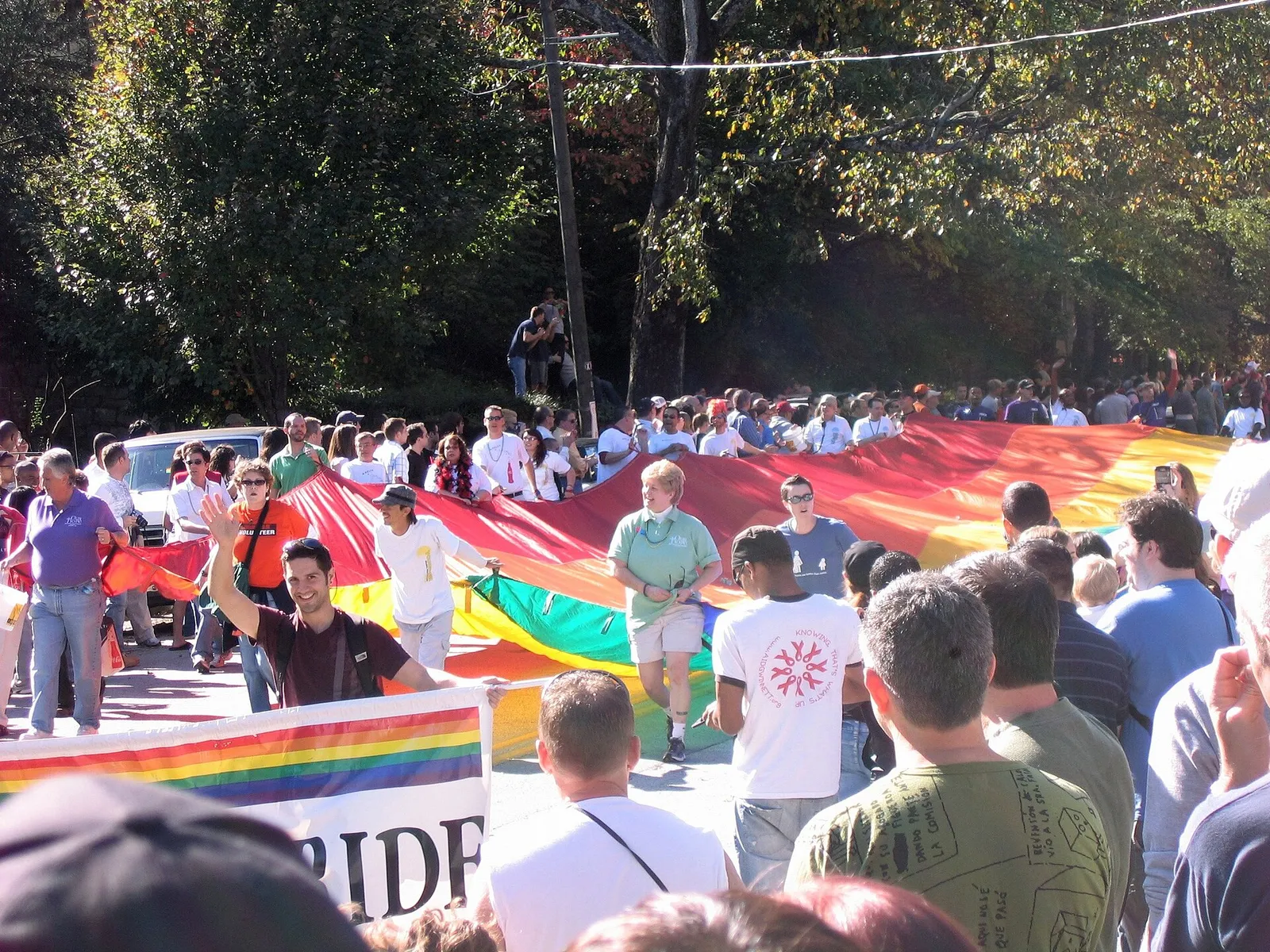
Egypt and Iran were drawn together in Group G, with their match assigned to Seattle's Lumen Field. The fixture falls during Seattle's long-running Pride celebrations, and local LGBTQ+ groups dubbed it a "Pride match," planning rainbow flag displays in and around the stadium, NBC News reported.
What FIFA decided
FIFA confirmed it would not prohibit rainbow flags, citing its own tournament rules. "General statements of human rights, including rainbow flags and other flags representing sexual orientation and gender identity, are permitted under the FIFA World Cup 2026 Stadium Code of Conduct," the body said, adding that fans "of all sexual orientations and gender identities are welcome," ESPN reported.
At the same time, FIFA president Gianni Infantino has distanced the organization from the "Pride match" label, saying there would be "no 'Pride match'" at the World Cup — only a match in Seattle that happens to coincide with separate events organized by outside groups in the city. The distinction FIFA draws is narrow: rainbow flags as personal expression by fans are allowed under the code; an officially branded FIFA Pride event is not on its program.
The objections
Egypt's Football Association sent a formal letter to FIFA rejecting any association between the match and LGBTQ+ activities "in absolute terms," saying the scheduling clashed with its "cultural and religious values." Iran's federation president, Mehdi Taj, called the Pride-match framing "an irrational move that supports a certain group," and the two federations issued a joint statement describing their objection as reflecting values shared by "two Muslim countries with deep cultural and religious commonalities," asking that only national flags be displayed.
The context is significant: in Iran, same-sex relations are criminalized and can carry the death penalty under the country's laws. In Egypt, homosexuality is not explicitly outlawed, but rights groups say LGBTQ+ people have been prosecuted under public-morality statutes, according to Human Rights Watch.
Echoes of Qatar 2022
The dispute recalls tensions at the 2022 World Cup in Qatar, where some fans reported rainbow items being confiscated and several European teams abandoned plans to wear "OneLove" anti-discrimination armbands after FIFA warned of on-field sanctions. FIFA later said it had worked with Qatari authorities on access for fans.
Rights groups and hosts
Seattle officials have voiced support for open rainbow displays around the stadium and said protest zones were being prepared. But rights organizations have raised wider concerns: Amnesty International quoted a member of an LGBTQ+ supporters' group saying the tournament had "disenfranchised LGBT+ fans like no other," citing uneven legal protections across host cities. Amnesty and Human Rights Watch have urged FIFA to ensure consistent rights protections across all 16 host cities in the United States, Canada and Mexico, where legal frameworks for LGBTQ+ people vary.
FIFA's approach — permitting fan expression under its code while declining to stage a branded Pride event — mirrors how it has navigated similar disputes before: affirming inclusion in its rules while avoiding direct confrontation with member federations over cultural and religious objections. Whether that balance satisfies either side remains unclear.