

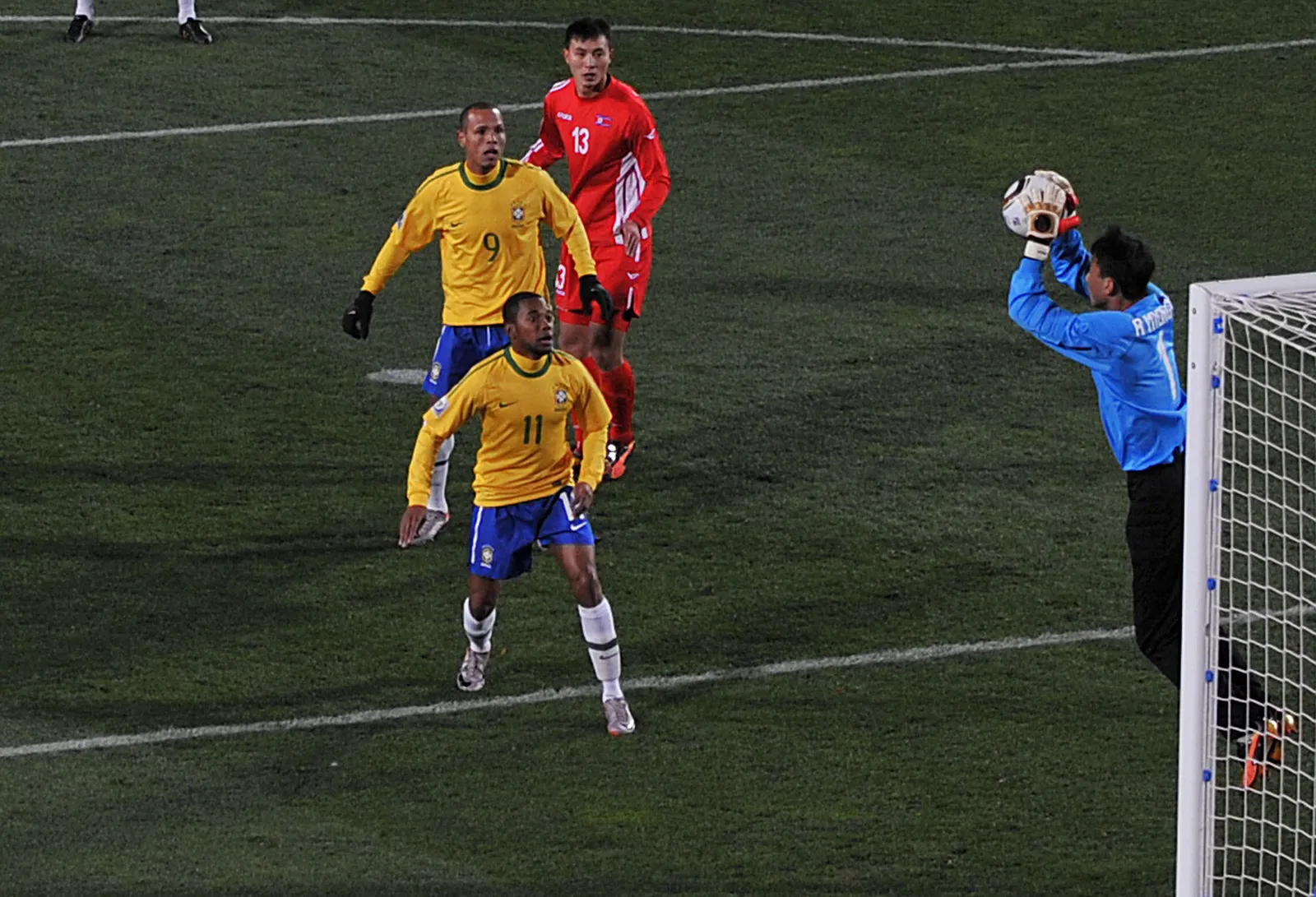
At a World Cup, no team really chooses what it wears. That decision belongs to FIFA, which dictates the precise combination of jersey, shorts and socks each side takes to the field for every fixture — a process ESPN describes as a kind of governing-body fashion police, designed to eliminate confusing colour clashes before they ever reach a broadcast.
A submission months in advance
The groundwork begins long before kickoff. National federations register their primary and alternate kits with FIFA, which then works out the optimal pairing for each match, according to beIN Sports. Teams hand over examples of every uniform component — jerseys, shorts, socks and even goalkeeper kit — and must keep all of them available at each game in case of an emergency change.
A common assumption is that the designated home team automatically wears its primary kit. It does not. FIFA prioritises whichever combination delivers, in its phrasing, the greatest possible contrast, rather than tradition, beIN Sports notes. That is why a flagship strip can end up benched: ESPN reported that despite public enthusiasm for Curaçao's bright yellow away kit, FIFA scheduled the debutants to wear blue across the group stage.
Light versus dark, for a reason
The single most important principle is a simple one to picture. "Whenever possible, FIFA seeks to ensure a dark-kit and light-kit colour contrast for its matches, in the interests of including those with a colour deficiency," FIFA states. In other words, the pairing is meant to read clearly even for viewers who struggle to distinguish certain hues.
When a potential clash looms, FIFA says it follows a sequence — examining one team's outfield kit, then the other's, then both goalkeeper kits, then the match officials' colours — before settling on the final designation. The analysis runs well beyond shirts; the colours of shorts, socks and goalkeepers' kit are all considered, a reflection of how high-definition broadcasts and video review have raised the stakes for visual clarity.
Confirmed weeks ahead
FIFA confirmed the group-stage colour designations for all 72 fixtures ahead of the tournament, its announcement shows, with host nations setting the tone for the opening round. The governing body's published rationale leans on accessibility and broadcast legibility rather than aesthetics — a reminder that what looks like a wardrobe choice is, for FIFA, a question of officiating and television.
When the system isn't there
The value of all this becomes clearest when the machinery is absent. ESPN pointed to a March 2026 friendly between the United States and Belgium in which kit details were communicated only through design files; under the stadium lights both teams appeared largely white, especially from behind, producing exactly the on-field confusion FIFA's tournament process is built to prevent.
The final safeguard is human and almost theatrical. Before each World Cup match, a match commissioner leads a protocol meeting with both teams — and, as one description in ESPN's reporting put it, sometimes "there are mannequins wearing each team's jersey," a last look to be certain that, once the whistle blows, no one is left squinting to tell the sides apart.