A Chinese dissident's years-long, much-deported quest to rejoin his family appears to have reached its end — not in a detention cell, but in Canada.
A 30-hour crossing
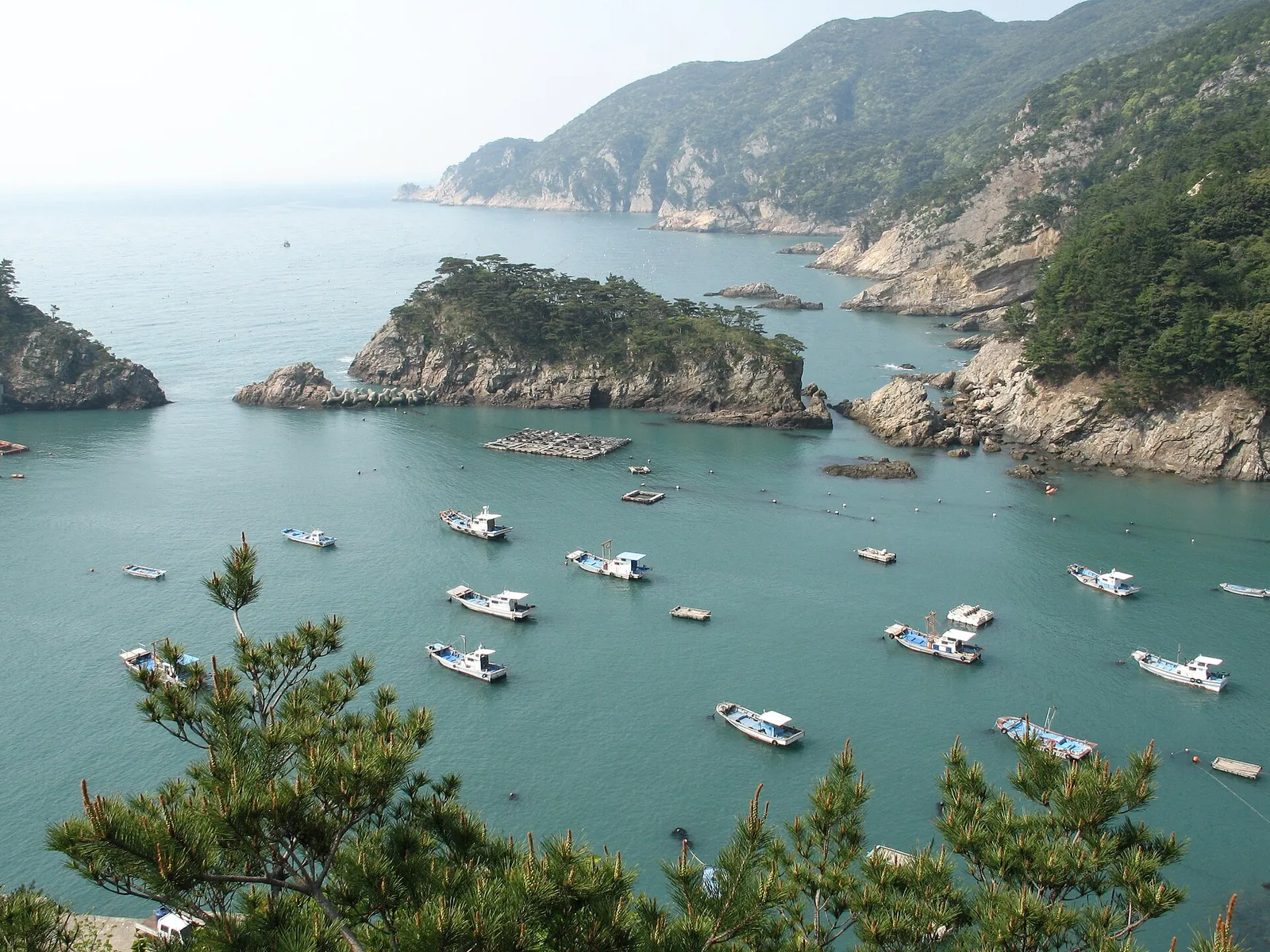
In late May, Dong Guangping launched a 3.3-meter rubber boat with a small outboard engine from Weihai, a port in China's Shandong province, and set out across the Yellow Sea toward South Korea. The engine failed as he neared the coast; a fishing vessel spotted his drifting boat off Taean and South Korean coast guard officers brought him ashore on the evening of May 26, after a voyage of more than 30 hours, CNN reported. It was, by his supporters' count, his fourth attempt to flee China and reunite with relatives already granted asylum in Canada.
A long record of persecution
Dong, born in 1958, was a soldier and then a police inspector before his politics ended that life. He was dismissed from the force in 1999 after signing a petition over the 1989 Tiananmen Square crackdown, and was later imprisoned — around 2001 for "inciting subversion of state power," and again after a 2014 detention tied to a Tiananmen commemoration, The Globe and Mail reported.
His attempts to escape were repeatedly undone by other governments. After fleeing to Thailand, where the UN recognized the family as refugees, his wife and daughter resettled in Canada in 2015 — but Thai authorities detained Dong and returned him to China. He later slipped into Vietnam, hid for more than two years, and was arrested in 2022 and deported again, then jailed for "illegal border crossing," NBC News reported. He was released in late 2023.
South Korea, then Canada
In South Korea, prosecutors initially sought to detain Dong, but a court declined to issue an arrest warrant on May 28, finding little risk he would flee, the Korea Herald reported, and his case passed to immigration authorities. Rights groups and South Korean opposition figures urged the government to let him continue on to Canada on humanitarian grounds.
About a month later, he was permitted to do so. The New York Times reported that Dong has now traveled to Canada to reunite with his wife and daughter, who have lived there for a decade; newsparlor was not able to independently confirm the details of his arrival, which rest on the Times's reporting.
A wider pattern
Dong's odyssey illustrates what human-rights organizations call transnational repression — the reach of a government beyond its borders to pursue critics, sometimes with the cooperation of third countries. His repeated returns from Thailand and Vietnam, both recognized at the time as breaches of the principle against sending refugees back into danger, fit a documented pattern in which states with close ties to Beijing have handed dissidents back. China's Foreign Ministry, asked about his case after he reached South Korea, said it was unaware of the specific situation. For Dong, after prison terms, forced returns and an open-water gamble, the years of pursuit appear, at last, to be over.