An exceptionally early and intense heatwave has settled over much of Western Europe in the days around the 2026 summer solstice, with a sprawling area of high pressure — a so-called "heat dome" — drawing hot air north from the Sahara. The most severe conditions have been concentrated over the Iberian Peninsula and France, where forecasters and city governments have leaned on a mix of modern emergency infrastructure and old domestic tricks to keep residents safe.
How hot, and where
The highest confirmed readings of the event reached the low 40s Celsius, hitting around 42.7C at Pinhão in Portugal's Douro valley and at Andújar in southern Spain on 21 June. Spain's state meteorological agency, AEMET, warned of an "extraordinary risk" to life in the north, while France's Météo-France placed an unusually large number of departments under its top-level red warning — roughly half of mainland France, CNBC reported. Italy issued red alerts for cities including Rome, Florence, Bologna and Turin, and Britain recorded one of its hottest June days on record.
Official cool-down spots
Cities have opened or expanded networks of air-conditioned refuges. Barcelona operates a network of "climate shelters" — libraries, museums, parks and pools — supplemented by smaller premises offering free indoor respite. In Paris and several Spanish cities, municipal authorities have opened cooling centres and kept public buildings open late.
The response has also been disruptive. France's authorities closed or shortened the day at hundreds of schools, and rail operators cancelled trains, citing heat damage to overhead lines and tracks. Paris banned public alcohol consumption during the Fête de la Musique, and Italian cities reported strain on power grids as demand for cooling surged.
Old tricks for new heat
Alongside the official measures, Europeans are reaching for low-tech methods refined over generations. In the Mediterranean, the most visible is whitewash: a mix of water and lime brushed onto walls — and, historically, onto glasshouse roofs and windows — to reflect sunlight rather than absorb it.
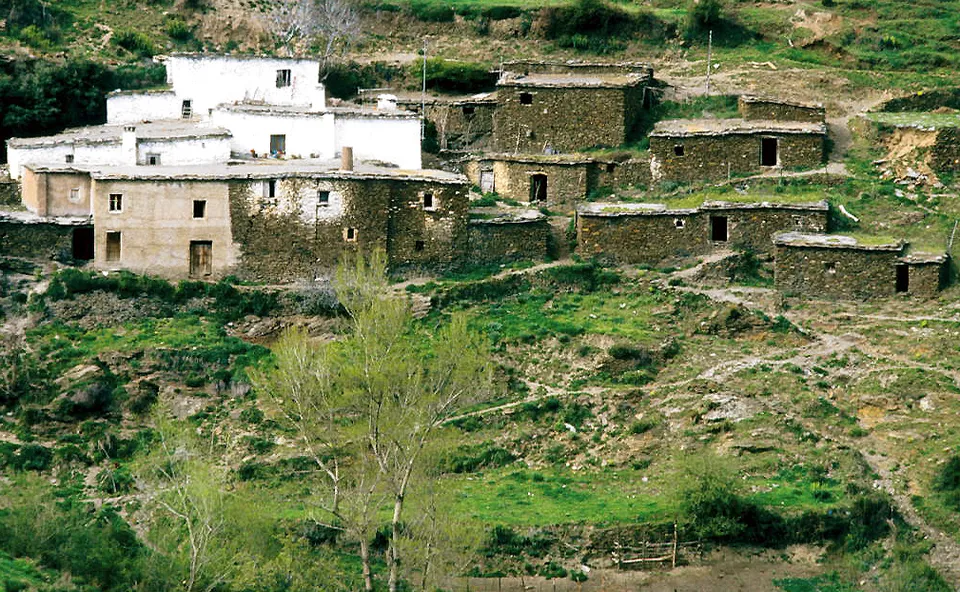
The principle is sound. As researchers note via The Conversation, white and reflective coatings can cut internal temperatures by more than 1C, and in some cases over 4C, and even lower surrounding outdoor temperatures slightly. That reflective logic sits within a broader vernacular toolkit — shutters, small windows and thick walls with high thermal mass — long used across southern Europe and now increasingly studied for cooler climates facing hotter summers.
The public-health context
Heat is among the deadliest weather hazards. Authorities this June have reported heat-related deaths, including at least 11 in France, according to CNBC, and emergency services across France and Iberia were placed on wildfire alert as the heat dried out vegetation.
The World Health Organization's European office urges people to keep cool and hydrated with light clothing and regular water — avoiding sugary, alcoholic or caffeinated drinks — and to avoid strenuous activity during the hottest hours. It advises using night air and shutters to cool homes, noting that perceived temperatures in direct sun can run 10–15C higher than in shade. Crucially, it stresses checking on elderly, isolated and chronically ill neighbours, who are most at risk. Whether the tool is a municipal climate shelter or a bucket of lime wash, the message from health and weather authorities is the same: stay out of the midday sun, keep buildings shaded, and look out for the vulnerable.