A Chinese supercomputer has taken the top position on the closely watched TOP500 ranking of the world's most powerful machines, the first time a system based in China has led the list since 2017.
The machine, called LineShine, debuted at No. 1 on the 67th edition of the TOP500 list, published on June 23, 2026. According to the TOP500 organizers, it recorded 2.198 exaflops — roughly 2.2 quintillion calculations per second — on the High Performance Linpack benchmark used to rank the list, putting it more than 20 percent ahead of the previous leader.
What LineShine is
LineShine is installed at the National Supercomputing Centre in Shenzhen, the TOP500 organizers said. They describe it as the first system on the ranking to pass two exaflops of sustained double-precision performance using only central processing units, rather than the graphics processing units that power most other leading machines.
The system draws on about 13.79 million cores from a custom 304-core processor running at 1.55 gigahertz, according to TOP500 data. Reporting by Engadget noted that the CPU-only design lets the machine sidestep US export controls that restrict China's access to advanced GPUs. Some details about the chip's manufacturer and underlying technology were not disclosed, Engadget reported.
The system it displaced
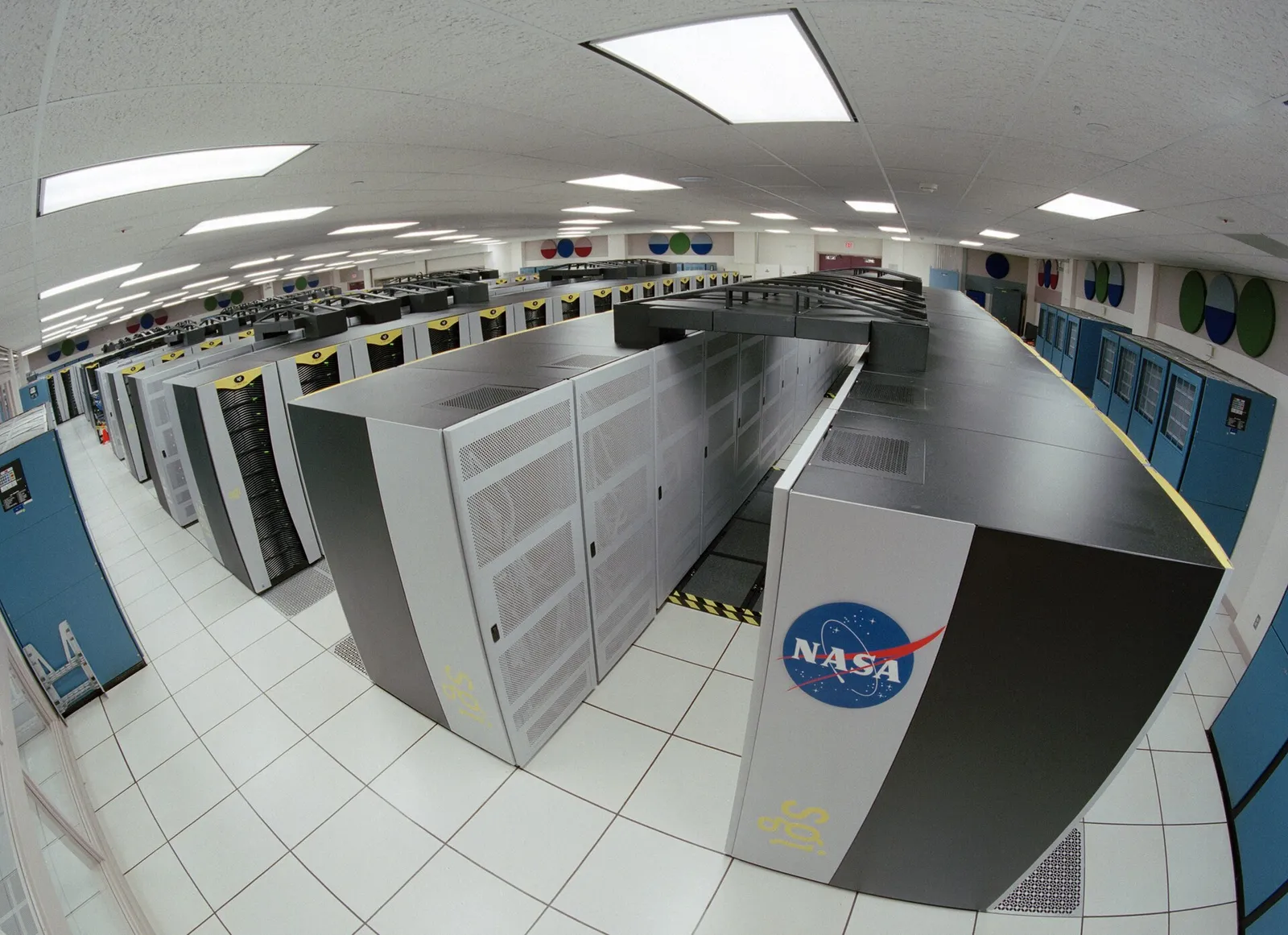
LineShine pushed El Capitan into second place. El Capitan is operated by Lawrence Livermore National Laboratory in California and is used in the US nuclear-weapons program. It registered 1.809 exaflops on the same benchmark, according to TOP500 figures, leaving it roughly 0.39 exaflops behind the new leader. El Capitan had held the top spot since 2024.
A nine-year gap
China last led the ranking in 2017 with Sunway TaihuLight, a system that measured a small fraction of LineShine's performance — a marker of how quickly the field has advanced. In the years since, Chinese institutions sharply reduced the number of systems they submitted to the list, and the top positions were occupied by US machines such as Frontier, Aurora and El Capitan.
Jack Dongarra, a longtime TOP500 organizer, framed the result around the architectural choice that set LineShine apart. "They upped us by developing a system that is not reliant on GPUs," he said, as quoted by Engadget.
A lead, but not on every measure
Topping the Linpack benchmark does not mean leading on every type of computing, and the result carries an important caveat for the artificial-intelligence race. On the HPL-MxP benchmark, which uses mixed-precision math closer to AI training workloads, LineShine ranked fourth at 7.92 exaflops, while El Capitan led that measure at 16.7 exaflops, according to TOP500 data. LineShine did, however, take first place on the data-intensive HPCG benchmark.
The split underscores a recurring theme in US-China computing competition: a single No. 1 ranking captures one slice of performance rather than overall capability. For now, the result gives China a symbolic victory in a contest both governments treat as strategically significant, while the underlying picture remains mixed across the workloads that increasingly define the industry.