
Tensions between Asia's two largest economies have sharpened, with China leaning on Japan through both military activity and trade — a dual pressure campaign that Tokyo and Beijing describe in starkly different terms.
Pressure at sea
Chinese coast guard ships have maintained an intense presence around the Senkaku/Diaoyu Islands, a cluster of uninhabited outcrops in the East China Sea that Japan administers and both countries claim. Chinese vessels operated near the islands on a record number of days in 2025, according to Japanese figures cited in regional reporting, alongside naval and air exercises in nearby waters and airspace. Beijing says the patrols are "legitimate and lawful" steps to defend its sovereignty; Tokyo calls them intrusions into territory it controls.
Pressure on trade
On the economic side, China has tightened export controls on rare-earth elements and other "dual-use" materials — including magnets and minerals such as gallium and germanium — that it says could aid Japan's military. The measures matter because Japan depends on China for the large majority of its rare earths, by various estimates between 60 and 80 percent, as the Washington Post reported. Shipments of several critical elements have reportedly slowed or stopped, and Chinese authorities have detained Japanese nationals over alleged breaches of the export rules — adding a new risk for Japanese firms operating in China.
The Taiwan trigger
The current downturn traces to comments in November by Japan's prime minister, Sanae Takaichi, who suggested that a Chinese attack on Taiwan could amount to an "existential threat" to Japan and justify a military response. Beijing reacted furiously: a Chinese defense ministry spokesperson warned that Japan would "suffer a crushing defeat" if it intervened in a conflict over Taiwan, and China advised its citizens against traveling to Japan. Taiwan, which Beijing claims as its own territory, is central to Chinese strategy, and Japan's evolving security posture has made the dispute harder to contain.
Tokyo's response
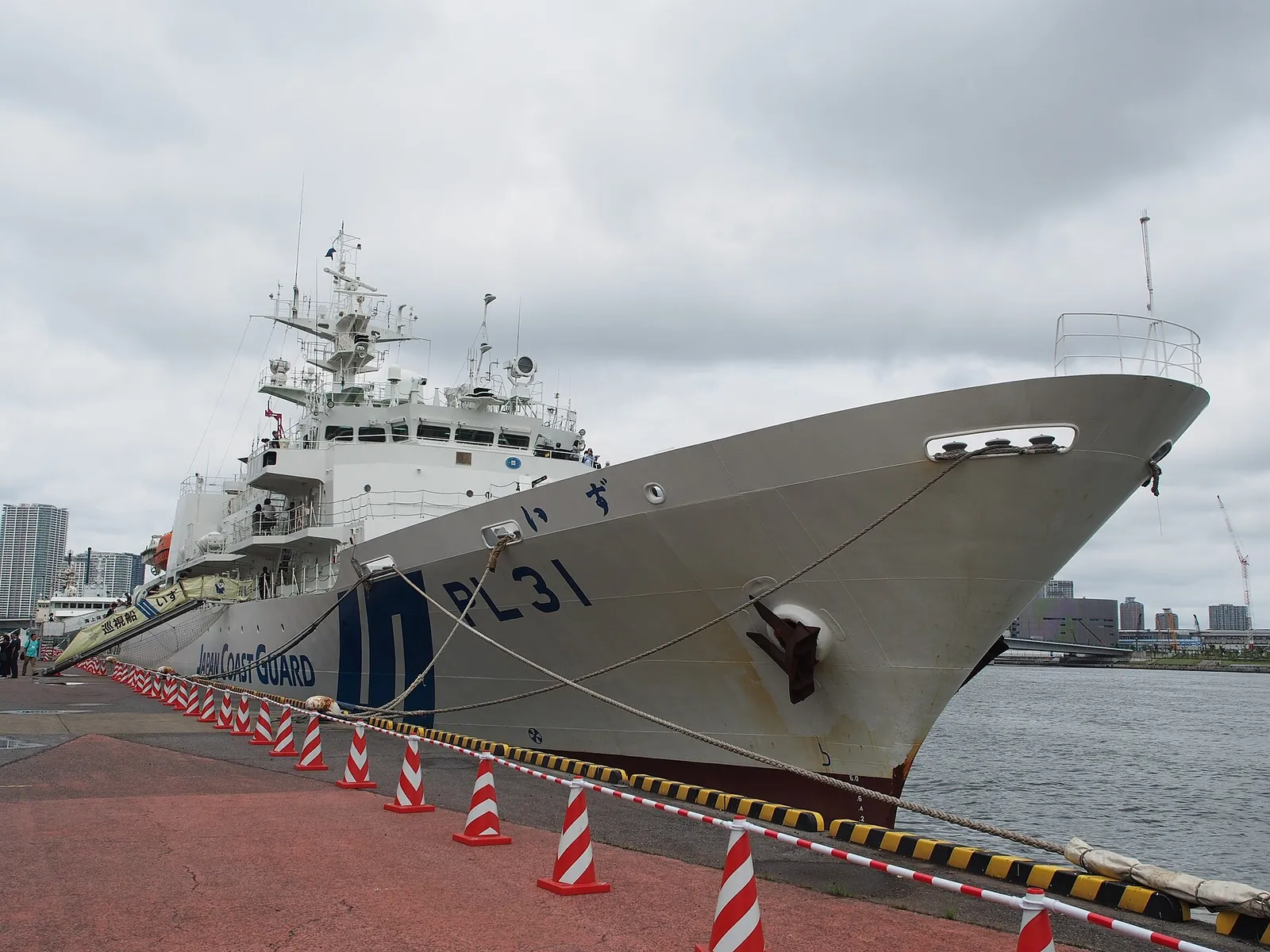
Japan has lodged diplomatic protests and is moving to strengthen its position. It has sought to expand and modernize its coast guard, and is working to diversify its sources of rare earths — including tests of deep-sea mining — to reduce its reliance on China. Officials in Tokyo frame the steps as defensive responses to coercion; Beijing casts Japan's security moves as provocations.
A hard standoff
Analysts caution that frictions between China and Japan — freighted with historical grievances and nationalist feeling on both sides — can escalate more readily, and prove harder to defuse, than the better-known rivalry between China and the United States. With Washington bound to Tokyo by a security treaty, the dispute carries implications well beyond the two countries, for the stability of East Asia as a whole.