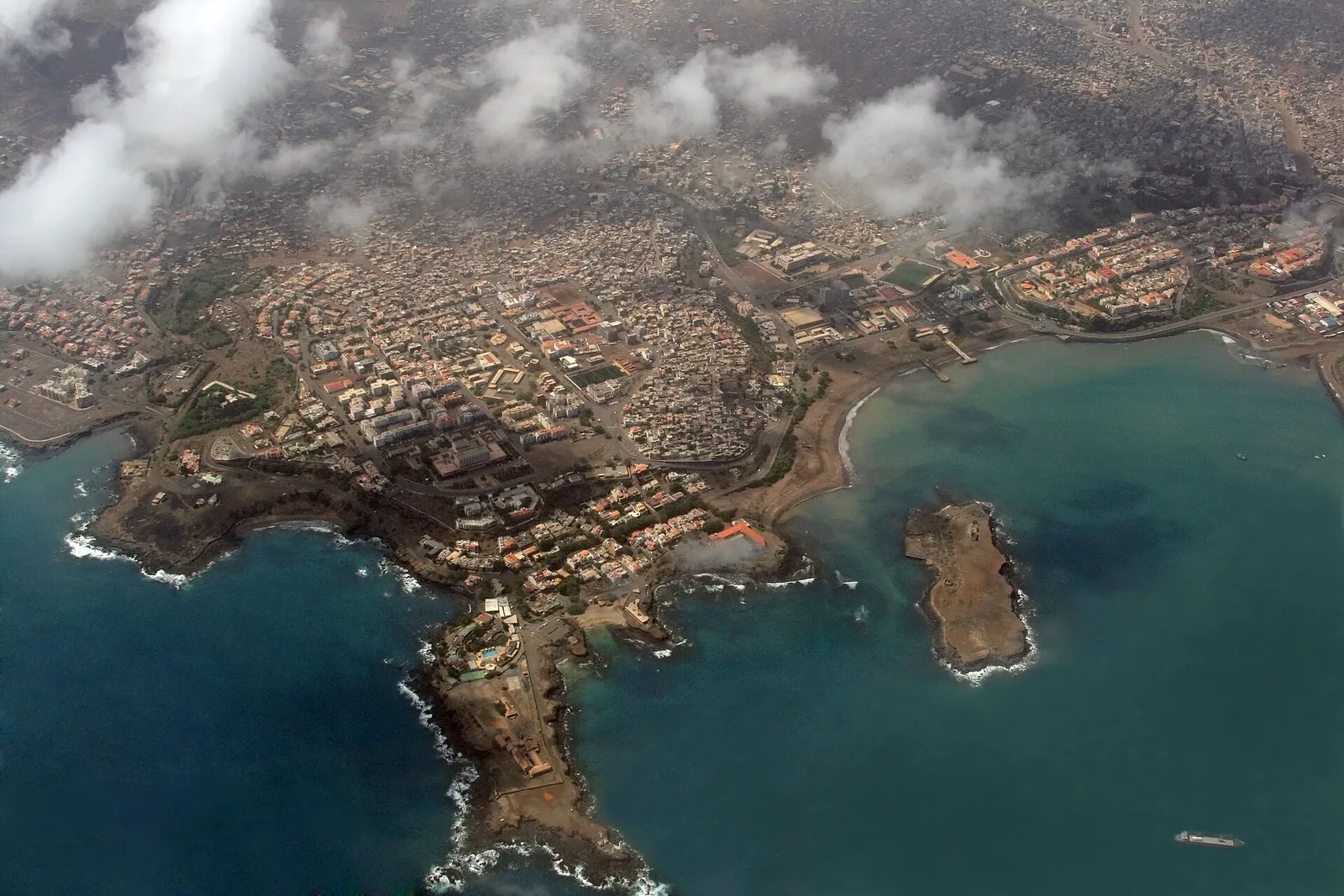
Cape Verde have made history at the 2026 World Cup, becoming the smallest nation by population ever to reach the knockout stage of the tournament. A 0-0 draw with Saudi Arabia in Houston on June 26 secured second place in Group H and a place in the last 32, ESPN reported.
A point was all they needed
Playing in their first-ever World Cup, the islanders did not win a single group match — and did not need to. They opened with a goalless draw against Spain, one of the pre-tournament favorites, drew 2-2 with Uruguay, and closed with another clean sheet against Saudi Arabia. Three draws gave them three points and, crucially, second place behind Spain, who topped the group.
Cape Verde are the first team since Chile in 1998 to come through a World Cup group without a victory, according to records of the group stage. They were also the only debutant to reach this year's last 32.
The smallest of them all
What makes the achievement singular is the country's size. Cape Verde, an archipelago of ten islands off the west coast of Africa, has a population of roughly 525,000 — smaller than several US states. Other small nations have reached the World Cup finals before, including Iceland in 2018, but each was eliminated in the group stage. Cape Verde are the smallest, by population, to go further, ESPN noted.
The result is the high point of a football project built patiently over more than a decade. Like several African and European sides, Cape Verde have drawn heavily on their large diaspora, calling up players raised and trained in Portugal, France, the Netherlands and beyond who qualify through Cape Verdean heritage. The team has reached the Africa Cup of Nations repeatedly in recent years, twice making the quarterfinals, but a World Cup knockout berth is without precedent.
Argentina await
The reward is daunting: a Round of 32 meeting with the defending world champions, Argentina, scheduled for July 3 in the Miami area. Lionel Messi's side will start as heavy favorites against opponents ranked far below them.
Cape Verde, though, have already shown that the odds mean little to them. For a nation of half a million people scattered across volcanic islands in the Atlantic, simply reaching this stage is a landmark — and, win or lose against Argentina, one that will not soon be forgotten at home.