Bruno Bischofberger, one of the most influential art dealers of the late twentieth century, who used a Zurich gallery to carry the most vital currents of American art to Europe, died on May 9, 2026, at the age of 86, ARTnews and other art-world outlets reported.
From Appenzell to the avant-garde
Born on January 1, 1940, in Appenzell, Switzerland, Bischofberger studied art history, archaeology and ethnography — a scholarly grounding that informed a career-long curiosity about objects and their meaning. In 1963, still in his early twenties, he opened a gallery in Zurich, and two years later mounted one of Europe's first exhibitions devoted to Pop Art, showing Andy Warhol alongside Roy Lichtenstein, Robert Rauschenberg, Claes Oldenburg and Jasper Johns, according to his biography.
The Warhol partnership
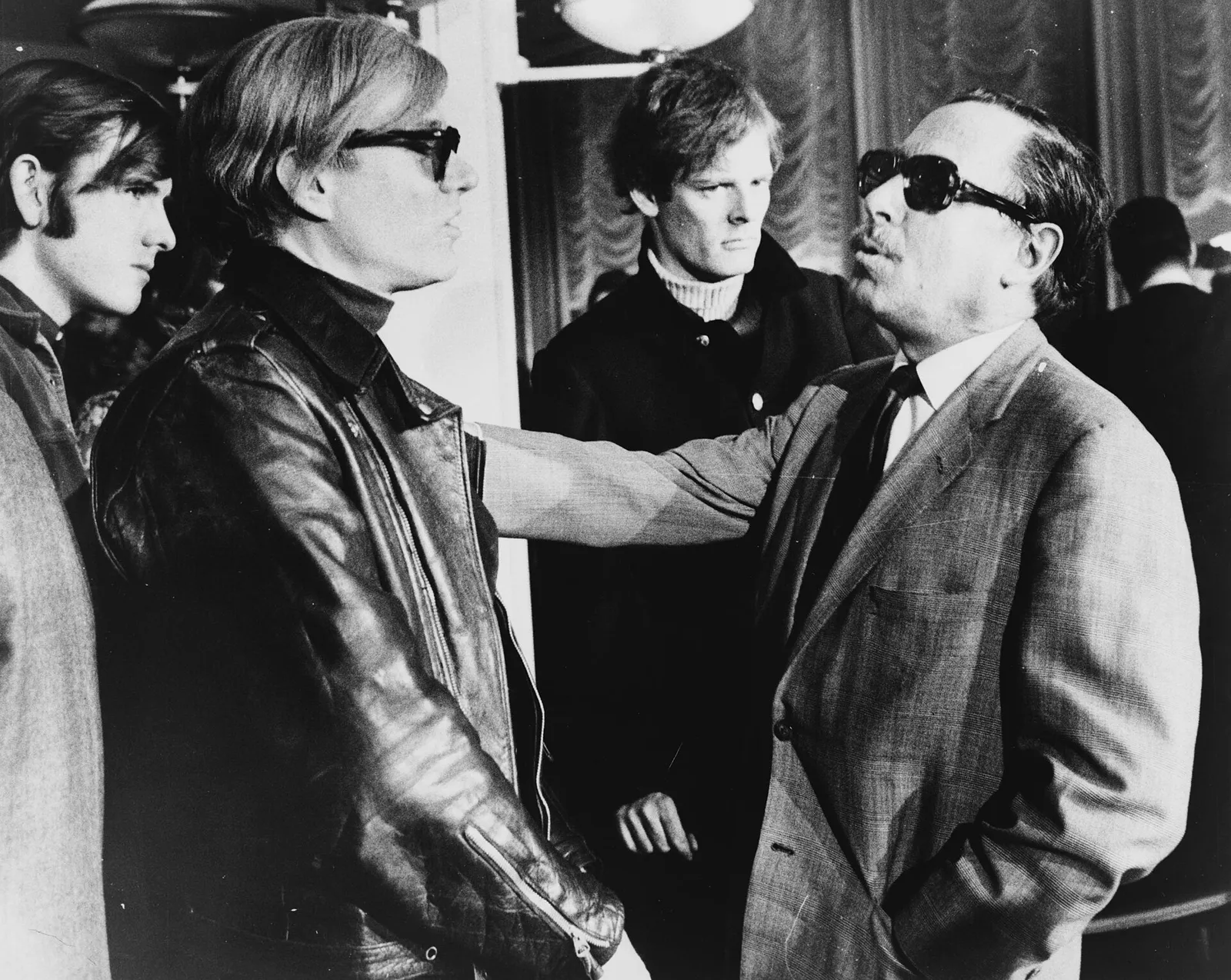
His relationship with Warhol became one of the most consequential in postwar art. The two met in New York in the 1960s, and Warhol granted Bischofberger a right of first refusal on his work — an arrangement that lasted until the artist's death in 1987. The partnership ran deeper than dealing: in 1969 Bischofberger co-founded Interview magazine with Warhol, and he helped systematize the pricing of Warhol's commissioned portraits, opening the artist to a new class of European patrons.
Backing Basquiat
If Warhol made his reputation, Bischofberger's early faith in Jean-Michel Basquiat secured his legacy. He encountered Basquiat's work in 1981 and from 1982 became the young artist's principal dealer worldwide, a role he held until Basquiat's death in 1988 at the age of 27.
He was also the catalyst for one of the era's defining collaborations. Struck after Basquiat sketched alongside his young daughter during a visit to Switzerland, Bischofberger proposed that Basquiat, Warhol and the Italian painter Francesco Clemente work together on a series of canvases. The project, exhibited in the mid-1980s, also had a notable side effect: it drew Warhol back to painting after years focused on print and film.
A wide and idiosyncratic eye
Through the 1970s and 1980s, Bischofberger commissioned and showed work by Minimalist and Conceptual artists — among them Sol LeWitt, Dan Flavin and Donald Judd — and represented Neo-Expressionists including Julian Schnabel, David Salle and George Condo. He was also a voracious collector well beyond contemporary art, gathering Swiss folk art, prehistoric objects and modernist furniture. For years his advertisements on the back cover of Artforum showed not his artists' work but scenes of traditional Swiss rural life — a wry signature instantly recognizable to the art world. In 2013 he moved his gallery to a converted factory complex in Männedorf, outside Zurich.
Legacy
Bischofberger's mark on the art market was structural as much as personal: by giving Warhol a dependable European platform and by betting on Basquiat before his market had formed, he helped decide which artists and movements would endure. He was portrayed by Dennis Hopper in Julian Schnabel's 1996 film "Basquiat" — a sign of how thoroughly he had become part of the mythology of an age he helped shape. He is survived by his wife and children.