
For decades they were told to forget: young unmarried women who, pregnant and unsupported, were pressed by hospitals, churches and welfare officials into surrendering their newborn babies for adoption. On Thursday, the British state formally said sorry — a long-sought acknowledgment that the shame belonged not to the mothers but to the institutions that failed them.
Britain's apology
Prime Minister Sir Keir Starmer delivered the apology, calling the practice "a stain on our history" and recognizing the suffering of women whose children were taken in the decades after the war, as reported by Yahoo News UK. An estimated 185,000 babies born to unmarried mothers were adopted in England and Wales between 1949 and 1976, many after mothers were, in the words of a parliamentary human-rights committee, coerced, bullied or misled into giving them up.
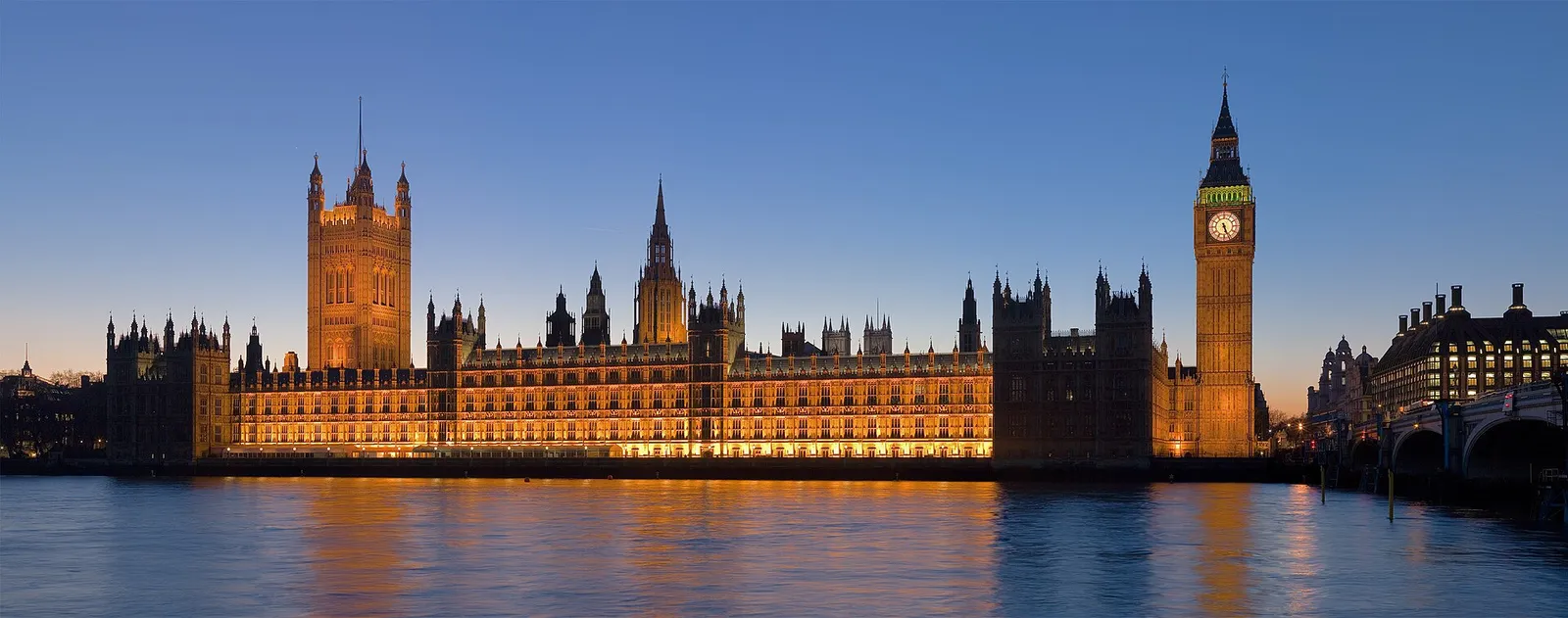
The apology came after Sir Keir met campaigners and survivors, some of whom have spent years pressing for official recognition. It followed earlier apologies from the devolved governments in Wales and Scotland, and completes a formal acknowledgment across Britain that had been notably absent at the national level in Westminster. Sir Keir announced last month that he would step down as Labour leader, triggering a contest to succeed him, but remains prime minister in the meantime.
Campaigners have welcomed the words while stressing that recognition must be matched by practical help — access to adoption records, counseling and support for mothers and now-adult children seeking to trace one another. The question of financial redress remains a live and contested one.
The Netherlands prepares to follow
A parallel reckoning is under way in the Netherlands. The Dutch cabinet has said it will formally apologize for its role in forced adoptions, in a parliamentary letter signed by the state secretary for justice and security, Claudia van Bruggen, NL Times reported. The move responds to an official commission's findings on the practice, which affected thousands of women who gave up children under pressure, mainly between the 1950s and the 1980s.
The cabinet said the events "never should have happened and caused significant suffering," acknowledging that there had been insufficient regard for the vulnerable position of the mothers and children involved. Ministers indicated the apology would be delivered at a gathering with those affected.
Institutions and their silence
Both countries' histories implicate religious and charitable institutions as well as the state, and their responses have been uneven. In the Netherlands, an umbrella body representing around 30 church denominations acknowledged the suffering of the mothers but declined to issue its own apology, according to NL Times. For some survivors, that partial accountability underscores how far institutional recognition still lags behind the governments now stepping forward.
A wider pattern
Britain and the Netherlands are not the first to confront this past. Countries including Ireland and Australia have issued apologies in recent years for coercive adoption practices rooted in an era when unmarried motherhood was widely treated as a moral failing to be hidden away.
For the women at the center of these stories, many now in old age, the apologies arrive late — decades after the loss they were told to bear in silence. What they establish is a matter of record: that the coercion happened, that it caused lasting harm, and that responsibility lay with the institutions, not the mothers. Whether that recognition is followed by meaningful redress is the test many survivors say still lies ahead.