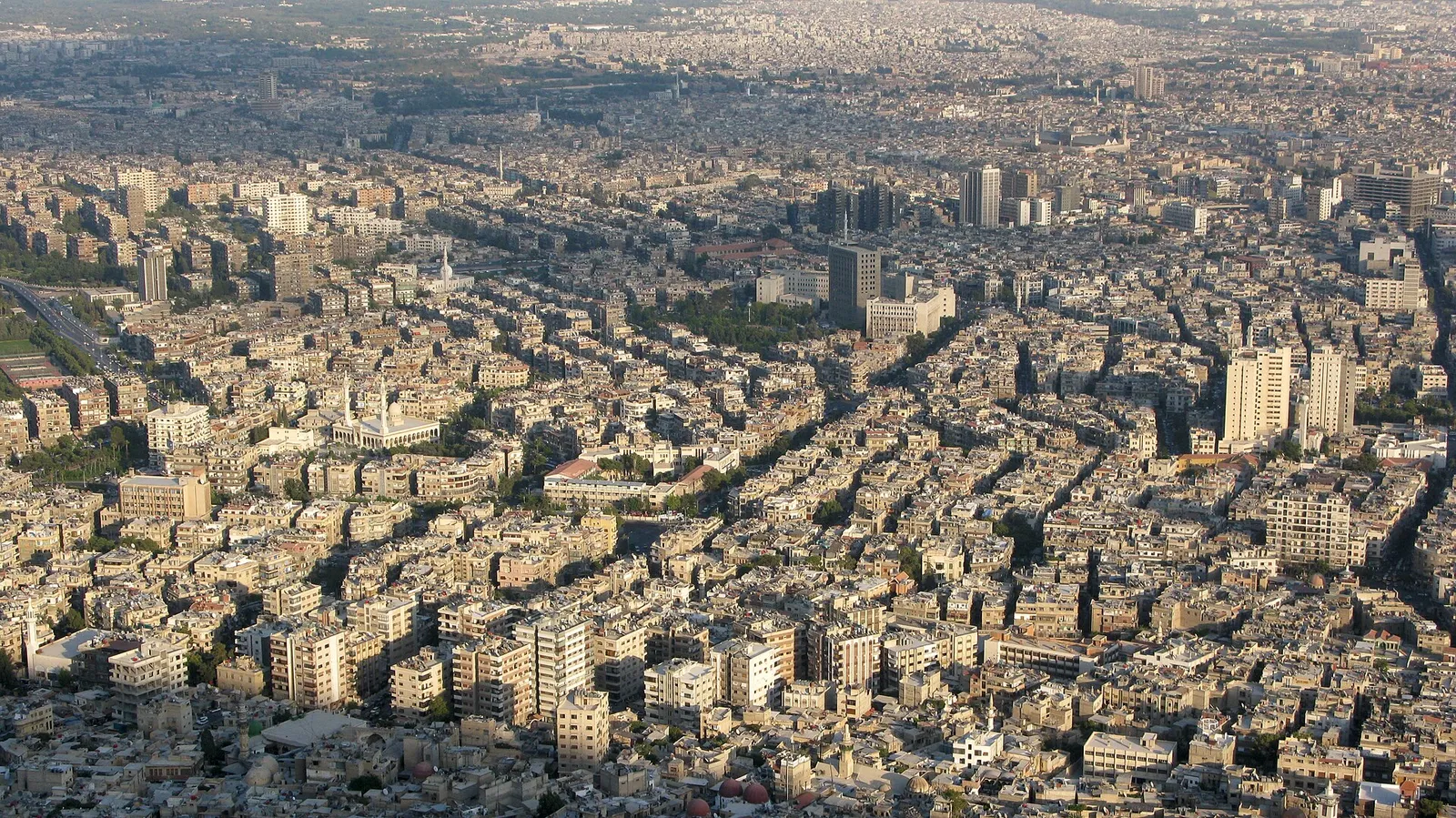
A bomb exploded inside a busy cafe in central Damascus on Thursday, killing at least six people and wounding more than 20, Syrian authorities said — the latest in a string of attacks that have punctured the fragile calm since the fall of Bashar al-Assad.
What happened
The blast struck in the mid-afternoon, at around 3:24 p.m. local time, on al-Nasser Street in the al-Marjah district of the capital, close to the Palace of Justice, Al Jazeera reported. The area is a busy one, with markets and the courts nearby. Syrian state television said the explosion was caused by an explosive device, and footage from the scene showed a badly damaged cafe.
Syria's Health Ministry put the toll at at least six people killed and 22 wounded, figures that authorities cautioned were preliminary, according to the Associated Press. Emergency teams took the injured to nearby hospitals, and security forces sealed off the site to investigate.
No claim of responsibility
No group immediately said it had carried out the attack, and officials had not publicly named a suspect. An investigation was under way, with authorities reported to be examining surveillance footage from the area.
Damascus's governor, Maher Marwan, framed the bombing as an attempt to derail the country's recovery. "The more Syria attains stability, the more there are those who want to damage it," he said, as quoted by Al Jazeera.
A country still on edge
The attack lands at a delicate moment. Since Assad was overthrown in December 2024, Syria has been governed by a transitional administration led by Ahmad al-Sharaa, which has been trying to consolidate control and steer the country toward a new political order. That effort has been repeatedly tested by violence: recent months have seen sporadic bombings and attacks attributed to a range of actors, from remnants of the former government to extremist groups.
The bombing came a day after steps toward forming Syria's first parliament since Assad's fall — a reminder of how the work of rebuilding the state is proceeding against a backdrop of persistent insecurity. For ordinary Damascenes, the blast in a cafe in the heart of the city was a jolt of exactly the kind of everyday danger the new authorities have promised to bring under control.
What comes next
With no claim of responsibility and the investigation only beginning, the motive and perpetrators remain unknown, and the casualty figures may yet change as the picture becomes clearer. What is already evident is the challenge the attack represents: each such incident chips at public confidence in a government whose central promise is stability, and whose ability to deliver it — in the capital above all — is being closely watched, at home and abroad.