A long-planned overhaul of Europe's borders is colliding with the busiest travel season of the year. Ryanair, Europe's largest budget airline, is leading calls for governments to suspend or scale back the European Union's new biometric border system over the summer, arguing that it is generating long queues and disruption for travelers — while Brussels insists the checks are a necessary upgrade.
What the system does
The border scheme, known as the Entry/Exit System, or EES, records non-EU nationals as they enter and leave the Schengen area. It replaces the old routine of stamping passports with a digital record that captures travelers' fingerprints and facial images. The European Commission says the system is designed to log entries and exits, catch people who overstay the 90-day limit, detect fraudulent documents and flag individuals who may pose a security risk.
After a phased introduction, the system became fully operational earlier this year. It applies to non-EU visitors on short stays — a group that now includes British nationals, who lost automatic EU entry rights after Brexit, as well as travelers from countries such as the United States. EU and Schengen citizens are not required to register.
Why it slows things down
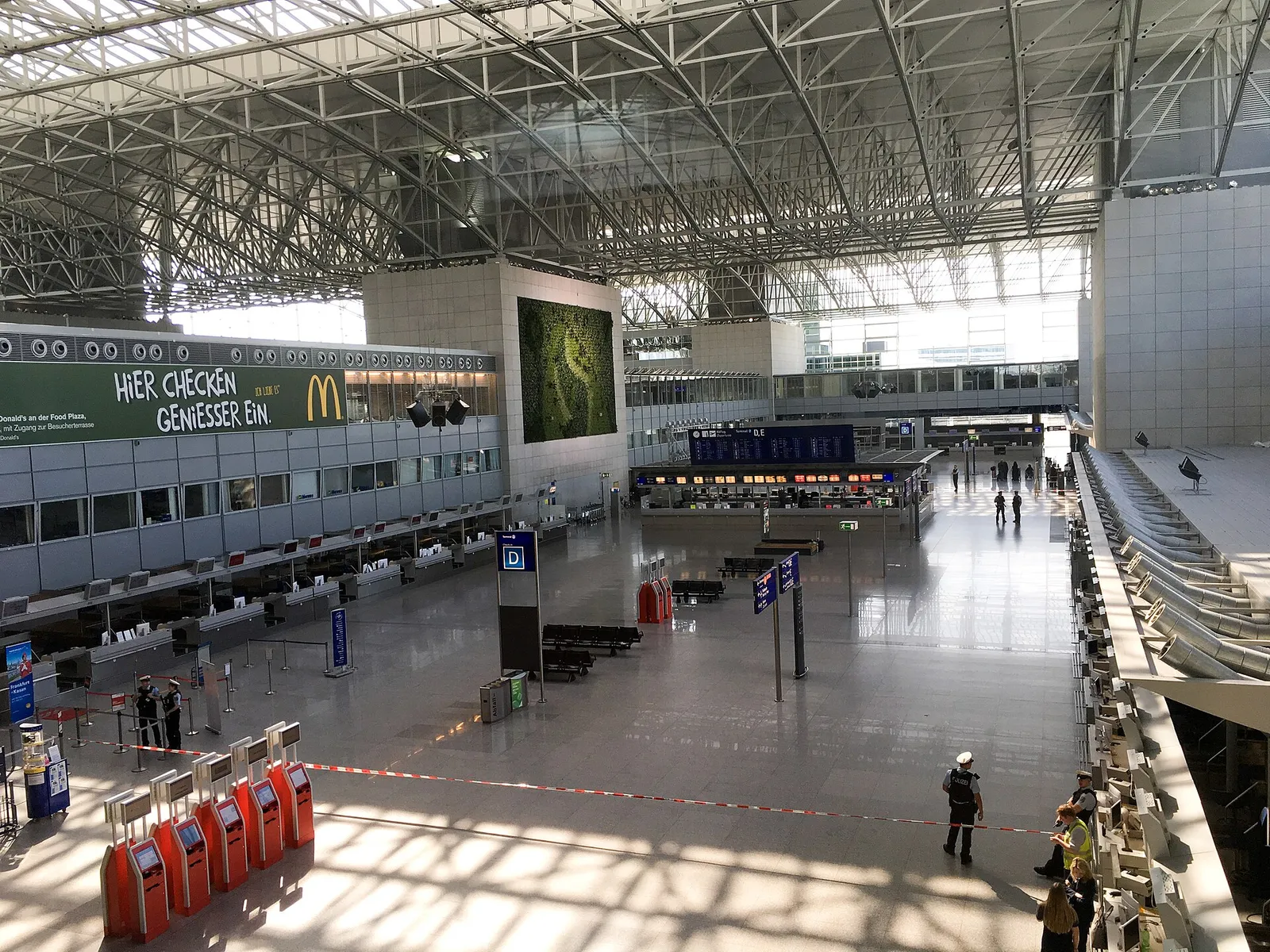
The friction comes mainly at first registration. Capturing fingerprints and a facial image takes longer than a quick passport stamp, and where airports have too few biometric kiosks or too little staff, the extra seconds per traveler add up to long lines at peak times.
The effect has been felt across major hubs. Industry bodies have reported border waits stretching to several hours during busy periods: the airline association IATA has warned that queues could reach up to six hours at the busiest gateways over the summer, while the airports group ACI Europe has said delays of around three and a half hours have already been recorded at peak, according to industry reporting. Congestion has been noted at large airports including Amsterdam, Paris, Madrid and Rome.
The airlines' case — and the EU's
Ryanair has been the loudest critic, but it is not alone: carriers including British Airways, Lufthansa, Air France and easyJet have backed industry calls for authorities to be able to suspend the checks quickly when passenger numbers overwhelm capacity. Short-haul airlines argue they are especially exposed, because border delays ripple into aircraft turnaround times and knock schedules off course.
The European Commission's position is that the EES is a long-overdue modernization that will strengthen security and make it easier to track overstays, and that digital records reduce the errors of manual stamping. The system was built with some flexibility: national authorities can temporarily fall back to older procedures when queues become unmanageable, a provision some governments have leaned on during the initial rollout.
Two goals in tension
The dispute is, at heart, a clash between two reasonable aims: tighter, more reliable border control on one side, and the smooth movement of large numbers of travelers on the other. Both sides largely accept the other's premise — few dispute that borders should be secure, or that hours-long queues are bad for passengers and airlines alike. The argument is over timing and capacity: whether Europe's airports were ready to absorb the new checks at the height of summer.
For travelers, and particularly for non-EU visitors including Britons, the practical advice for now is unglamorous but familiar: at busy airports, allow extra time at the border while the new system beds in.