A Democratic congressional primary in Manhattan has become one of the most expensive of its kind, after super PACs aligned with the artificial intelligence industry and with its critics poured tens of millions of dollars into a single race, according to multiple news organizations tracking the spending.
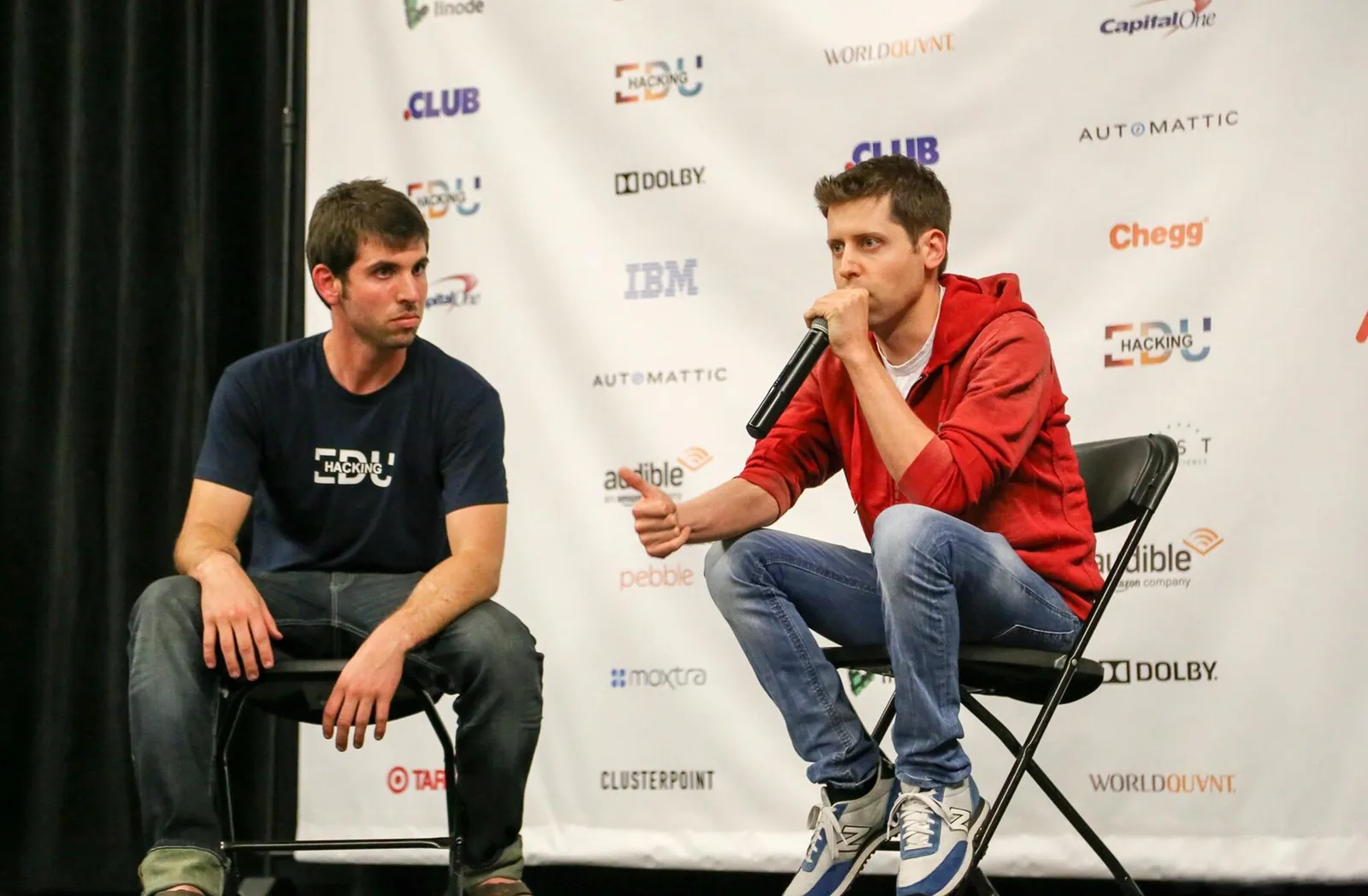
The contest in New York's 12th Congressional District drew national attention because of one candidate: state Assemblymember Alex Bores, the chief sponsor of New York's RAISE Act, a measure supporters describe as among the strongest AI-safety laws in the United States. AI companies and investors, working through a super PAC called Leading the Future, sought to defeat him, while groups favoring AI regulation spent heavily to defend him.
The spending
Reported figures vary by source and by date as filings were updated. CNBC reported that AI-aligned groups poured more than $20 million into the race. By the tallies it cited, Leading the Future, the industry-backed super PAC, spent roughly $8 million opposing Bores, while several PACs aligned with AI-safety advocates spent more than $20 million supporting him — a combined total in the range of $27 million.
Among the pro-Bores spenders, CNBC cited the PAC Jobs and Democracy at more than $15 million, You Can Push Back at more than $3.3 million, and Dream NYC at more than $2.3 million. A newly formed super PAC backing Bores, the Guardrails Alliance, launched with an initial ad buy. newsparlor could not independently verify a single consolidated $27 million figure; the number reflects the sum of competing spending tallies reported across outlets.
Who is behind Leading the Future
Leading the Future was launched in 2025 with more than $100 million in committed backing, according to TechCrunch. Its reported funders include the venture capital firm Andreessen Horowitz (a16z), OpenAI President Greg Brockman, Palantir co-founder Joe Lonsdale and the AI search company Perplexity.
The PAC's organizers framed their goal in blunt terms, announcing an effort opposing legislators they view as hostile to the industry and criticizing what they called "ideological" rules they say would "handcuff" AI innovation.
The RAISE Act and the candidate
Bores, who represents parts of Manhattan in the state Assembly, sponsored the RAISE Act, which according to TechCrunch would require large AI labs to maintain safety plans, follow their own safety protocols and disclose serious safety incidents, with civil penalties for non-compliance.
Bores, a former Palantir employee, has rejected the idea that safety rules harm the sector. "Having basic rules of the road, literal or metaphorical, is actually a very pro-innovation stance if done well," he told TechCrunch. Responding to the spending against him, he said he forwards the industry's attacks to his constituents.
The wider fight
The race set Bores against fellow Assemblymember Micah Lasher and Jack Schlossberg, a grandson of President John F. Kennedy, CNBC reported. AI-safety groups cast the industry money as an attempt to buy influence, with one allied advertisement alleging that "AI oligarchs" were "spending millions to buy this congressional seat." Industry-aligned organizers, for their part, say they are defending innovation against rules they regard as premature and overly broad.
Whatever the outcome, the episode has been widely read as a marker of the AI industry's growing willingness to spend on down-ballot races — and of an emerging, well-funded countermovement determined to push back.