Xreal, one of the better-known makers of augmented-reality glasses, has introduced a cheaper model, the a01, priced at $299, in a bid to widen the appeal of a category that has so far mostly attracted enthusiasts. The new glasses are lighter and simpler than the company's pricier models, and the pitch is straightforward: a bright, wearable screen you can put on a plane or a train, at a price closer to a gadget than an investment, Engadget reported.
What the a01 is
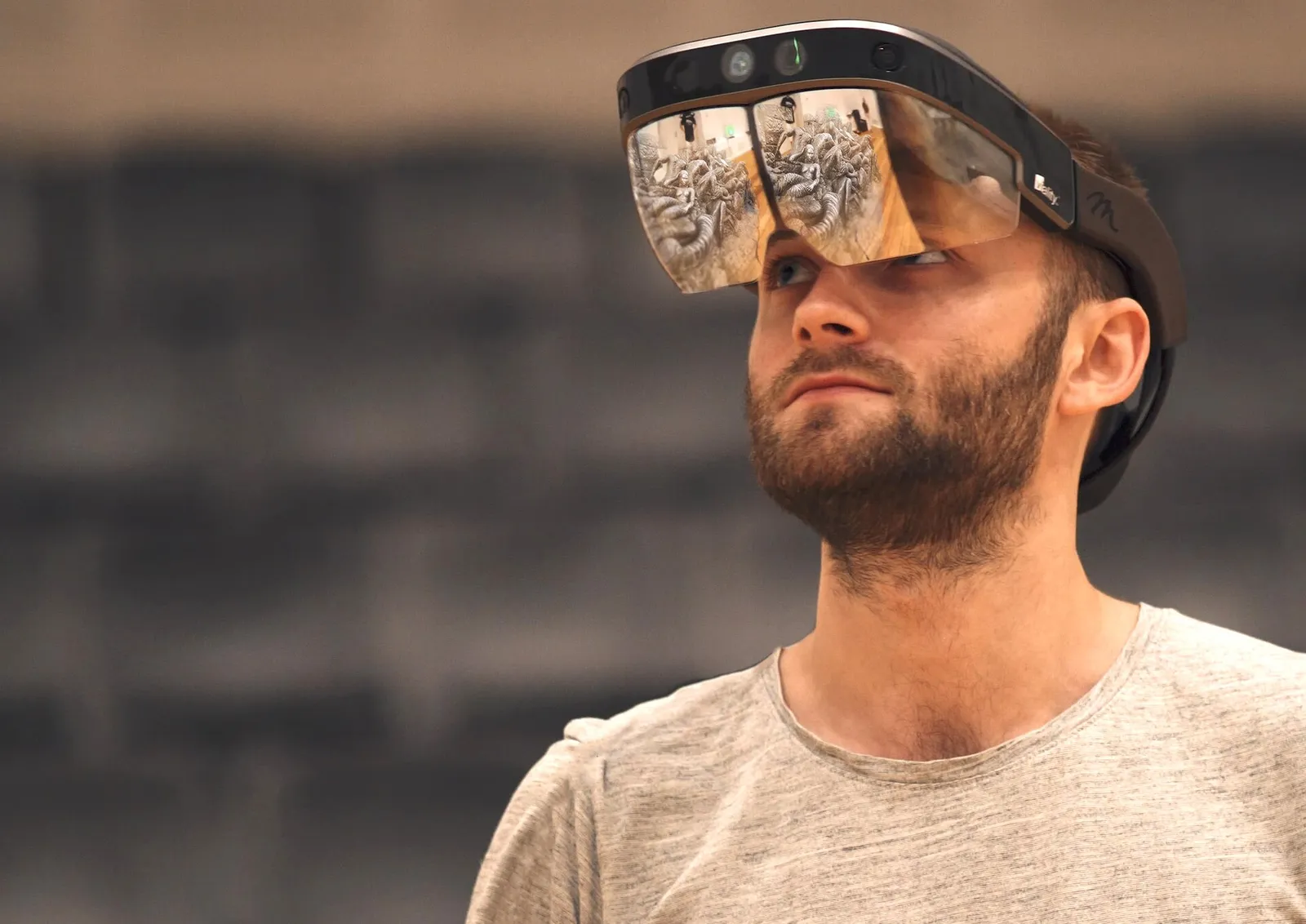
Like Xreal's other glasses, the a01 is essentially a wearable display rather than a self-contained computer. It has no onboard processor of its own; instead it plugs into a phone, laptop, games handheld or other USB-C device and projects that device's screen in front of your eyes as a large virtual display. At about 62 grams it is noticeably lighter than the company's earlier 1S model, and it keeps a bright micro-OLED picture, which is the part of the experience Xreal has been most reluctant to compromise, 9to5Google reported.
What you give up
The lower price comes with trade-offs. The most notable is a narrower field of view, at around 50 degrees, than on Xreal's more expensive glasses, which makes the virtual screen feel a little smaller and more boxed-in. The a01 also drops the cameras and extra sensors found on higher-end, more ambitious "mixed-reality" devices, which limits what it can do but also keeps it light and simple. For someone who mainly wants a big private screen for video or work on the move, reviewers suggest, those omissions matter less than they might sound.
Where it fits
Xreal is positioning the a01 as the affordable entry point in a lineup that still includes pricier models with wider displays and more features. The launch also lands in a busy moment for face-worn gadgets: Meta and others have been pushing "smart glasses" that lean on cameras, audio and AI assistants rather than on a display, which makes for an increasingly crowded and confusing category. Xreal's bet is different, and specific: that the thing people will actually pay for is a good screen they can wear, and that dropping the price is the way to find out how many of them there are.
The bigger question
The a01 will not settle whether augmented-reality glasses are destined for the mainstream, but it is a clear test of one theory of how they might get there, not through ever-more-capable, expensive devices, but through cheaper, simpler ones that do a single job well. At $299, the barrier to trying the idea is lower than it has been. Whether that turns curiosity into a habit, and a niche into a market, is the question the coming year will begin to answer.