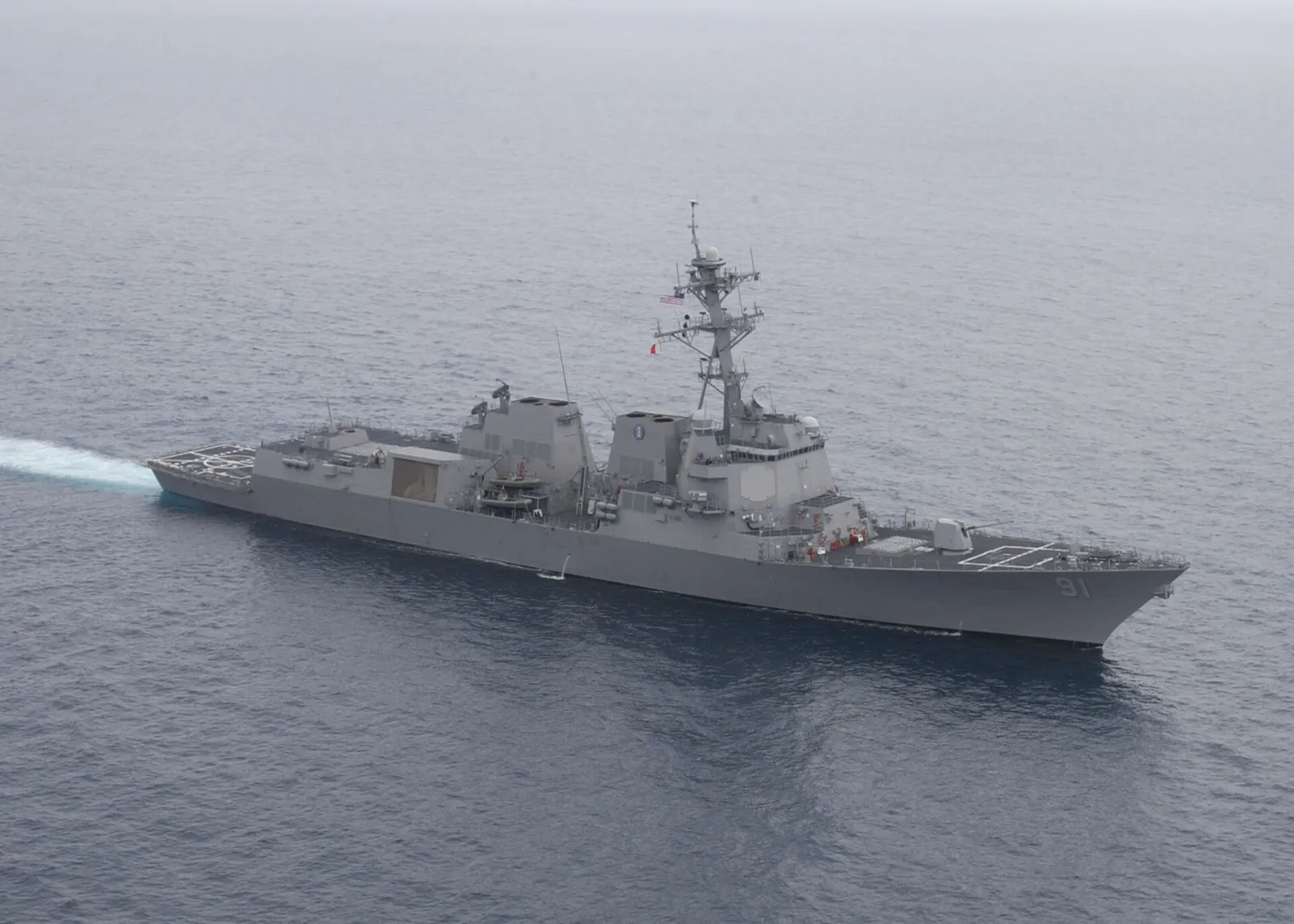
The US military says it struck a vessel in the eastern Pacific on Sunday, killing two people it describes as narco-traffickers, Al Jazeera reports.
Southern Command said "confirmed intelligence revealed the vessel's active involvement in narco-trafficking" and called the strike "a clear and decisive reminder that SOUTHCOM is taking the fight directly to the cartels". General Francis L. Donovan, who directed the operation, said: "we will not permit narco-terrorists to operate with impunity in the Western Hemisphere", describing the action as showing "lethal precision, overwhelming capability, and absolute resolve".
The announcement was accompanied by grainy black-and-white video of a boat before a large explosion.
What the evidence establishes, and what it does not
The footage shows a vessel being destroyed. It does not show what was aboard, who was aboard, or on what basis they were identified.
That gap is the heart of the dispute. The military's claim rests on intelligence it has not published; the video documents the strike rather than its justification. We can report with confidence that a boat was hit and that two people were killed, because the US military says so. Whether those two people were smuggling drugs is an assertion by one party, and we are not in a position to verify it.
The campaign, and the objection to it
The strike is part of Operation Southern Spear, which the US military launched in early September, with President Donald Trump arguing that Washington is effectively at war with Latin American drug cartels. Since then more than 200 people have been killed in strikes across the eastern Pacific and the Caribbean, according to a tally by the AFP news agency.
Legal experts and rights groups warn that the attacks could amount to extrajudicial killings. The objection is specific rather than general: drug smuggling is a crime, and crimes are normally answered by interdiction, arrest and trial. Using lethal military force against suspects, without a court, requires a legal theory that the people killed were combatants in an armed conflict. That is the theory "at war with the cartels" is doing the work of establishing, and it is what the critics dispute.
The administration has not provided definitive evidence that the vessels struck were involved in drug trafficking.
The review that stops short
The Pentagon's inspector general said in May that it would review whether the military followed standard targeting procedures. The evaluation will not examine the legal authority behind the strikes.
Those are two different questions, and the one excluded is the one being argued about. Whether procedures were followed asks if the rules were applied correctly. Whether the strikes are lawful asks whether those rules should apply to these people at all.
What we could not establish
We could not establish the identities or nationalities of the two people killed, what was aboard the vessel, its flag, the precise location of the strike, or which year the operation began in, since the report gives only the month. We verified this account from a single publication, and every characterization of the vessel here is the US military's own.