Ukraine has spent this year striking Russian oil refineries with drones. One consequence is being felt about 2,000 miles away, in countries that are not party to the war, Al Jazeera reports.
Kyrgyzstan and Tajikistan have historically taken up to 90 percent of their petrol from Russia. When Russian refining capacity falls, that is where the shortfall lands first.
What the strikes did
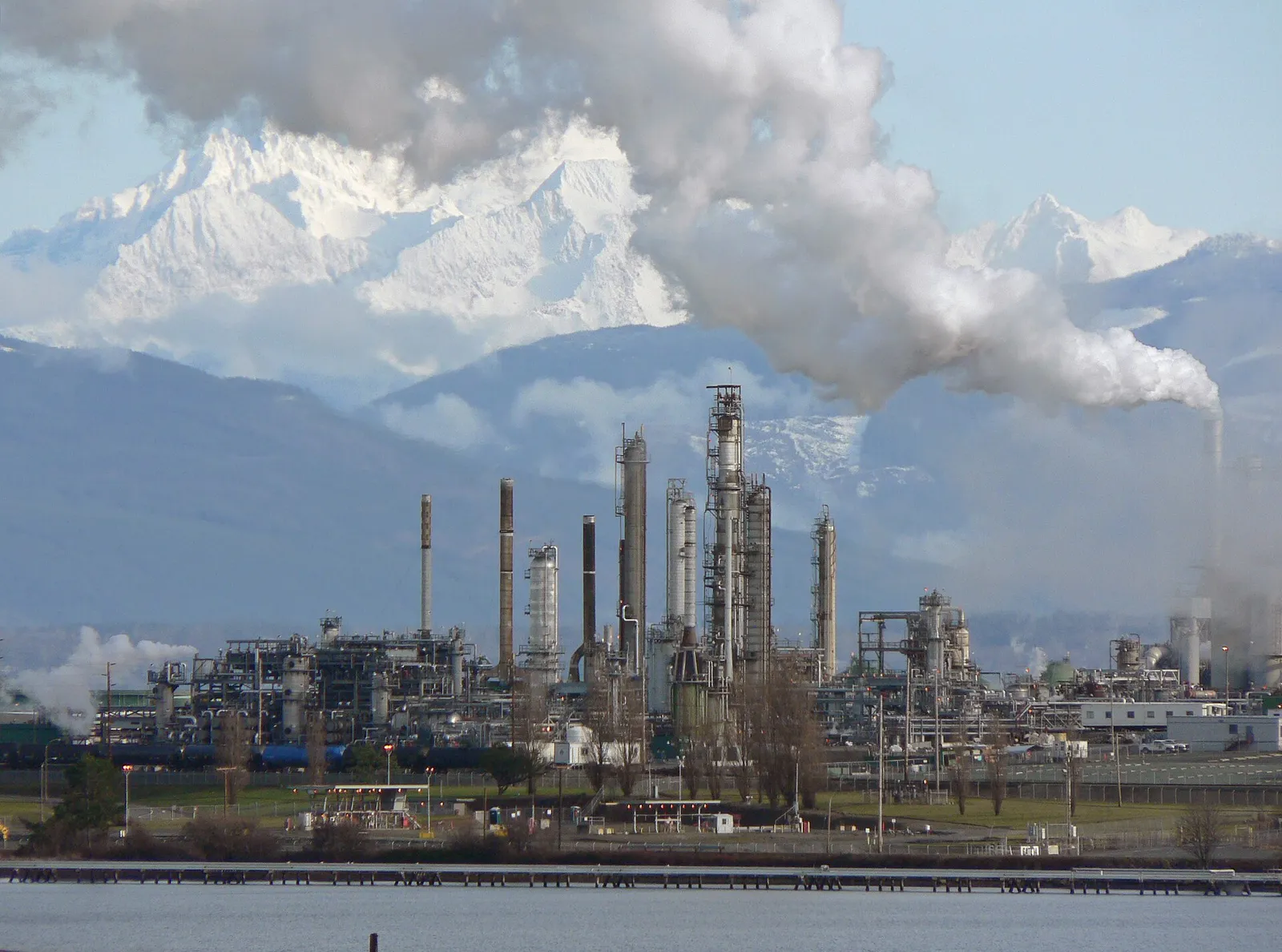
The Omsk refinery in southwestern Siberia, Russia's largest, was damaged in early July when Ukrainian drones hit a crude distillation unit, and operations stopped. Refineries and fuel depots in Crimea, the Baltic region and western Siberia have also been struck through the year.
A crude distillation unit is the first stage of a refinery, and damage there takes out everything downstream of it. That is why hitting refining hurts differently from hitting production: crude in the ground is still crude, and a country with plenty of oil and no working refinery has a fuel shortage.
Inside Russia, the report describes hours-long queues at filling stations, with occasional shouting and fist fights, and two phrases that have entered use: "fuel tourism" and "gas hunting".
Four countries, four responses
Kazakhstan has three Soviet-era refineries of its own, and still saw fuel prices rise 15.6 percent between the start of the year and July 10. It banned petrol exports in late May.
Kyrgyzstan, a member of the Eurasian Economic Union, began regulating prices and had subsidized fuel by about $11.4 million by mid-August. It has asked other former Soviet states for durable supply arrangements.
Tajikistan processes domestically only about 0.5 percent of what it consumes. It said in early July that reserves would last at least 60 days, and in mid-August signed a deal with Iran for 2.5 million tonnes of fuel. Some stations have limited sales to "20 litres per car".
Uzbekistan announced strategic reserves in early August covering two or three months.
Read the Tajik deal twice
A country cut off from Russian petrol by Ukrainian drone strikes has turned to Iran, whose own exports the United States is currently trying to shut down entirely.
That is not a criticism of Tajikistan, which has a 0.5 percent refining base and an immediate problem. It is an illustration of how sanctions and wars interact once you follow them past the countries they were aimed at. Each measure is aimed at one government, and the fuel market routes around it through whoever is left selling.
Why an export ban is the first move
Kazakhstan's ban is the standard reflex, and it works in the short term by keeping domestic supply at home. It also removes supply from neighbours who were relying on it, which is one reason a regional shortage spreads: each government solves its own problem in a way that worsens the next country's.
What we could not establish
We could not establish the current price of petrol in any of these countries, how much Russian refining capacity is offline, whether the Omsk refinery has resumed, or the terms of the Tajik agreement with Iran. We verified this account from a single publication.