Tom Barrack, Donald Trump's ambassador to Turkiye and his envoy for Syria, said in a podcast interview on Friday that Israel occupies the Golan Heights in defiance of international law. By Sunday he had retracted it, Al Jazeera reports.
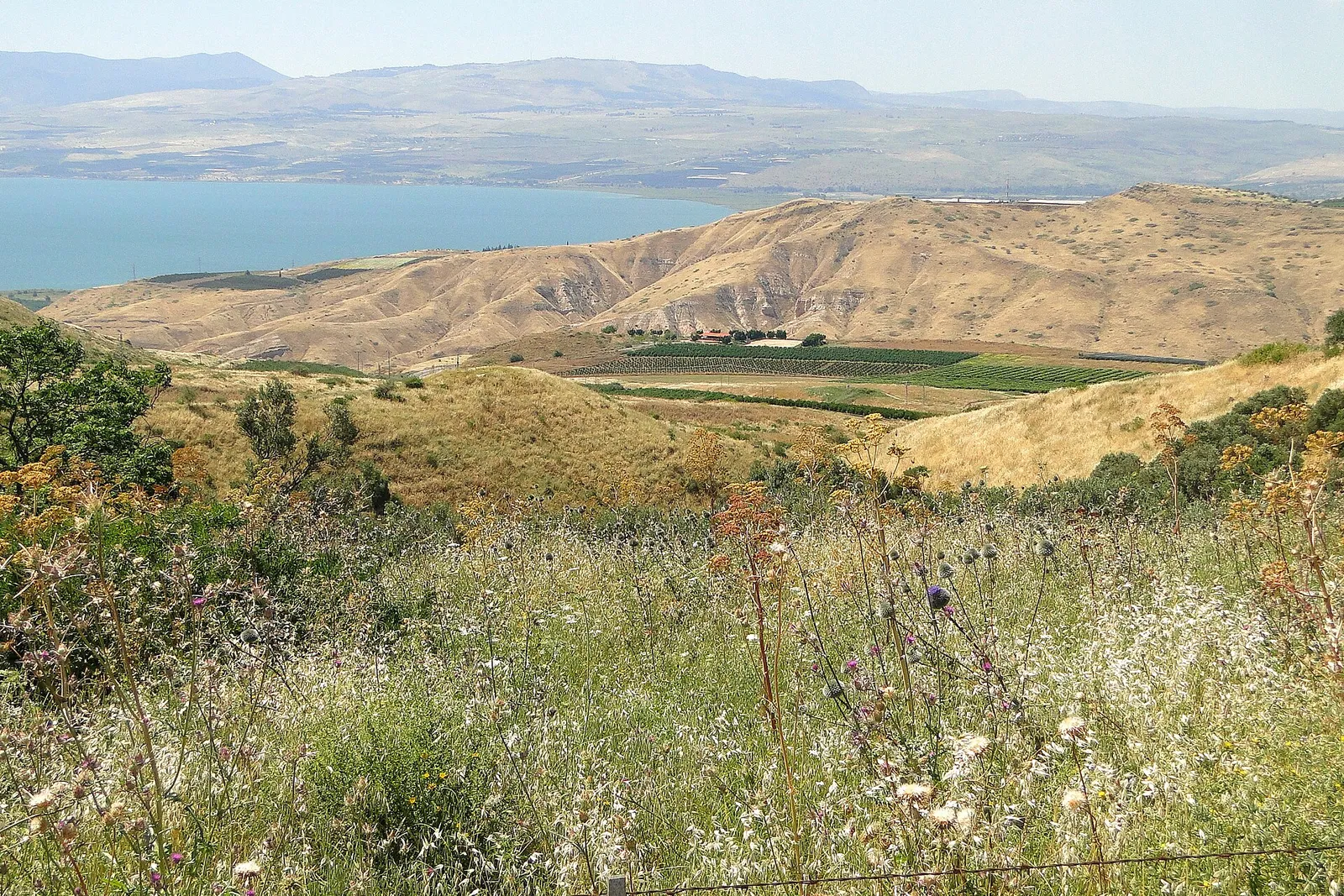
Speaking to the podcaster Mario Nawfal, Barrack said: "Saying that, in the Golan with Syria, they still occupy the Golan against the UN resolutions, against all of the international order, which has said the Golan is Syria's."
Two days later he told the Associated Press: "United States policy on the Golan was set by President Trump in 2019 and is unchanged."
Why the two sentences are not compatible
The first describes the Golan as occupied Syrian territory. The second affirms a policy that says the opposite.
Israel took the Golan Heights from Syria in the 1967 war and annexed the territory in 1981. That annexation was not recognized internationally. In 2019 Trump became the first head of government anywhere to recognize Israeli sovereignty over it, a move criticized by legal scholars who pointed to the postwar prohibition on acquiring territory by force. Colombia's government has recently joined the United States in supporting Israel's claim.
So Barrack's Friday remark was, in substance, a restatement of the position most of the world holds and the United States abandoned seven years ago. His Sunday statement returns him to his own government's line without disowning what he said.
The reaction was domestic, not diplomatic
Notably, the pressure came from within American politics rather than from Damascus or Jerusalem. Al Jazeera's account contains no comment from either the Syrian or the Israeli government.
Laura Loomer, a far-right commentator, wrote: "He should resign for his lack of understanding of US foreign policy." Rick Scott, a Republican senator, wrote: "President Trump has been CLEAR about Israel's sovereignty over the Golan Heights for years!" The capital letters are his.
Barrack has also drawn criticism for opposing recent Israeli air strikes in Syria, suggesting they may have been intended to antagonize Turkey ahead of the US midterm elections.
What an envoy's words are for
An envoy's public language is a policy instrument, which is why a slip is treated as consequential rather than as a private opinion. Barrack holds two jobs that pull in different directions: ambassador to Turkiye, which regards Israeli strikes in Syria as a threat to its interests, and envoy for Syria, whose government has a territorial claim the United States no longer recognizes. Speaking to the second audience in the second audience's terms is the likeliest explanation for Friday, and the retraction is the cost of it.
None of which tells us what he believes. It tells us what the United States will say.
What we could not establish
We could not establish whether the White House or the State Department asked Barrack to retract, whether Syria or Israel responded privately, or the full context around the quoted passage in an hour-long podcast. We verified this account from a single publication.