President Donald Trump has announced 50 percent tariffs on Canadian cars, auto parts and steel, to take effect on January 1, 2027, Al Jazeera reports. It follows a further set of 50 percent tariffs imposed on Saturday after negotiations failed.
Trump said Canada is "among the worst Nations in the World to deal with", and set out the alternative in his own capitals: "Build in the U.S. and there are ZERO TARIFFS."
What is actually new here
Steel was already tariffed at 50 percent. Cars have been contested for some time. The genuinely new item is auto parts, which previously carried no levy at all.
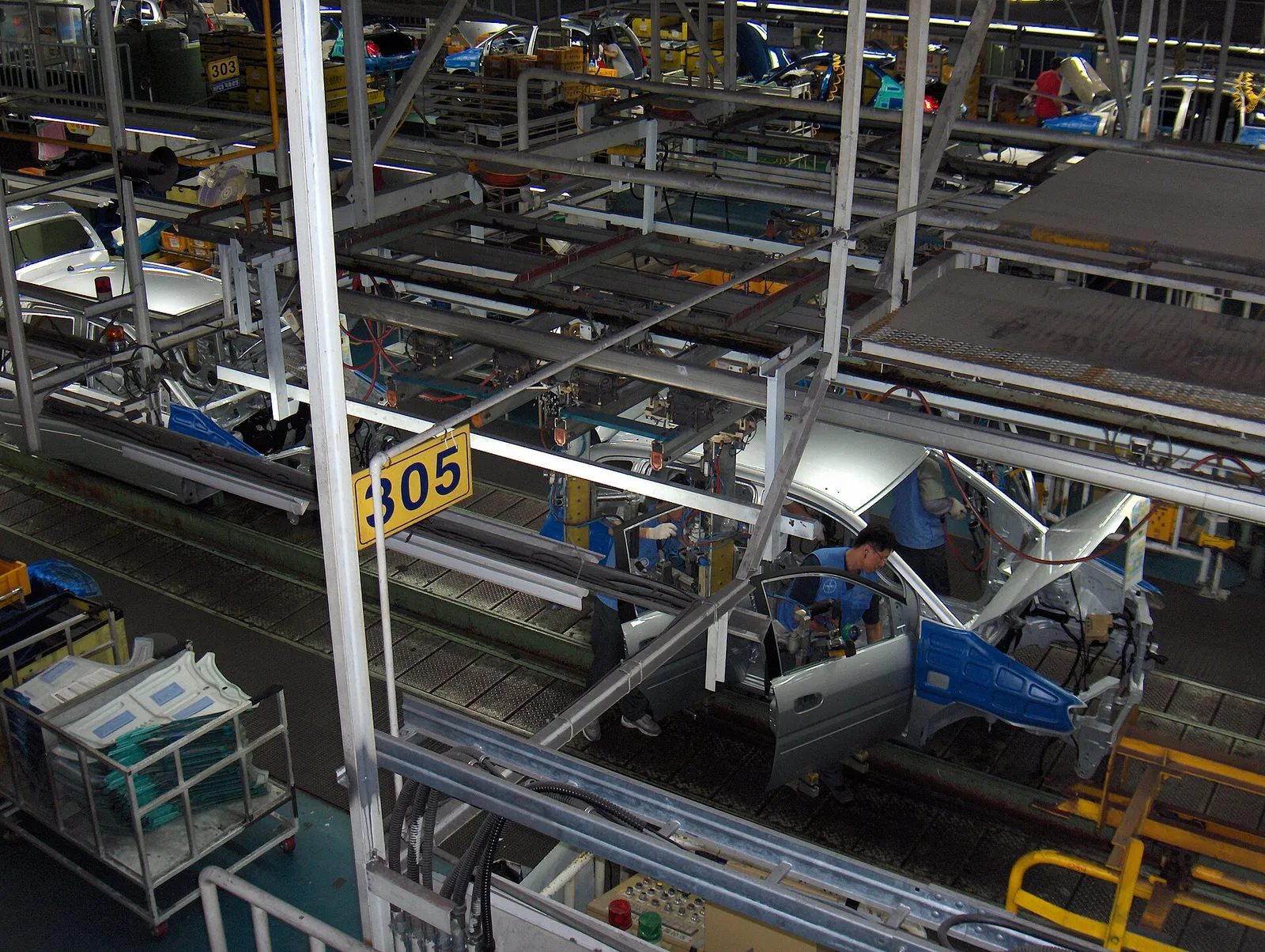
That is the change with the most reach, because parts do not cross the border once. A component can move between Michigan and Ontario several times before it becomes a finished vehicle, and a tariff applies at each crossing. This is why an industry association president warned that without Canadian parts, "auto assembly throughout the U.S. would halt".
That warning is from a body representing the industry, so it is an interested party, and the phrasing is stronger than a neutral forecast would be. It is also describing a supply chain that genuinely was built on the assumption that the border was not a barrier.
The asymmetry, and its limit
Canada sends more than three-quarters of its goods to the United States and buys nearly half its goods from it. Total trade in goods and services between the two came to $872.3 billion in 2025, down 4.6 percent.
Those figures are usually cited to show that Canada has more to lose, and in aggregate that is true. The parts warning is the qualification: a smaller economy can be more exposed overall while still holding an input the larger one cannot quickly replace.
Canada has prepared retaliatory tariffs on American goods. The government did not immediately comment on Monday's announcement.
Why 2027, and why the scepticism
The date is more than four months away, which leaves room for negotiation, and auto executives have responded to the announcement with doubt, noting that previous tariff announcements did not take effect.
That is worth reporting plainly rather than treating as cynicism. A deadline set at a distance functions as leverage as much as policy, and the industry's reaction is a judgment about which of the two this is. Whether they are right will be visible on January 1.
What we could not establish
We could not establish what Saturday's tariffs cover, whether the January measures replace or add to them, the value of Canadian auto and parts exports specifically, the name of the industry association quoted, or what Canada's prepared retaliation would target. We verified this account from a single publication.