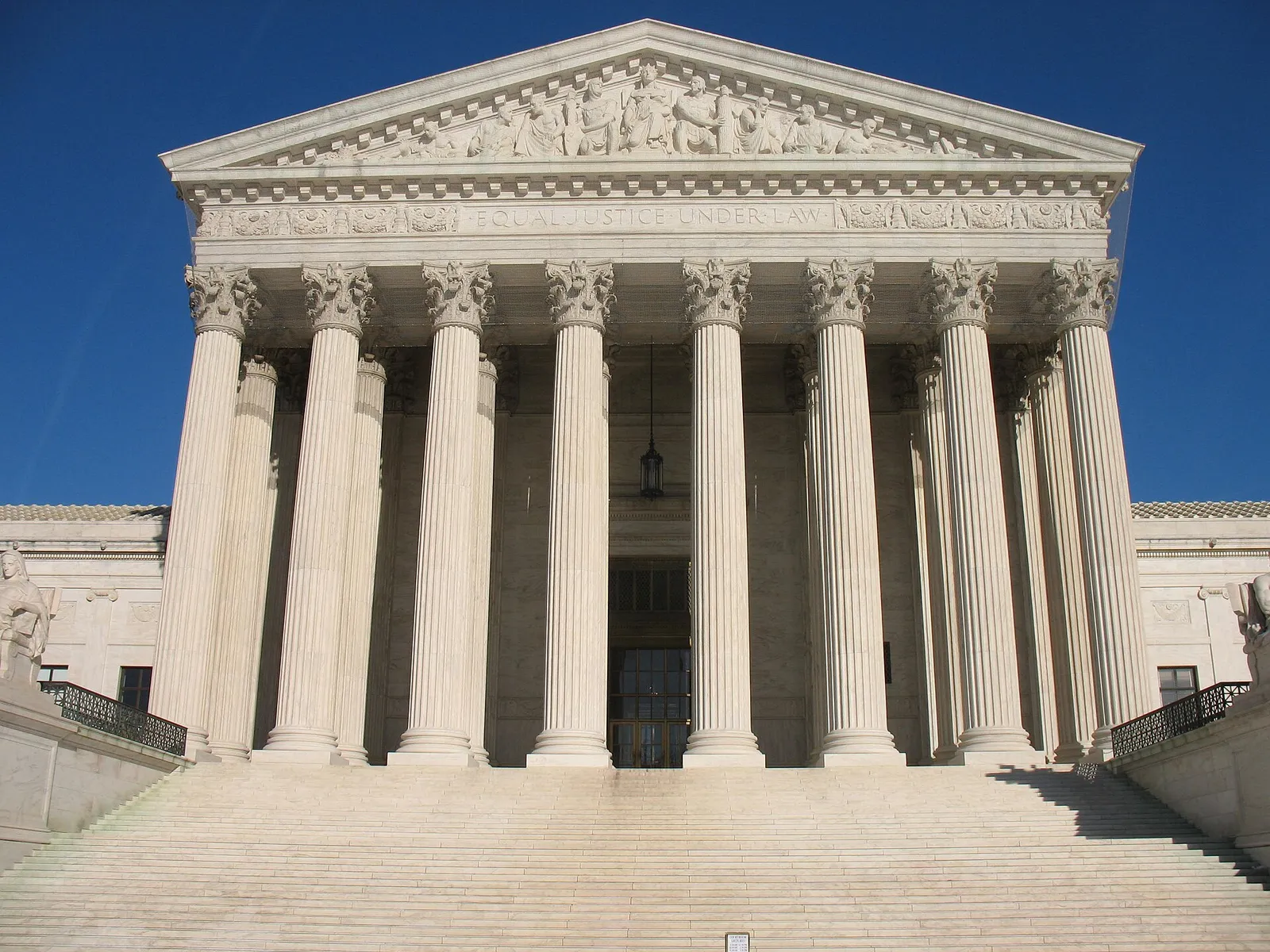
The US Supreme Court on Monday gave presidents the power to fire members of the Federal Trade Commission without cause, sweeping away job protections that had stood since the New Deal and reshaping the relationship between the White House and the federal agencies meant to operate independently of it, NPR reported.
What the court decided
By a vote of 6-3, with the court's conservative majority in agreement and its three liberals dissenting, the justices ruled in Trump v. Slaughter that the president's executive power under Article II of the Constitution includes the authority to remove FTC commissioners — and that the law Congress wrote to protect them, allowing dismissal only for "inefficiency, neglect of duty or malfeasance," is unconstitutional. In doing so the court formally overturned Humphrey's Executor v. United States, the 1935 decision that had upheld such protections for nearly a century. Writing for the majority, Chief Justice John Roberts left no doubt about the precedent's fate: "If anything more is left of Humphrey's, we overrule it."
How the case arose
The dispute began early in President Trump's second term, when he dismissed the FTC's two Democratic commissioners, Rebecca Slaughter and Alvaro Bedoya, without citing the statutory grounds, telling them their continued service was inconsistent with his administration's priorities. Lower courts had found the removals unlawful under existing precedent; the Supreme Court reversed them.
The reasoning, and the warning
The majority embraced a view known as the "unitary executive" theory — that because the Constitution vests executive power in the president, he must be able to control those who wield it, as CBS News reported. The dissent, led by Justice Sonia Sotomayor, was scathing. The court, she wrote, "today forgets its place," accusing the majority of reshaping the government and undoing "centuries of political practice" by stripping away protections designed to keep regulators insulated from partisan pressure.
What it means
The ruling reaches well beyond the FTC. Roughly two dozen multi-member agencies — bodies that regulate competition, communications, financial markets and labor relations, among them the FCC, the SEC and the National Labor Relations Board — have long been structured so their leaders serve fixed terms and cannot be removed at a president's whim. That insulation is now in doubt, allowing a president to install officials aligned with his own agenda and effectively ending the requirement that commissions like the FTC be bipartisan. The justices have signaled that the Federal Reserve, given its distinct structure and role, may stand apart as a special case, according to CNBC — a carve-out closely watched by markets.
Supporters of the decision, including the administration, cast it as restoring democratic accountability, arguing that officials who exercise executive power should answer to the elected president. Critics, including consumer and good-government groups, warn that it hands the White House the levers of agencies built to be referees rather than instruments of any single administration. Either way, a pillar of the modern administrative state, in place since 1935, has been removed.