Two of the companies at the heart of the artificial-intelligence supply chain wobbled on the stock market on Monday, after reports that they plan to spend on a scale rarely seen in the industry. Shares of Samsung Electronics and SK Hynix fell on news of a combined capital-spending plan put at roughly $1.3 trillion, CNBC reported.
The reported plan
The figure — about 2,000 trillion South Korean won, according to Fortune — is reported to cover roughly a decade of investment in new chip fabrication plants and the memory capacity needed to feed AI, including high-bandwidth memory, or HBM, the specialized chips that sit alongside the processors training large AI models. It was not entirely clear from early reports how much of the headline number represents firm commitments versus longer-term ambitions, a distinction that matters for how seriously markets take it.
Why shares fell on a big bet
It might seem odd that investors would sell on news of huge investment in a booming market. But the reaction reflects familiar anxieties. Memory chips are a famously cyclical business: waves of heavy spending have repeatedly led to gluts and crashing prices, as in the downturn of 2018 and 2019. Pouring enormous sums into new capacity raises the risk that supply will outrun even AI's voracious demand, squeezing margins before the new factories pay off. Investors also worry about the sheer cost and the years it will take to see returns.
The AI connection
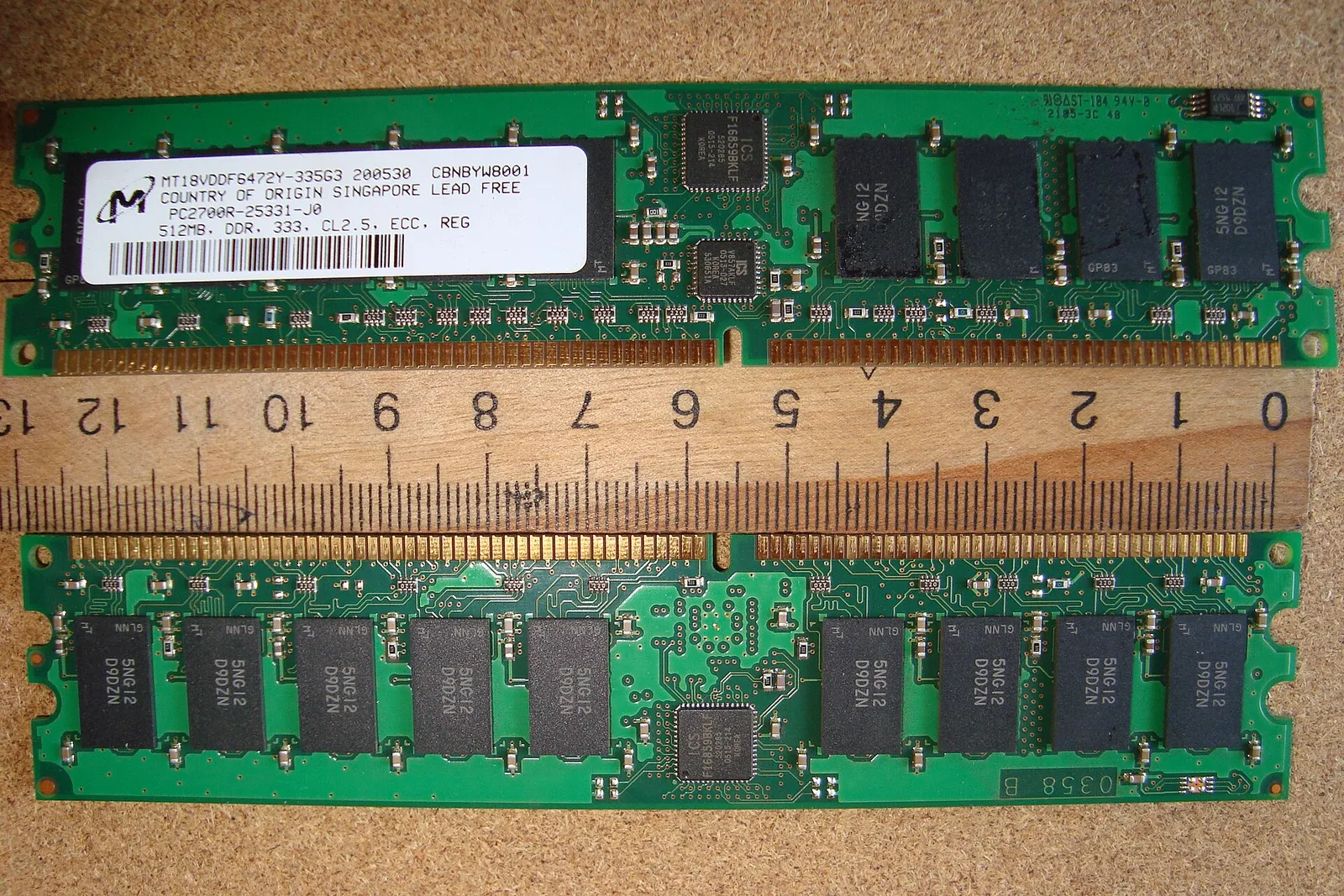
The spending is, at bottom, a bet on artificial intelligence. Demand for HBM has surged as companies race to build AI data centers, and SK Hynix in particular has profited as a leading supplier of the memory used in Nvidia's AI chips, with Samsung investing to catch up. The episode is part of a wider unease that has rippled through AI-linked stocks in recent weeks, as investors weigh whether the trillions being committed across the industry will ultimately be justified by returns.
Confidence or over-extension?
The two readings of the news sit side by side. Supporters argue that committing to capacity now is exactly what a company should do when demand is real and growing, and that first movers will lock in market share and pricing power. Skeptics counter that simultaneous mega-investments by rival chipmakers — often encouraged by government subsidies — risk a race that ends in oversupply. Which view prevails will become clearer as the companies detail their plans and report results in the months ahead. For now, markets have signaled they want proof, not just ambition — and this is not investment advice.