It has a nickname now: RAMageddon. The memory chips inside almost every computer, phone and games console are in short supply, and prices have climbed to levels not seen in years. The bill is landing on consumers — and the culprit, analysts say, is artificial intelligence.
What is happening
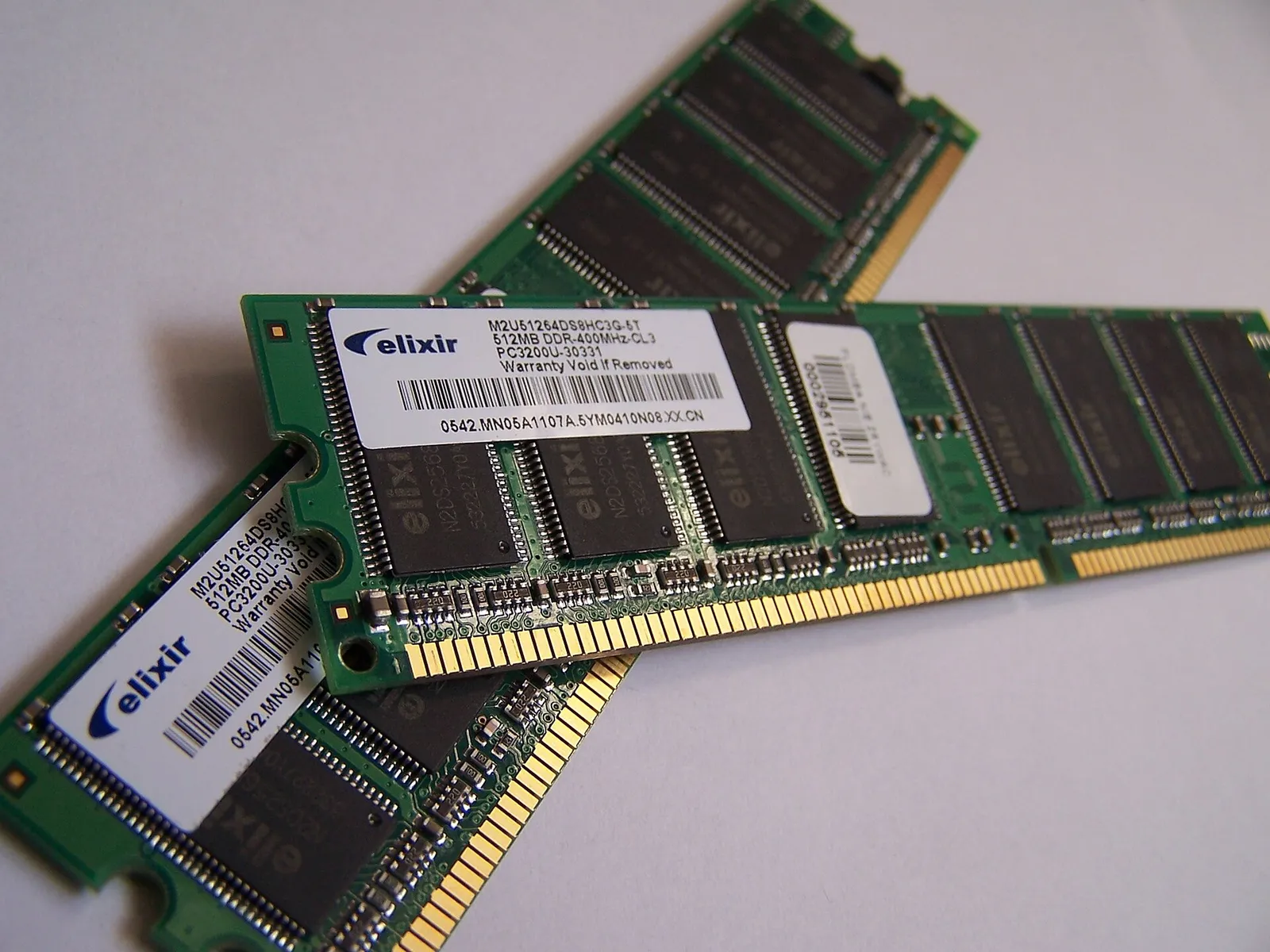
Prices for DRAM — the working memory in your devices — have spiked through 2026. The market-research firm TrendForce estimated that DRAM contract prices jumped on the order of 90% or more from the previous quarter in early 2026, with a further sharp rise expected in the second quarter, it reported. Back-to-back increases on that scale are historically unusual.
The effects are already visible in the shops. Apple has raised prices on its Macs and iPads, citing component costs, and Microsoft has increased prices on its Surface computers, pointing to higher memory costs, The Verge reported. Reports indicate price pressure on PCs and gaming hardware too, and standalone memory kits for do-it-yourself upgrades have risen steeply from a year ago.
Why AI is to blame
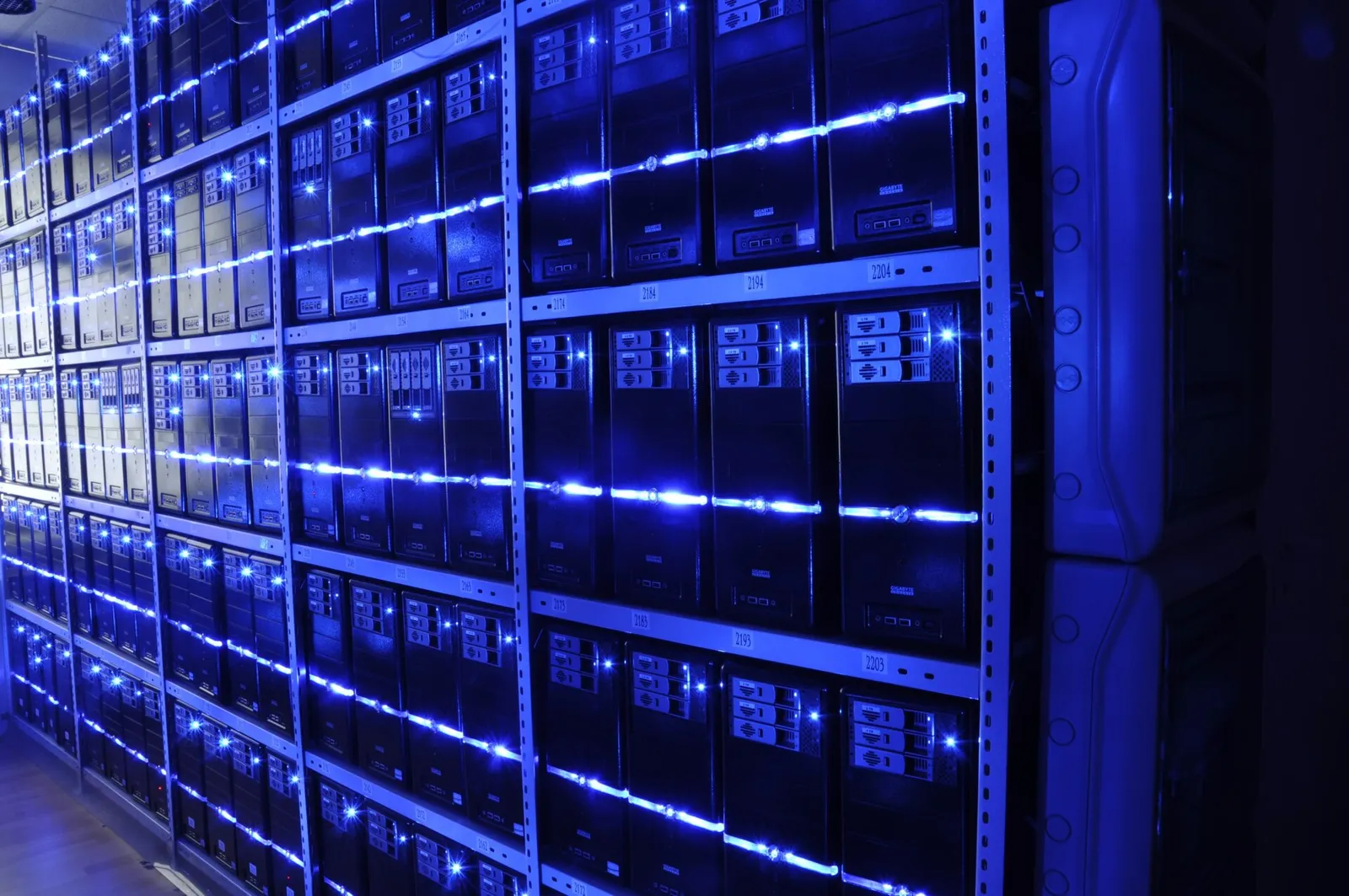
Building an AI data center requires huge quantities of a specialized, high-margin memory called high-bandwidth memory (HBM), which stacks chips to feed the graphics processors that train and run AI models. Producing HBM consumes far more manufacturing capacity per gigabyte than the ordinary memory in consumer gadgets, IEEE Spectrum reported.
The world's three big memory makers — Samsung, SK Hynix and Micron — have shifted factory capacity toward those lucrative AI orders from cloud giants, tightening the supply of standard consumer memory. The squeeze was worsened by production cuts made during a price slump in 2022–23, which left little spare capacity when AI demand surged.
Who is raising prices
Apple moved first among the big device makers, raising most Mac and iPad models by at least $100 while leaving the iPhone unchanged for now. Microsoft followed with Surface increases reported at $100 to $500 depending on the model. Industry coverage has also pointed to higher prices or delays for gaming hardware and some Android phones as makers pass on memory costs. Analysts cited by technology outlets expect average PC prices to rise noticeably this year and shipments to fall as a result, though specific forecast figures vary by firm and should be treated as estimates.
How long it could last
Most analysts do not expect quick relief. New memory factories from the big three makers are generally not due to come online until 2027 or 2028, and much of that new capacity is earmarked for AI memory rather than consumer chips. Some industry figures have suggested the shortage could persist until around 2028. Forecasters also note that memory prices tend to fall more slowly than they rise, especially while the underlying driver — AI infrastructure spending — keeps growing.
What it means for buyers
The practical guidance from supply-chain analysts is blunt: if you genuinely need a new laptop, phone or PC soon, waiting is unlikely to save money, because the consensus points to further increases through 2026 rather than a near-term drop. Buyers who can comfortably postpone a memory upgrade might see some easing later in the cycle, but no one is promising the steep price corrections that followed past chip gluts.
More broadly, RAMageddon is a vivid illustration of how completely the AI boom has reshaped the technology supply chain — with ordinary consumers, far from any data center, helping to foot the bill.