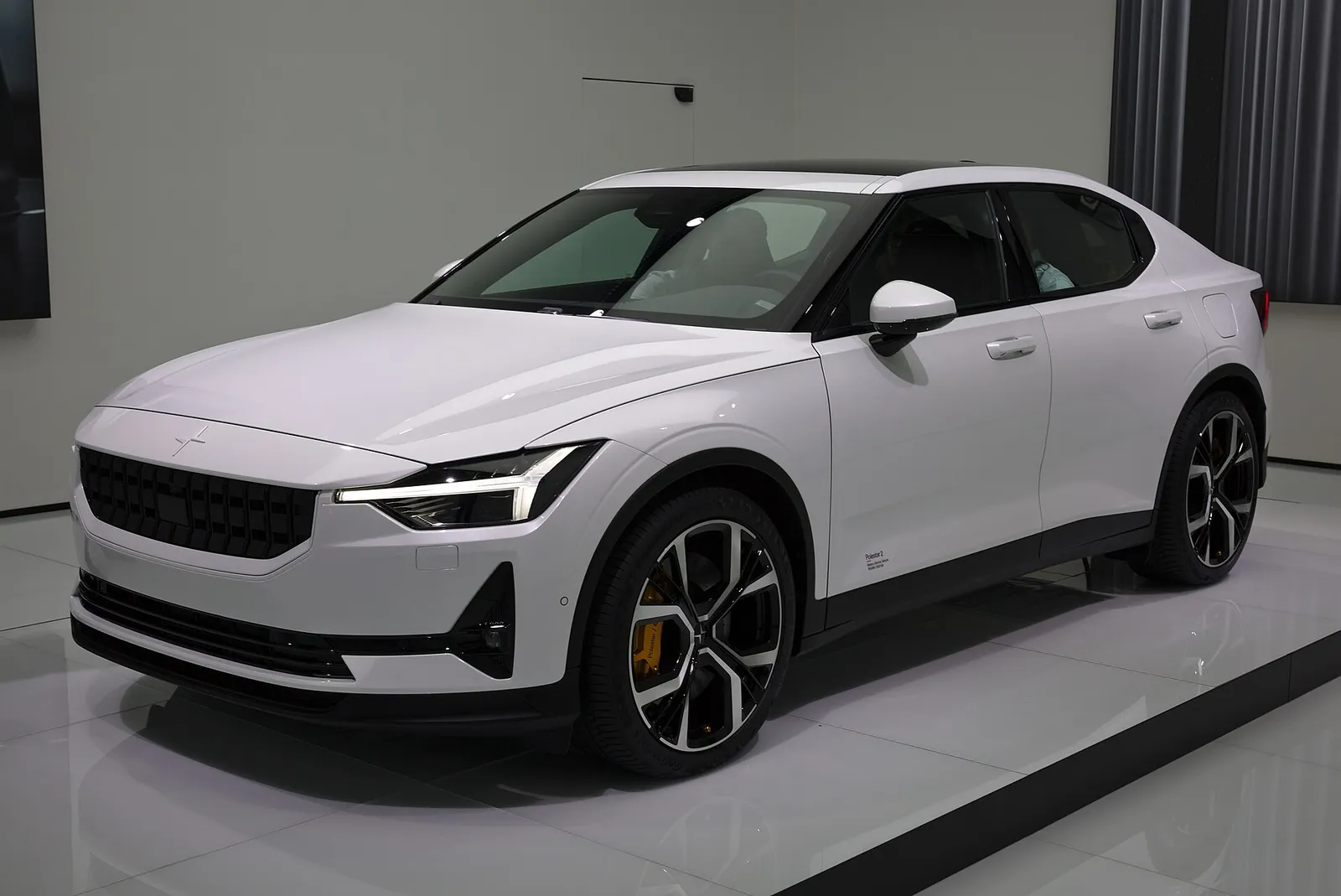
Polestar, the Swedish electric-car brand, is being pushed out of the United States new-vehicle market after the US Commerce Department refused to let it keep selling cars, a decision rooted not in the vehicles themselves but in who owns the company. The move, reported by CNN, has left current American owners of Polestar cars trying to work out what it means for the vehicles already on their driveways.
Why Polestar is banned
The decision falls under the "Connected Vehicle Rule," a US regulation finalized in early 2025 that bars from the American market cars with a "sufficient nexus" to China or Russia, on national-security grounds tied to the data and software in modern connected vehicles. Polestar is majority-owned by Geely, the Chinese group that also controls Volvo, and it is that ownership, rather than where the cars are built, that triggered the ban, Fox Business reported. Notably, the Polestar 3 sold in the US is built in South Carolina and the Polestar 4 in South Korea; neither is made in China. The rule's software restrictions bite from the 2027 model year, effectively ending new US sales.
What owners keep
For people who already own or lease a Polestar, the company has sought to offer reassurance. Polestar says existing warranties remain in force and will be honored, that it will keep supporting current cars through its service network, and that over-the-air software updates are expected to continue for the existing fleet. It also says it will sell through its remaining US stock of the Polestar 3 and 4. In the near term, in other words, owners are not being cut off: their cars can still be serviced and repaired, and their coverage stands.
What owners worry about
The unease is about the longer term. Owners and industry observers have raised concerns about the future supply of parts, whether US cars will keep pace with software updates rolled out elsewhere, and, perhaps most immediately, what a market exit does to resale values. A brand that can no longer sell new cars in a country can quickly lose value on the used market, and buyers of a departing marque often worry about being left, as some owners put it, holding the bag. The recent collapse of the EV startup Fisker, which left its owners scrambling for service and parts, has sharpened those fears, even though Polestar, backed by Geely and still selling globally, is in a very different position.
The bigger picture
Polestar's predicament is a concrete example of how the widening technology rivalry between Washington and Beijing is reaching ordinary consumers. A rule written around national-security concerns over connected-car data has, in practice, forced a European-badged, partly American-built brand out of the market because of its Chinese parent. Polestar says it will focus on Europe and other markets, where the great bulk of its sales already lie. For its American customers, the company's assurances address the immediate questions; the harder ones, about the value and supportability of their cars years from now, will be answered only with time.