Oil prices have fallen back to where they sat before the recent conflict between the United States and Iran, unwinding a dramatic wartime spike as fears of a lasting disruption to global supply have eased.
The moves
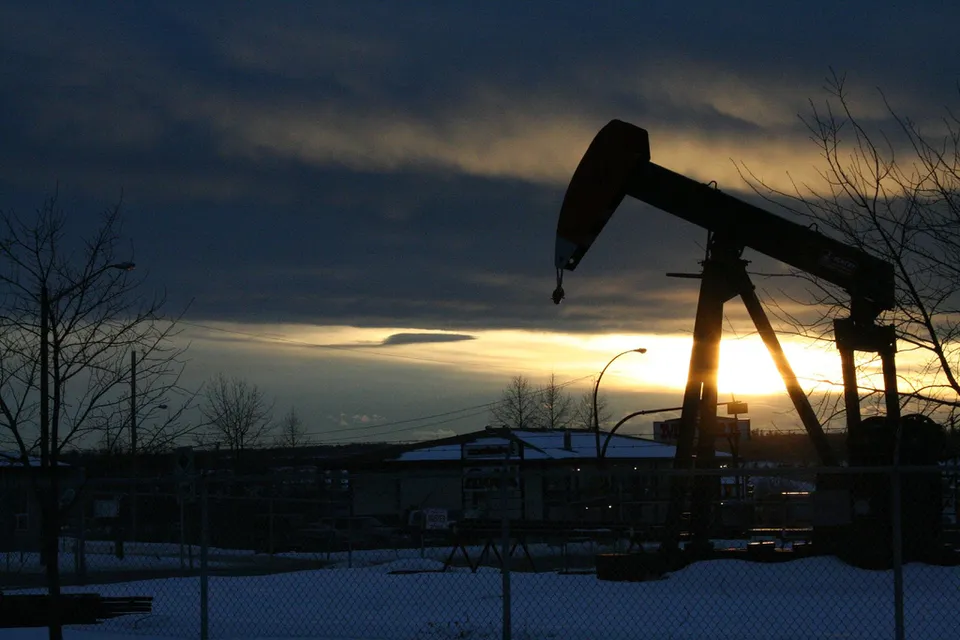
Brent crude, the international benchmark, dropped to around $73-74 a barrel — its lowest level since the day before the conflict began, CNBC reported. The US benchmark, West Texas Intermediate, fell to just under $70. At the height of the war, Brent had surged dramatically as traders priced in the threat to supply; from that peak, prices have now retraced most of the way back down.
Why prices spiked, then fell
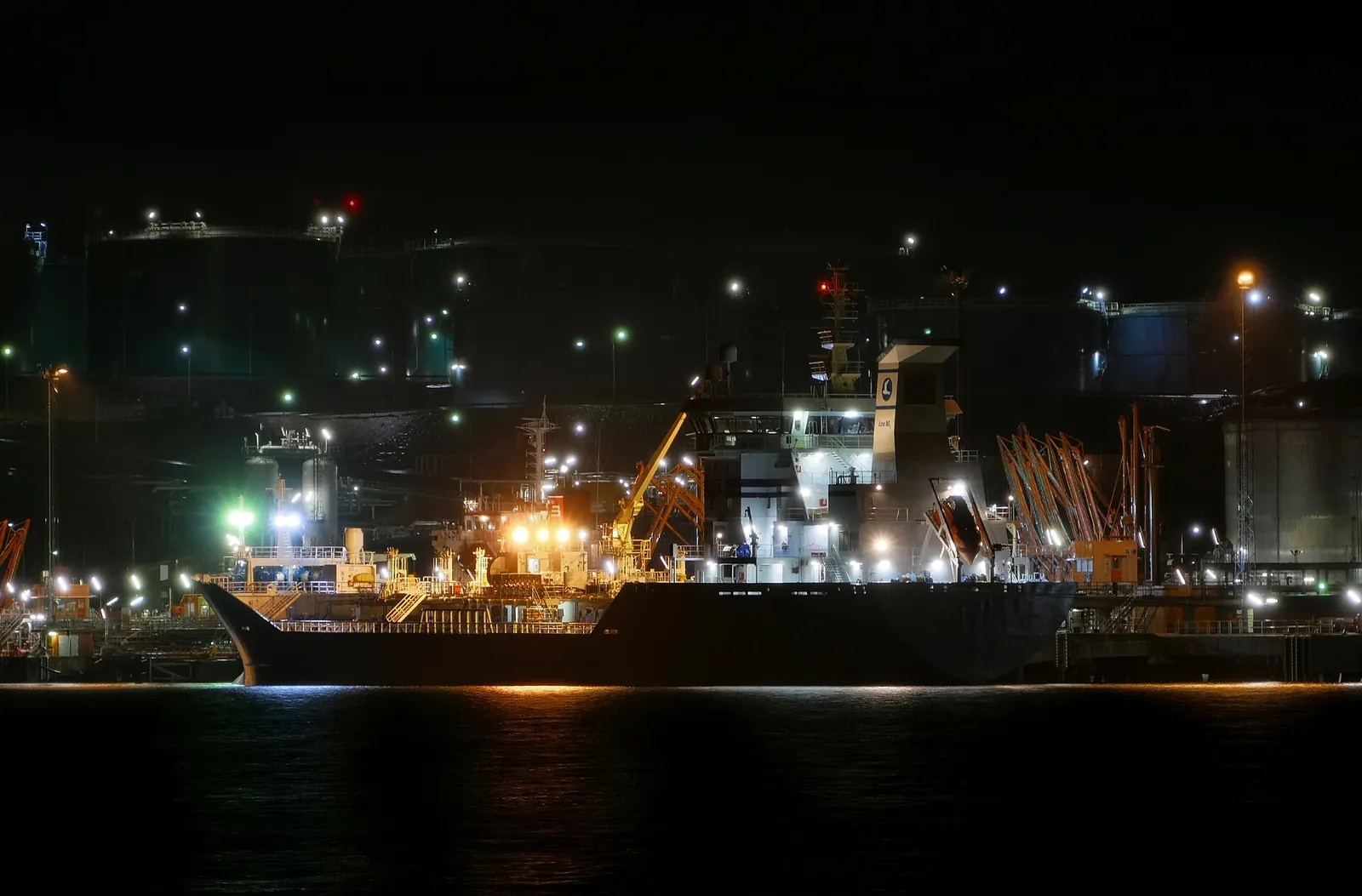
The conflict, which began in late February, immediately threatened the Strait of Hormuz — the narrow waterway between Iran and Oman through which a large share of the world's seaborne oil passes. With tanker traffic disrupted, traders feared a serious shortfall, and prices jumped.
The turning point was a ceasefire framework. Washington and Tehran signed a memorandum to wind down the conflict, under which Iran would reopen the strait and the US would lift its naval blockade, Al Jazeera reported. Shipping through Hormuz has since picked up sharply, easing the supply fears that had driven the spike.
Analysts also point to softer underlying conditions: forecasters expect ample supply heading into next year, and OPEC+ made only modest output changes during the crisis — signals that the market is not braced for prolonged tightness.
Relief at the pump
Cheaper crude is feeding through to drivers, though gradually. In the United States, average gasoline prices have eased from their wartime highs, and in the United Kingdom pump prices have continued to drift down from their spring peak. Officials and analysts caution, however, that it can take weeks or months for lower crude prices to fully show up at the pump, and that restoring normal flows through Hormuz — including clearing the waterway of hazards — will not happen overnight, PBS NewsHour reported.
What it means
For consumers, the retreat in prices offers some relief on fuel and, indirectly, on the cost of goods that depend on transport. For oil-exporting countries, the swing cuts the other way: the wartime disruption squeezed export volumes even as it lifted prices, and now prices are falling back before output has fully recovered. The market's calm rests on an assumption that the ceasefire holds and the Strait of Hormuz stays open — a bet that, for now, traders appear willing to make.