

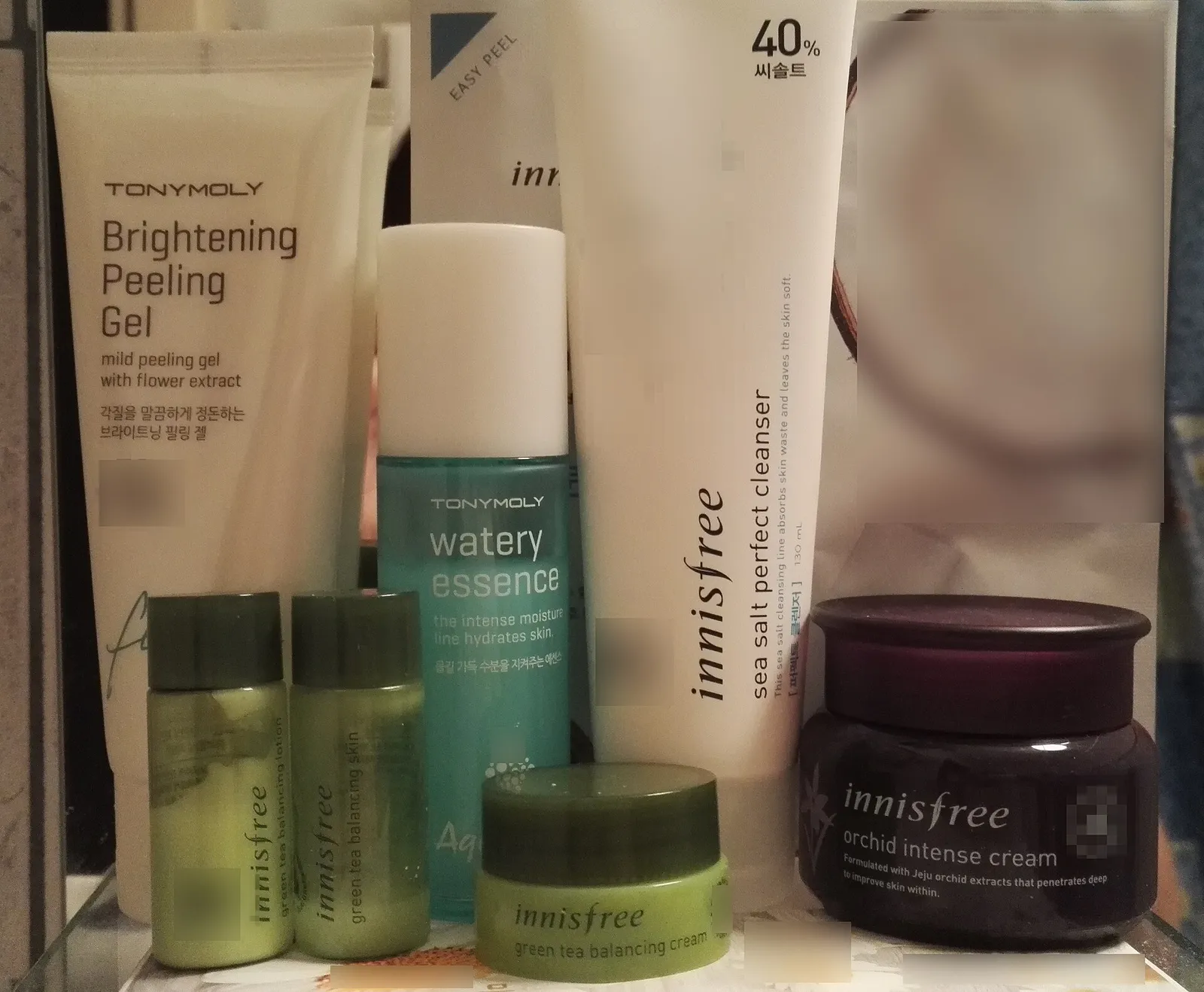
Korean cosmetics, sold in the United States a decade ago mainly through specialist importers and online communities, now occupy shelf space at some of the country's largest chain retailers. The trade figures behind that shift are substantial, and so are the new costs the category faces.
South Korea's cosmetics exports reached a record 7 billion dollars in the first half of 2026, up 27.3 percent year on year, according to the Seoul Economic Daily. The United States accounted for about 1.45 billion dollars of that, a rise of 41.5 percent on the same period a year earlier.
A market that changed hands
The more consequential shift is which country buys the most. The United States overtook China as the largest destination for South Korean cosmetics, Global Cosmetics News reported, reversing a long period in which the Chinese market anchored the industry.
That reversal reflects two movements at once. Chinese demand for imported Korean brands weakened as domestic Chinese brands gained ground, while American demand rose from a much smaller base. Exports to the United States grew from 841 million dollars in 2021 to 2.2 billion dollars in 2025, the Seoul Economic Daily reported.
Distribution did the work
The mainstreaming is largely a distribution story. Reaching American shoppers at scale required getting onto the shelves of chains that most consumers already visit, rather than relying on direct shipment from Korea.
Sephora has taken on brands including Beauty of Joseon and labels owned by Amorepacific, while Ulta has secured distribution for Medicube and Anua, KED Global reported. Target and Amazon have widened their assortments beyond skincare into color cosmetics, haircare and body products, according to KED Global.
Social platforms supplied the demand side. Short-form video suits a category built on multi-step routines and visible before-and-after results, and it gave smaller Korean brands a route to American consumers that did not require a traditional advertising budget.
The cost side changed in 2025
Two policy changes have raised the cost of getting these products to American buyers.
South Korean goods entering the United States became subject to a 15 percent tariff from August 1, 2025, under a trade agreement with the Trump administration. Separately, the de minimis exemption, which had allowed shipments valued under 800 dollars to enter duty-free, ended on August 29, 2025. Packages that previously entered untaxed now face either the tariff rate applying to their country of origin or fixed fees.
The effect landed directly on the direct-to-consumer channel that had carried much of the category's early growth. NBC News reported that shoppers encountered unexpected charges on orders, and some retailers suspended shipments to the United States. The Korean retailer Olive Young applied a customs duty to US orders to offset the tariff.
What is being tested
The open question is whether the retail distribution built over the past few years insulates the category from those costs. Products sold through Sephora, Ulta, Target and Amazon move as bulk commercial imports rather than individual parcels, which makes them subject to the tariff but not to the loss of the de minimis rule.
That points to a plausible outcome in which the established brands with shelf space absorb the change and consolidate, while smaller labels that depended on direct shipping face the sharper adjustment. The first-half export figures suggest demand has held so far. Whether it holds as tariff costs work through to shelf prices is the part that has not yet been settled.