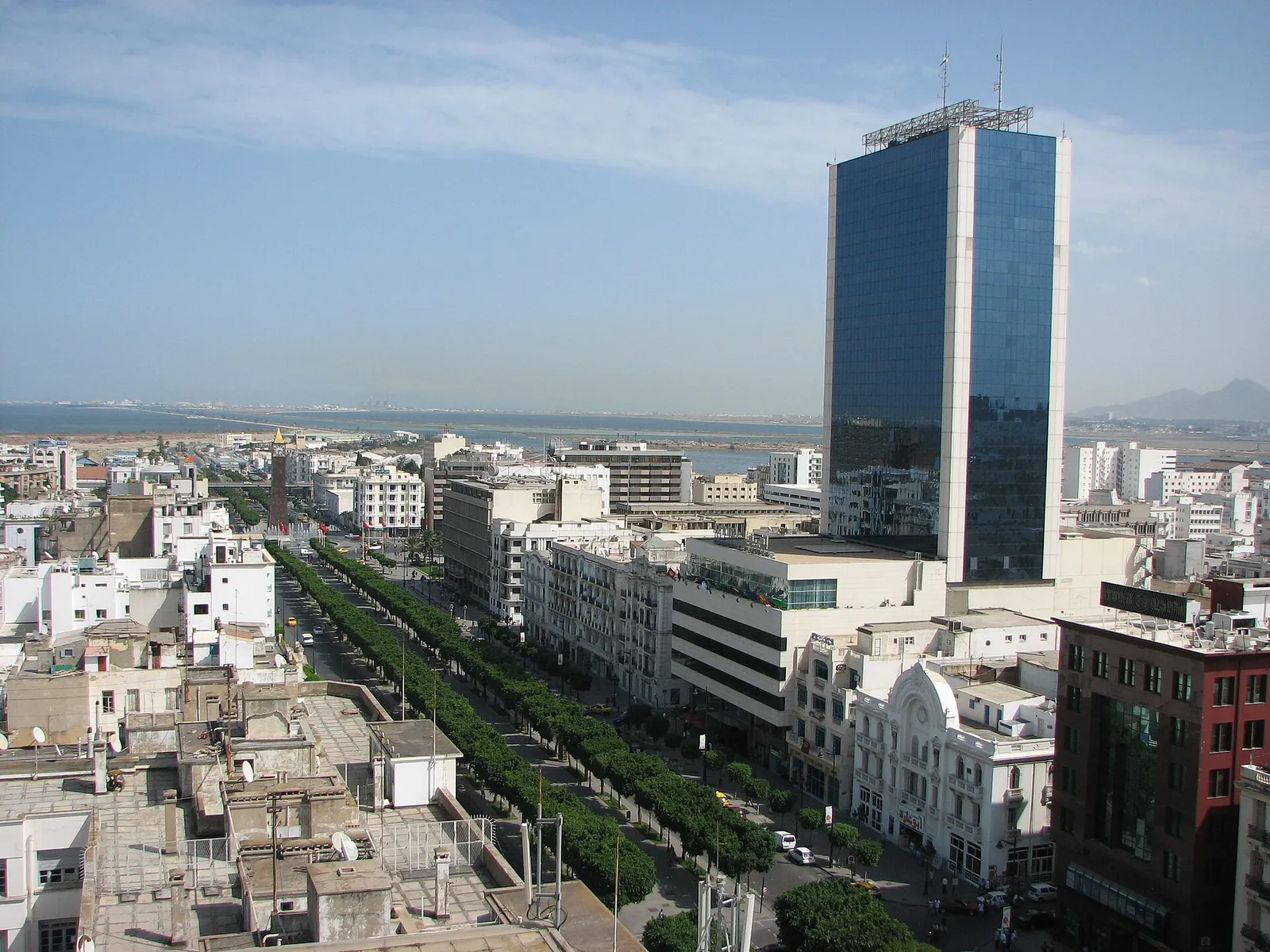
The available report is short and does not say whether police intervened, whether anyone was detained, or how the government responded. Those omissions are noted here rather than filled in.
The combination that matters
The interesting thing about this protest is not its size, which was modest. It is the pairing of demands.
Opposition to Saied has for several years been argued largely in constitutional terms, by lawyers, judges, journalists and party figures, over the concentration of power in the presidency. That is a real argument and it has never commanded the street in large numbers, because constitutional grievance is not what brings people out in a country where most households are worried about money.
Power cuts and prices are different. They are felt daily, by everyone, and they are attributable to a government in a way that abstractions are not. A movement that fuses the two is a more serious proposition for any president than one making either case alone.
How Tunisia got here
Saied was elected in 2019 with a large majority, an outsider promising to clear out a political class widely seen as corrupt and ineffective. In July 2021 he suspended parliament and dismissed the prime minister, then governed by decree and put a new constitution to a referendum in 2022 that greatly strengthened the presidency. Turnout in that referendum was low.
Supporters describe that sequence as a necessary correction to a paralysed system that had delivered a decade of instability and economic decline after the 2011 revolution. Opponents describe it as the dismantling of the only democracy to emerge from the Arab uprisings. Both descriptions are held sincerely by large numbers of Tunisians, and this article is not going to choose between them.
What is not disputed is that a number of prominent opposition figures have been prosecuted and jailed in the period since, and that the economy has continued to struggle.
Why a new movement
The emergence of a group calling itself the Nafas Movement is itself a piece of information. Tunisia's established opposition parties are weakened, some of their leaders are in prison, and they carry the reputational damage of the years before 2021, which is a large part of why Saied's intervention was initially popular.
A new formation organising around electricity and prices is attempting something the old parties cannot easily do: opposing the president without asking people to defend the political order he replaced.
Whether several hundred people in Tunis represents the start of something or an isolated afternoon is not knowable yet. The measure will be whether it happens again, and whether it happens outside the capital.