Authorities in Peru have begun airlifting people who spent six days stranded on a highway in the Arequipa region after landslides cut the road in both directions. Heavy rains and landslides destroyed sections of the Southern Coastal Highway, leaving dozens of people and vehicles stranded, and helicopter evacuations were under way.
That is the whole of the confirmed account, and it is worth saying so directly. The available report is a short news item accompanying video footage. It does not give a precise number of people, the dates the slides occurred, whether anyone was hurt or killed, which agencies carried out the rescue, or the names of any officials involved. This piece does not supply those, because they have not been established.
What being cut off on that road means
The detail that carries the weight here is the six days.
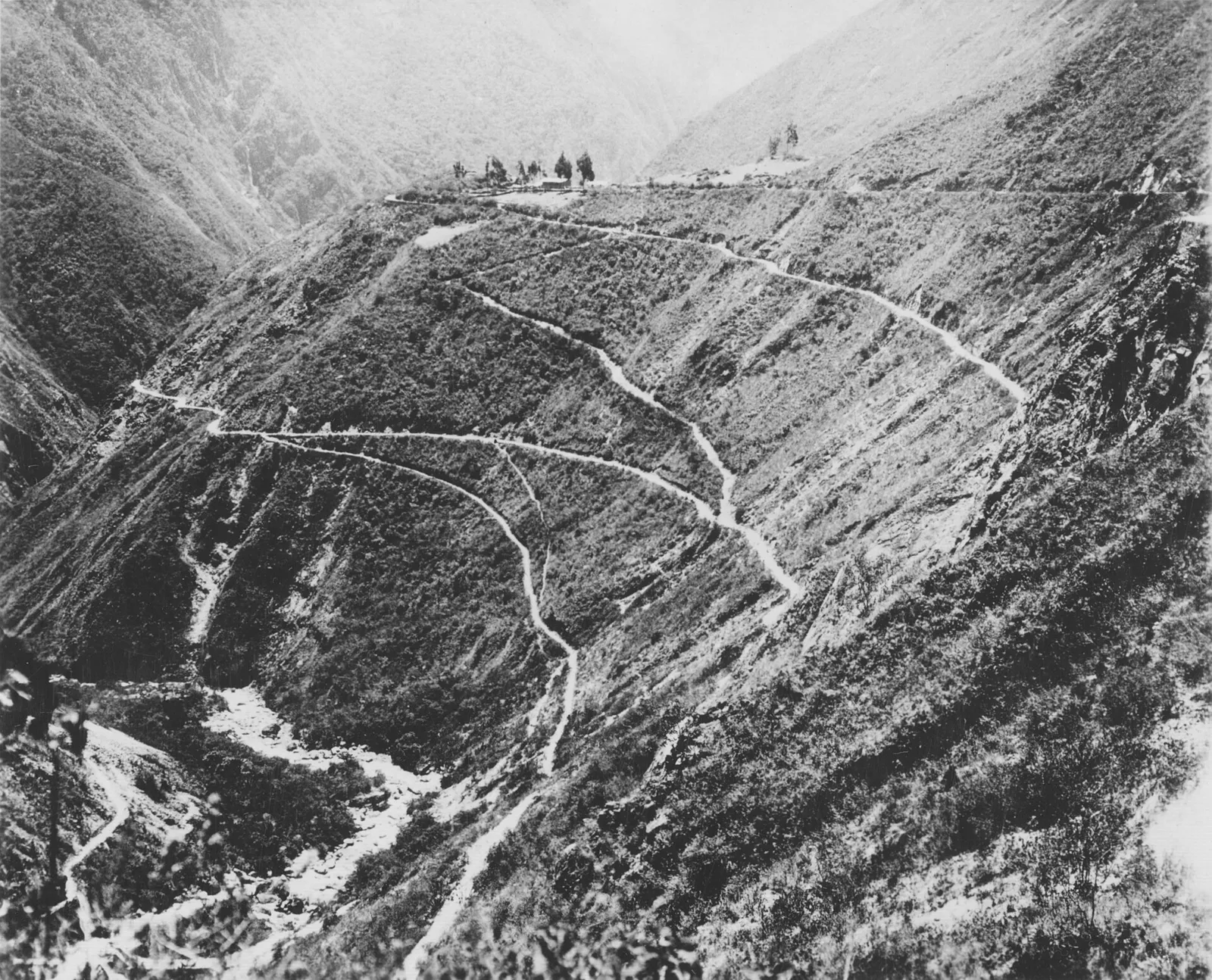
The Southern Coastal Highway runs through terrain where the Andes come close to the Pacific, and long stretches have no settlements, no alternative route and limited mobile coverage. When a slide comes down in front of a line of vehicles and another comes down behind it, the people between them are not inconvenienced, they are contained. There is no walking out across that ground in either direction.
Six days is long enough for food and water carried for a day's journey to run out entirely, which is why the rescue required aircraft rather than earthmovers: reopening the road takes longer than the people on it can wait.
Why the road keeps failing
Landslides on Peruvian mountain roads are a seasonal certainty rather than a surprise. Roads in the Andes are cut into steep slopes, often across loose material, and are held in place by the dryness of the ground as much as by engineering. When heavy rain saturates a slope above a road, the slope moves, and it takes the road with it.
Peru's rainy season in the highlands typically runs from around December to March, so heavy rain doing this much damage in August is not the ordinary pattern. Whether that is connected to any wider weather event is not something the available reporting addresses, and we are not going to assert a link that nobody has made.
What to expect next
Two things usually follow an event of this kind. Officials give a figure for how many people were moved and whether anyone died, generally within a day or two of the operation ending. Then a longer argument begins about the road itself, since a route that closes under rain is a recurring economic problem for the region rather than a one-off emergency.
Neither has happened yet in public. What is known tonight is that dozens of people spent the better part of a week on a broken road in the mountains, and that they are being flown off it.