France has confirmed its first case of Ebola, a doctor who fell ill after returning from a humanitarian medical mission in the Democratic Republic of the Congo, where an outbreak has been spreading since May. French authorities said the patient was isolated on arrival and stressed there is currently no evidence of transmission within France.
What French authorities have said
France's health ministry said the doctor tested positive and was transferred to a specialist hospital under strict biosafety protocols, noting that the country "has specialized capabilities for managing highly transmissible infectious diseases." Officials said there is no indication of local spread and that an epidemiological investigation is under way to identify anyone who may have been in close contact with the patient.
According to France 24, identified contacts will be asked to self-isolate at home for up to 21 days — the maximum incubation period for the virus — while being monitored by the regional health agency. The patient's identity has not been released beyond their role as a returning health worker. The ministry said the risk to the general public in France is low.
How Ebola spreads, and why the public risk is low
Ebola is not airborne. The World Health Organization says the virus spreads through direct contact with the blood, secretions or other bodily fluids of infected people, or with contaminated surfaces and objects. That mode of transmission is why infections tend to cluster among caregivers, family members and health workers rather than the general public, and why early isolation of a single, known case carries a low risk of onward spread.
The European Centre for Disease Prevention and Control (ECDC) has assessed the risk of infection as "very low" for the general population in Europe, and low for Europeans working in affected areas of the DRC. France's rapid detection and isolation of the case is consistent with the containment measures public-health agencies recommend for imported cases.
The outbreak in DR Congo
The outbreak is caused by the Bundibugyo strain of Ebola, the WHO and Congolese authorities say — a distinct virus from the more familiar Zaire strain. The distinction matters for the response: the WHO notes there are no approved vaccines or specific treatments for Bundibugyo virus disease, whereas licensed vaccines and therapies exist for the Zaire strain.
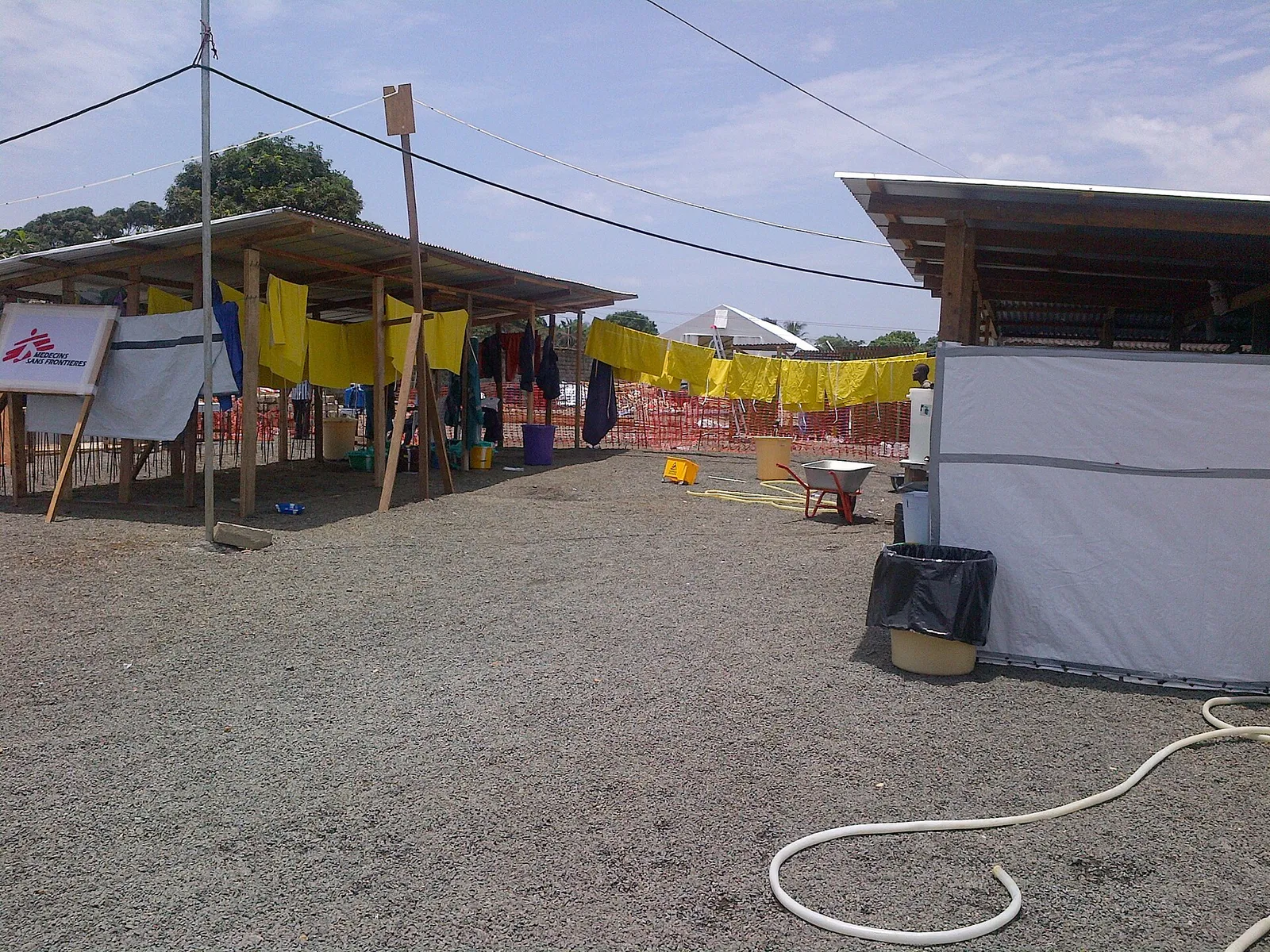
Ituri province, in the country's northeast, is the epicenter. As of June 23, the DRC Ministry of Health had reported 1,048 confirmed cases and 267 confirmed deaths, according to figures cited by the ECDC. A small number of cases have also been reported in neighboring areas and in Uganda. The WHO declared the outbreak a public health emergency of international concern in May, with its emergency committee issuing temporary recommendations. The Africa CDC has warned that population movements, fragile health infrastructure and insecurity in Ituri could complicate containment.
For people in France, health officials have emphasized that the confirmed case is isolated and being managed under established protocols, and that the everyday risk to the public remains very low.