After betting that artificial intelligence could take over quality inspection on its production lines, Ford has spent the past few years quietly reversing course — rehiring the experienced engineers it had hoped the technology would replace.
What happened at Ford
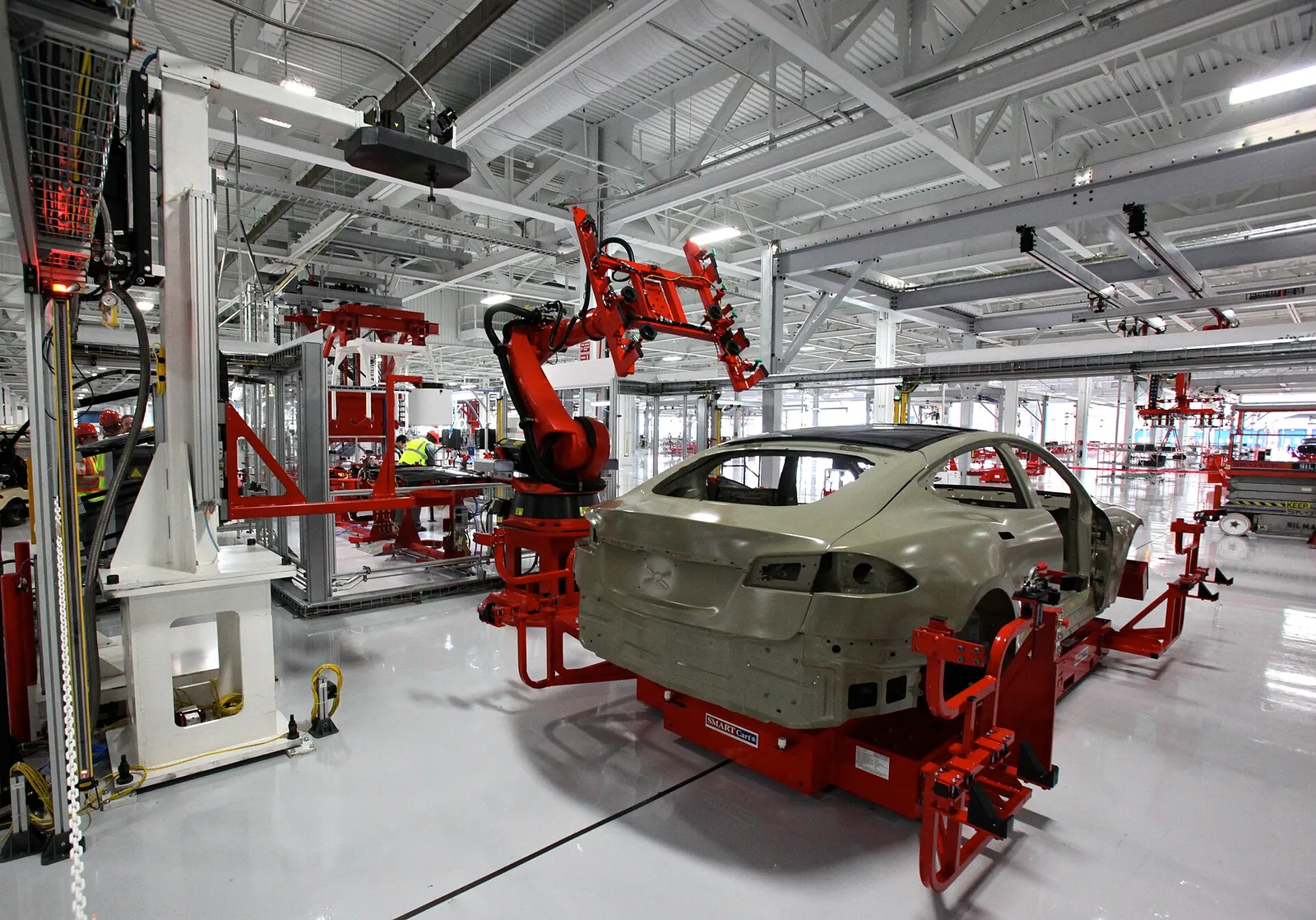
Over roughly three years, Ford has hired about 350 veteran engineers — many of them former employees, others drawn from suppliers — to tackle persistent quality problems that had cost the automaker dearly, Bloomberg reported. The company had moved to automate inspection with AI, but the systems fell short. A key reason, executives said, was that seasoned workers had left before their knowledge could be captured to train the algorithms, leaving the tools without a reliable foundation.
"Artificial intelligence is a fantastic tool, but it's only as good as the information you use to train it," Charles Poon, Ford's vice president of vehicle hardware engineering, told Fox Business. The returning engineers — known internally as "gray beards" — were put to work retraining the AI, mentoring younger staff and leading the kind of painstaking troubleshooting that automated systems alone had not managed.
The results, Ford says, have been striking: the company topped J.D. Power's closely watched Initial Quality Study among mainstream brands for the first time in 16 years, a turnaround it credits in large part to the rehired experts.
A broader pattern
Ford's experience chimes with a wider second-guessing of the rush to automate. Some companies that cut staff or handed work to AI have found themselves hiring people back when the technology struggled with tasks requiring judgment, context or the handling of unusual cases. The financial-technology firm Klarna, for instance, which had leaned heavily on AI for customer service, later moved to restore human agents after concluding the automated service was not good enough.
The common thread is the value of accumulated expertise. AI tools can be highly effective at routine, repetitive work, but veteran engineers and specialists carry institutional knowledge — an instinct for what tends to go wrong, and why — that has proven hard to encode.
Not the end of automation
None of this amounts to a rejection of artificial intelligence. Ford continues to use the technology, now with experienced staff guiding and checking it. The lesson companies appear to be drawing is one of balance: that AI and human expertise often work best together, with people supervising the systems and filling the gaps where automated judgment falls short. Whether that recalibration sticks, and whether other firms heed it before making similar cuts, remains to be seen.