The Democratic Republic of the Congo and the M23 armed group have agreed a roadmap for peace negotiations after five days of talks in Switzerland, held from August 17 to 21, according to Al Jazeera. The United States, Qatar, Togo, Switzerland and the African Union Commission mediated.
What was actually agreed
The roadmap sets out sequenced steps and timelines for negotiations under the framework agreement signed in Doha in November 2025. The parties agreed a standardised method for reporting ceasefire violations, and will set up a mechanism to address problems with implementation.
Read that list again and notice what is in it. It is a procedure for talking, and a procedure for recording when the existing ceasefire is broken. It is not a ceasefire, and it does not settle anything about territory, disarmament or political arrangements.
That is not a criticism. Agreements of this kind exist because the previous ones stalled, and the reason they stall is usually the absence of exactly this: an agreed way to say what happened, and an agreed order in which to discuss it. A standardised reporting method sounds bureaucratic and is in fact the thing that determines whether the next accusation becomes a documented incident or a collapse.
The test is on Monday
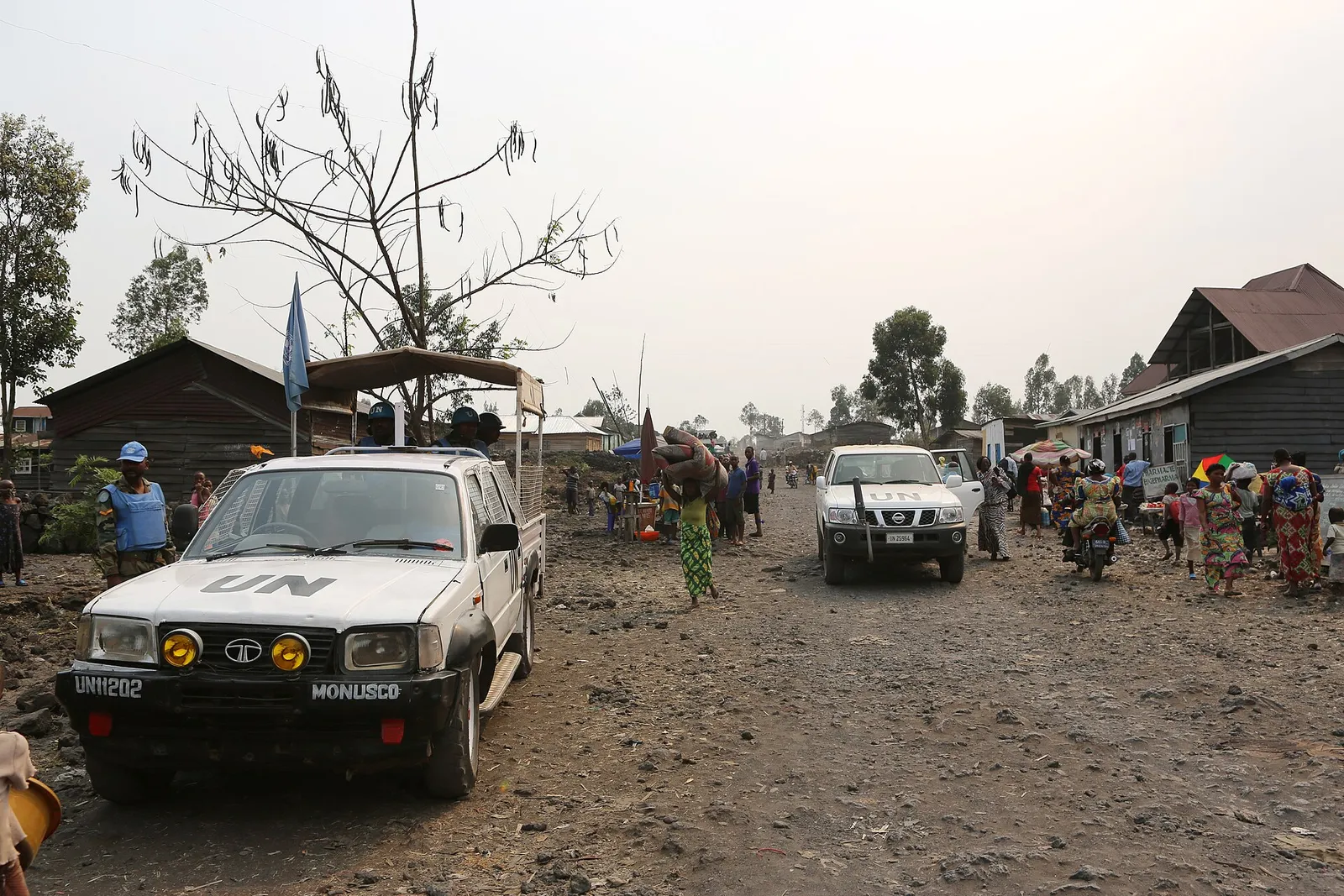
A ceasefire verification mission is due to arrive on Monday in Minembwe, in South Kivu province.
That is the first observable event in this process, and it comes four days after the roadmap was agreed. Whether it arrives, where it is allowed to go, and what it reports will say more about the parties' intentions than the document does.
What has not changed
M23 holds significant territory, including the provincial capitals of Goma and Bukavu, which it captured in early 2025. The fighting continues.
Lawrence Kanyuka, a spokesman for the AFC/M23, accused Congolese forces of launching drone attacks: "These bombings caused civilian casualties and significant damage to civilian infrastructure." That is his account and it is not independently confirmed in the report we read.
The dispute behind the dispute
The DRC, the United Nations and Western governments accuse Rwanda of backing M23 with troops and weapons. Rwanda denies it. Rwanda in turn accuses the DRC of supporting Hutu militias, which Kinshasa denies.
We are setting that out as a set of allegations and denials rather than as a fact, because that is its status. It is also the reason this conflict has proved so difficult to end through talks between the two named parties: if a third state is a participant, an agreement that does not include it is an agreement between the wrong people. The United States brokered a separate DRC-Rwanda deal last year, and the fighting continued.
What comes next
The roadmap's value will be measured by whether the sequence it sets out actually runs. Doha produced a framework in November; nine months later the parties have agreed how to schedule the discussions that framework envisaged. That is progress at the pace this conflict moves.
We verified this account from a single publication.