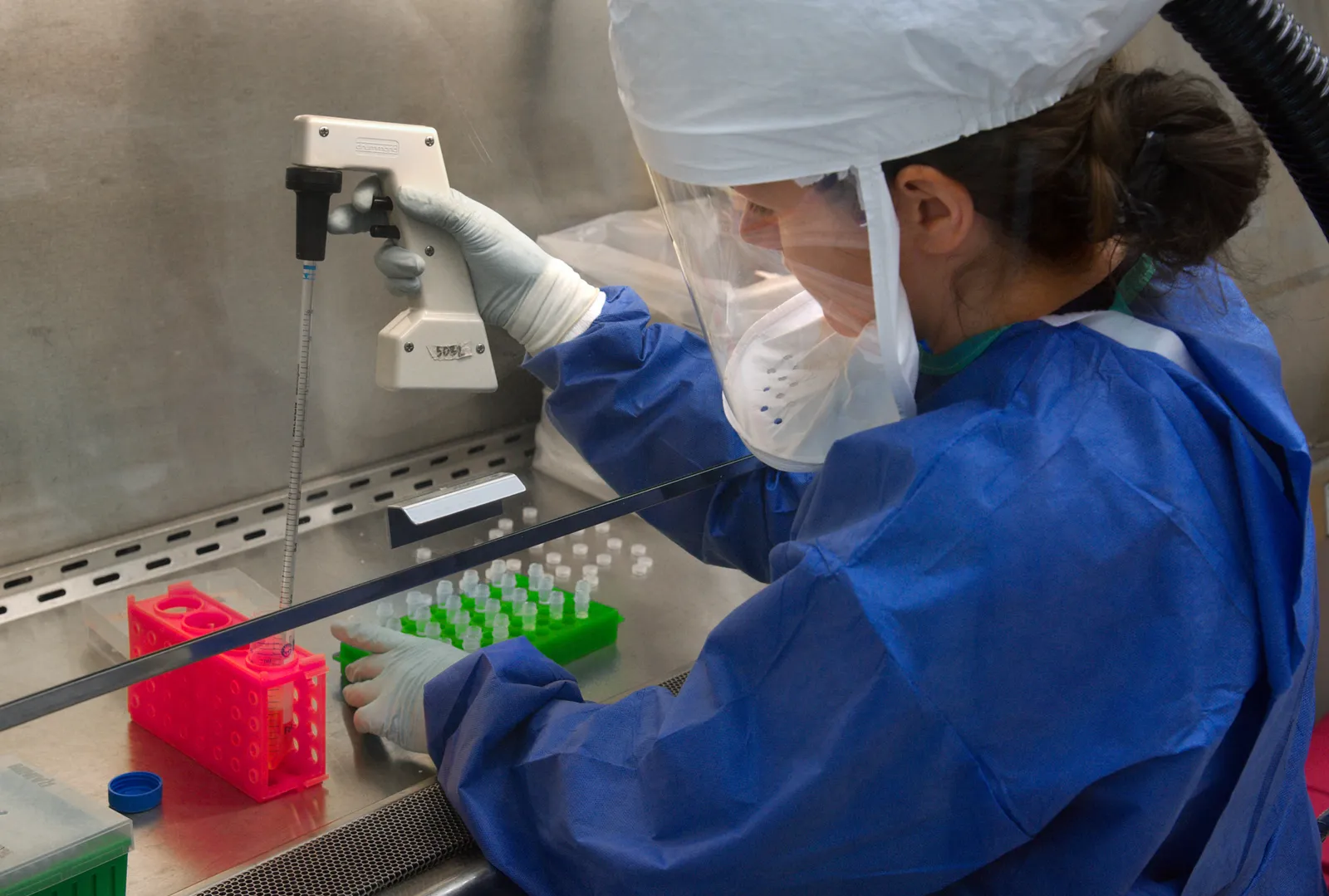
A decade after CRISPR burst out of the laboratory, the gene-editing technology that once seemed perpetually "a few years away" from the clinic is now being used to treat patients — a shift chronicled by Scientific American as the field moves from promise to practice.
What CRISPR does
CRISPR is often described as a pair of molecular scissors for DNA. A guide molecule steers the tool to a precise spot in the genome, where it can cut the genetic code so that a faulty gene can be disabled or corrected. The technique was powerful enough, and surprising enough, that its developers — Jennifer Doudna and Emmanuelle Charpentier — won the 2020 Nobel Prize in Chemistry. For years, though, its medical promise outran its delivery.
The first approved therapy
That changed with the arrival of Casgevy, the first CRISPR-based medicine to win regulatory approval. Developed by Vertex Pharmaceuticals and CRISPR Therapeutics, it treats sickle cell disease and a related inherited blood disorder, beta-thalassemia — conditions that can cause severe pain and a lifetime of transfusions. The treatment works outside the body: doctors collect a patient's own blood-forming stem cells, edit them to switch back on a beneficial form of hemoglobin, and reinfuse them. For patients in trials, the results were striking, many becoming free of the crippling pain crises that had defined their lives.
A widening field
Casgevy is only the most advanced of many efforts. Intellia Therapeutics is pursuing "in-vivo" editing — making the changes inside the body rather than in a lab dish — including for a degenerative disease called transthyretin amyloidosis. Beam Therapeutics and others are refining newer, more precise methods known as base and prime editing, which rewrite individual letters of DNA without cutting straight through the double helix, in the hope of reducing unwanted "off-target" edits. Editas Medicine and a growing roster of companies are chasing conditions from genetic disorders to high cholesterol.
Perhaps the most striking sign of where the field is heading came in 2025, when doctors reported treating an infant with a severe metabolic disease using a CRISPR therapy custom-built for that child's specific mutation — a glimpse of truly personalized medicine, albeit one whose cost and complexity are daunting.
The catch: cost and access
For all the optimism, the technology arrives with a heavy asterisk. A one-time treatment with Casgevy is priced at roughly $2 million per patient, placing it among the most expensive medicines ever sold and raising urgent questions about who will be able to get it. Most approved or near-approved CRISPR therapies also target rare diseases affecting relatively few people; scaling the approach to common conditions, or delivering it in poorer countries, remains unsolved.
Safety questions linger too. Off-target edits — unintended changes elsewhere in the genome — remain a concern, especially for therapies that edit cells inside the body, and patients will need to be tracked for years. None of that has dimmed the field's momentum: dozens of CRISPR-based treatments are now in clinical trials worldwide. The question, increasingly, is no longer whether gene editing can cure disease, but how widely — and how affordably — it will reach the people who need it.