Chanel has bought Charvet, the Parisian shirtmaker often described as the oldest in the world, in a deal that hands one of luxury's grandest names the keys to a nearly two-century-old house of craft.
The deal
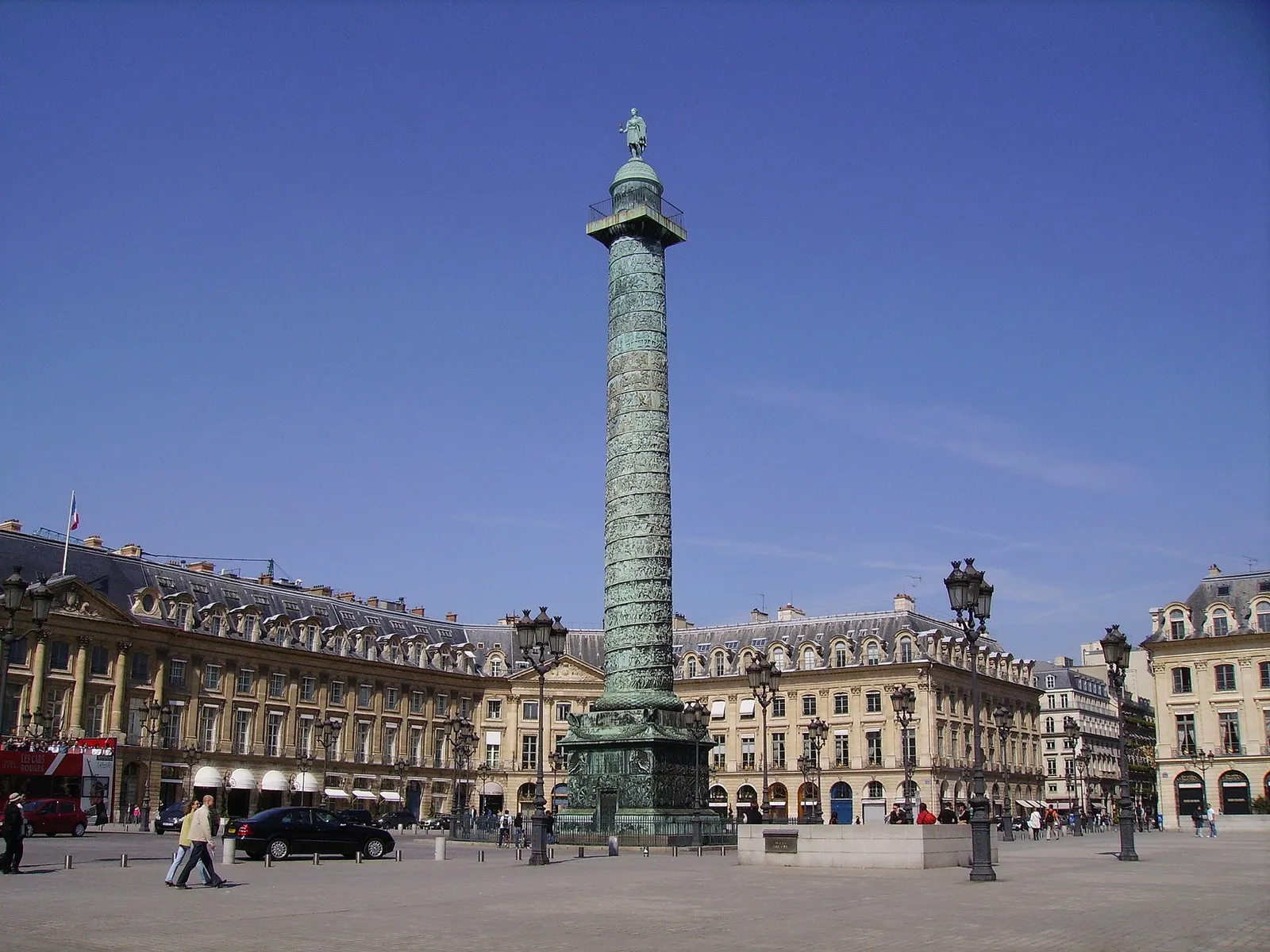
The acquisition was reported by Women's Wear Daily and The New York Times. Financial terms were not disclosed. Chanel is also said to be taking on Charvet's landmark premises on the Place Vendôme in central Paris, where the shirtmaker occupies a multi-floor building on one of the city's most exclusive squares.
For Charvet, the sale answers a question of succession. The company has been run for decades by the siblings Anne-Marie and Jean-Claude Colban, whose family bought it in the 1960s. In a statement carried by WWD, Jean-Claude Colban said the deal was "perfectly in keeping with the spirit and identity that have always defined our company."
A house of firsts
Charvet was founded in 1838 by Joseph-Christophe Charvet and is widely credited as the world's first dedicated shirtmaker's shop — a novelty at a time when tailors typically came to their clients rather than the other way around. It later established itself on the Place Vendôme, and over the generations dressed a long list of notable customers. Chanel's own history brushes against it: the house's founder, Coco Chanel, is said to have bought shirts there for Arthur "Boy" Capel, the great love of her life.
The shirtmaker is known for near-obsessive attention to materials, offering an enormous range of fabrics and colors. Bruno Pavlovsky, Chanel's president of fashion, described the appeal in almost reverential terms to WWD, saying that at Charvet "there's not one blue, there are 500 blues," and calling the brand "a beautiful jewel."
Why Chanel wants it
The purchase follows a creative link forged when Chanel's new artistic director, Matthieu Blazy, worked with Charvet on shirts for his debut collection. But it also fits a wider strategy in the luxury industry. In recent years, big houses have been buying up specialist suppliers and craft workshops — tanneries, embroiderers, button-makers and the like — to protect the traditional skills, or savoir-faire, that underpin high-end goods, and to keep rivals from cornering scarce expertise.
Chanel has been especially active, adding a range of artisanal businesses to its portfolio and taking stakes in manufacturers to secure its supply chain. Bringing Charvet in-house extends that approach into shirtmaking, blending the preservation of a heritage name with hard commercial logic.
The bigger picture
For a company like Charvet, the appeal of a deep-pocketed owner is continuity: the money and stability to keep making things the slow, old-fashioned way. For Chanel, the prize is the craft itself — the kind of rare, hand-built expertise that cannot be quickly recreated, and that increasingly sets the most expensive brands apart. As luxury growth cools and shoppers grow choosier, houses are betting that authenticity and heritage, not just scale, will define who thrives. In that contest, a 19th-century shirtmaker on the Place Vendôme has become a prize worth owning.