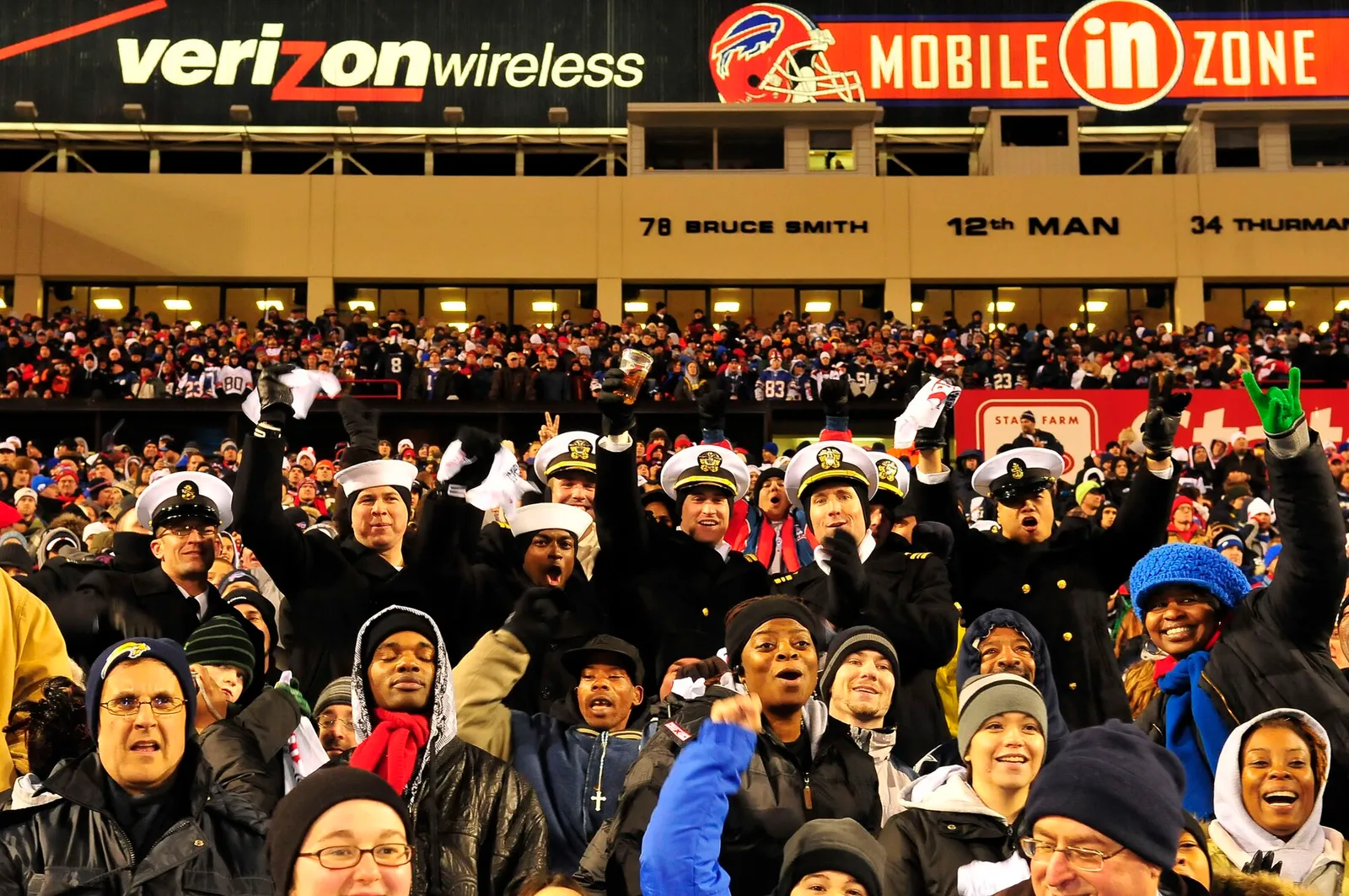
The Buffalo Bills held a ribbon-cutting on Tuesday for their new Highmark Stadium, the franchise's first new home in more than half a century and one of the most expensive publicly subsidized sports projects in the United States.
A rising price tag, a large public share
The roughly 60,000-seat venue in Orchard Park opened with appearances by team owner Terry Pegula and Governor Kathy Hochul. The project's final cost reached about $2.1 billion, up from an original budget near $1.4 billion, ESPN reported. About $850 million of that came from public funds — roughly $600 million from New York State and about $250 million from Erie County under a 2022 deal announced by Hochul's office — with the remaining $1.25 billion covered by the Bills and the NFL. The team has said it offset part of its share through about $263 million in seat-license sales.
Supporters cast the public money as the price of keeping the Bills — a civic fixture in western New York — from leaving. State and team officials have pointed to construction employment and to the franchise's role in regional identity and tourism. The Bills are scheduled to play their home opener at the new stadium on September 17 against the Detroit Lions.
What the economic research says
The academic literature on stadium subsidies is, by contrast, strikingly one-sided. Economist J.C. Bradbury of Kennesaw State University and colleagues reviewed more than 130 studies of sports-venue economic outcomes published between 1974 and 2022 and concluded that local economic activity is "by and large unaffected" by stadiums, and that subsidies typically exceed any measurable benefit, as summarized by Journalist's Resource.
The core argument is that spending at a stadium largely substitutes for money residents would have spent elsewhere in the local economy — on restaurants, entertainment or other leisure — rather than creating new activity. Critics also note that construction jobs are temporary and that many game-day positions are seasonal and part-time.
There is a federal dimension, too. A Brookings Institution analysis has estimated that tax-exempt municipal bonds used to finance stadiums have cost the federal government billions in foregone revenue since 2000, effectively spreading the subsidy to taxpayers nationwide who may never attend a game.
A trade that blends economics and identity
Not every analysis frames the Buffalo deal as a clear loss. Some local commentators have argued the arrangement may look less lopsided once lease terms, the team's local spending and the avoided risk of relocation are weighed — though even sympathetic assessments stop short of claiming a net economic windfall.
The Bills' stadium also arrives amid what policy researchers describe as a new wave of subsidized construction, with public commitments to NFL and other franchises growing in recent years. For Buffalo, the calculation has always blended economics with something harder to price. Officials have repeatedly framed the deal not as an investment expected to turn a profit, but as the cost of keeping a team many in the region consider part of the community's identity. Whether that trade is worth $850 million in public funds is a judgment that economists, lawmakers and fans continue to weigh differently.