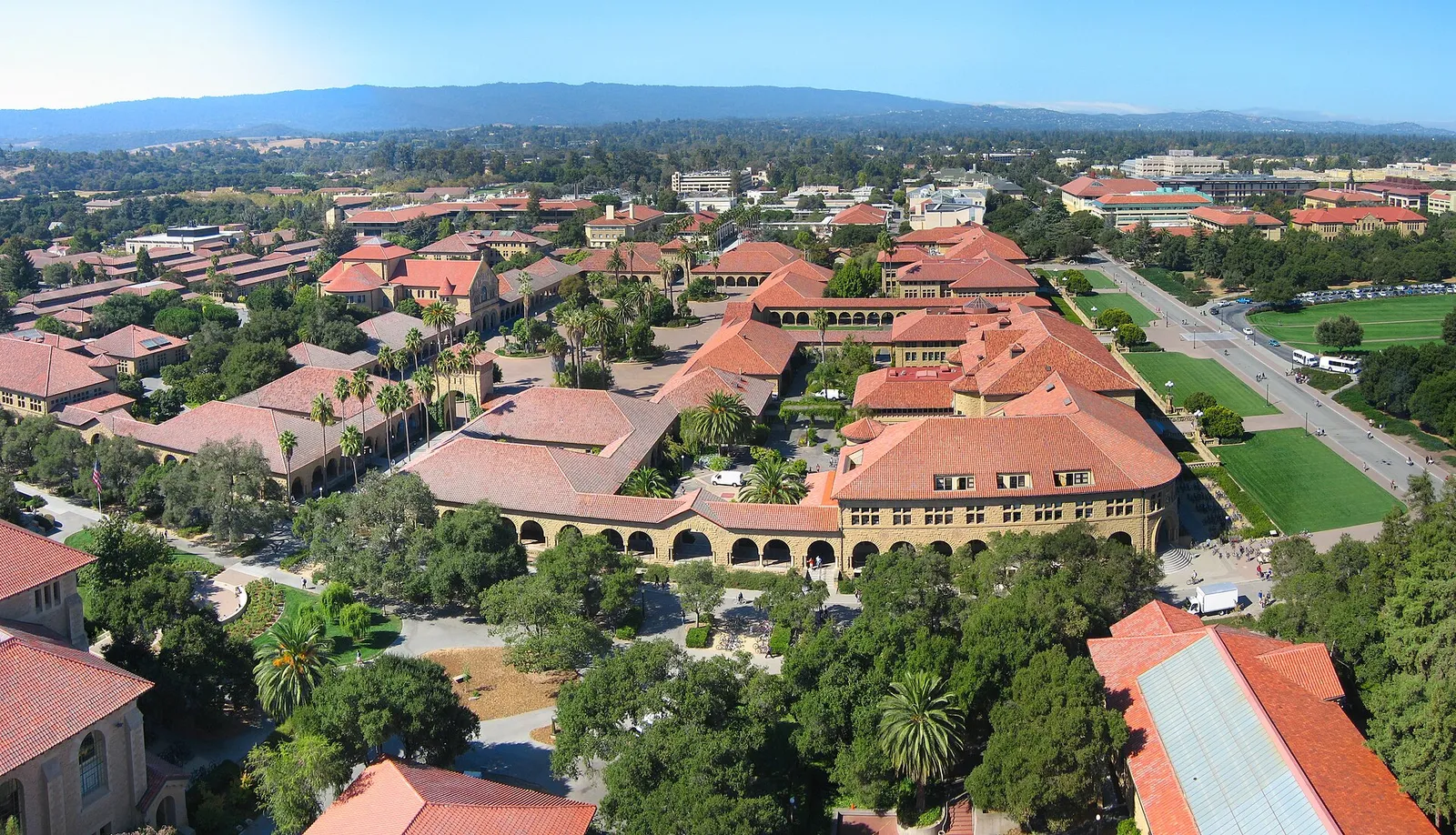
For decades, a software-engineering degree from an elite university functioned as something close to a guarantee. A diploma from Stanford, in particular, was described by graduates and recruiters alike as a "golden ticket" into the best-paid corners of the technology industry. In 2026, some of those same graduates say the ticket has been downgraded — and many point to artificial intelligence. Whether AI is truly the cause, or a convenient scapegoat for a softer job market, is itself contested.
The first rung is thinning
The anxiety is not purely anecdotal. Research from Stanford's Digital Economy Lab — a study titled "Canaries in the Coal Mine?" drawing on payroll records from ADP, the largest US payroll provider — found that entry-level workers in AI-exposed fields such as software engineering saw a roughly 13 percent relative decline in employment since late 2022, even as employment for older workers in the same roles held steady or rose.
The logic is uncomfortable for new graduates. Generative AI has made experienced engineers more productive, but partly by automating the routine tasks — logging data, running diagnostics, writing boilerplate code — that once filled a junior developer's first years and taught them the trade. Reporting by Rest of World found the number of fresh graduates hired by large technology firms has fallen sharply, with recent graduates making up a small share of new hires.
'Bronze, not gold'
The sense of a devalued credential is felt even at Stanford. Recent graduates have described a degree once worth "gold" as feeling more like "bronze," surprised by the scarcity of offers. Some are responding by staying on campus, with rising enrollment in fifth-year master's programs as graduates add AI specialization and wait out the turbulence. Undergraduate interest is wobbling too: computer-science enrollment has dipped after a generation-long boom, according to figures reported by Yahoo Finance.
Scapegoat or structural shift?
Not everyone accepts the darkest reading. A Stanford Review analysis argues AI has become a "convenient scapegoat," attributing much of the slump to transient forces such as interest-rate cycles and post-pandemic over-hiring rather than automation. Labor economists have long observed that technology destroys some tasks while creating others; the work of Daron Acemoglu and Pascual Restrepo suggests AI will eliminate some junior tasks while spawning new roles in areas such as AI oversight, data annotation and AI-driven entrepreneurship.
The market data offers ammunition for optimists. PwC's 2026 Global AI Jobs Barometer, which analyzed more than a billion job advertisements across 27 countries, found that wages for workers with AI skills now carry an average premium of around 62 percent, and that postings requiring AI skills are growing far faster than the overall market. The same report warns of a "new divide": entry-level roles most exposed to AI increasingly demand traditionally senior human skills — leadership, creativity, judgement — than before.
The mobility question
That divide is where the social stakes lie. If the entry-level rung is the ladder's first step, automating it risks pulling up the ladder behind those already established. The World Economic Forum projects a net global gain in jobs by 2030, but net figures conceal painful transitions for individuals trying to break in.
For now, the elite tech graduate sits in an uneasy place: still better positioned than most, yet no longer holding a guaranteed pass. Whether AI ultimately widens opportunity or narrows it may depend less on the technology than on whether employers choose to rebuild the rungs it has removed.