Sudden cardiac death is one of medicine's most frustrating problems: it strikes with little warning, and doctors have long struggled to predict who is most at risk. New research suggests artificial intelligence may help.
A signal the eye can't see
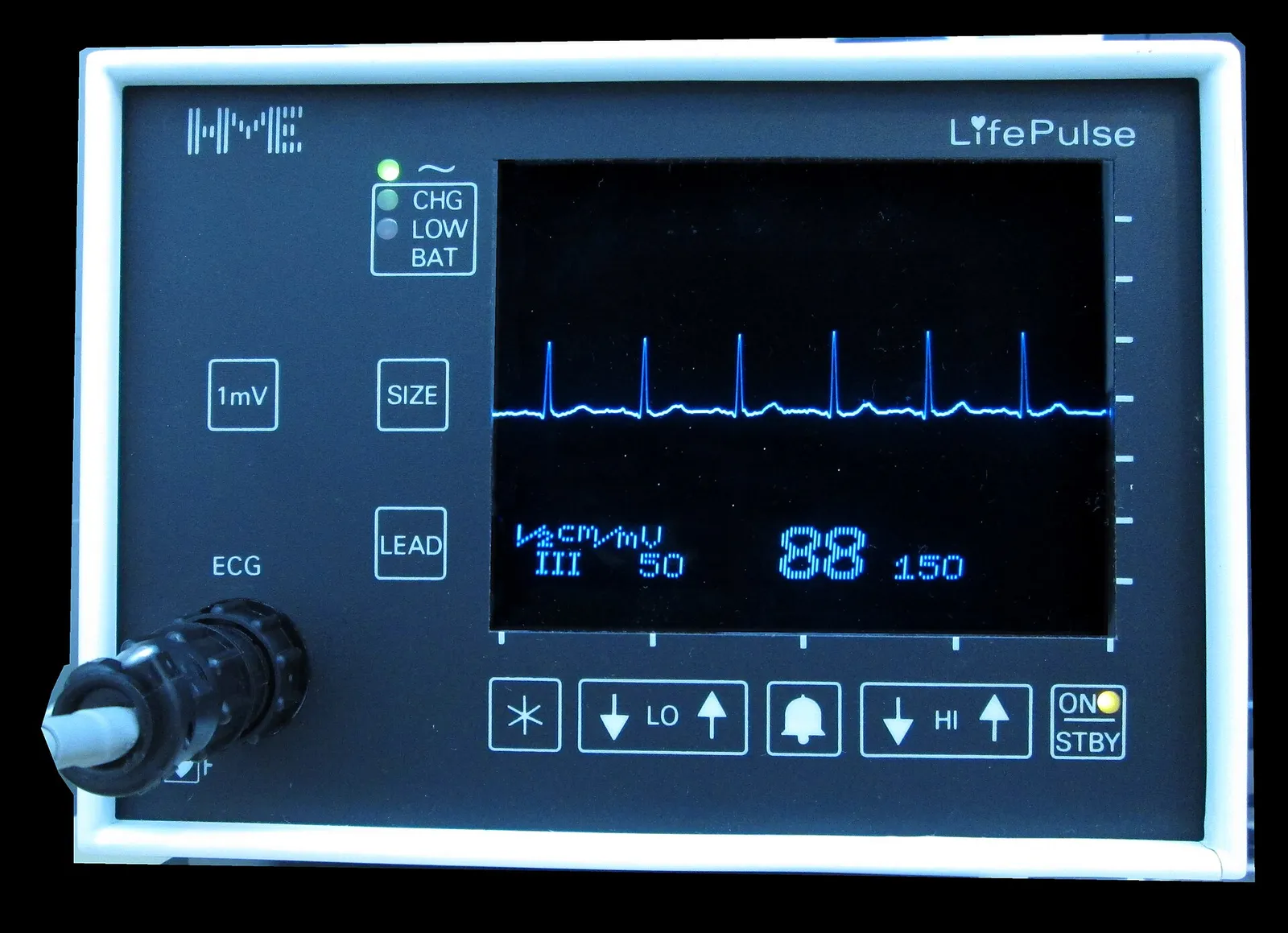
In a study published in the journal Nature and reported by Scientific American, scientists at the University of California, Berkeley, Johns Hopkins University and Cedars-Sinai Medical Center trained a deep-learning model on electrocardiograms — the cheap, ubiquitous tests that record the heart's electrical activity. The system learned to detect a faint "slurring" in one of the ECG's leads, a sign of disorganized electrical signals passing through the heart muscle that human readers do not pick up, and which is associated with a heightened risk of sudden cardiac death.
How it was tested
The researchers built the model using more than 440,000 electrocardiograms from roughly 180,000 patients in Sweden whose records were linked to later health outcomes over six years, then checked its performance against separate sets of patient data from San Diego and Taipei.
The model flagged about 2.2 percent of patients as high risk. Those it singled out went on to suffer sudden cardiac death at a notably higher annual rate than patients identified by the standard measure — which gauges how strongly the heart pumps — and, crucially, it caught many people whose conventional test results had looked normal.
Why it could matter
Sudden cardiac death kills hundreds of thousands of people a year in the United States alone, and existing tools identify only a fraction of those at risk in advance. Because electrocardiograms are inexpensive and performed everywhere, a tool that wrings more information out of them could, in principle, help doctors spot high-risk patients earlier and consider preventive steps such as closer monitoring or an implantable defibrillator.
A long way from the clinic
The researchers were emphatic that the technology is not ready for patients. The model performs less well on the lower-quality recordings produced by consumer heart-monitoring gadgets, and the biological meaning of the pattern it detects still needs to be confirmed. Above all, the findings must be validated in larger, more diverse populations and in prospective trials — in which doctors actually use the predictions and researchers measure whether outcomes improve — before any clinical use. Ziad Obermeyer, a UC Berkeley researcher involved in the work, framed it as an early sign of how AI might reshape medicine, while stressing that real-world deployment remains years away. For now, it is a promising lead: evidence that a familiar, decades-old test may still be hiding clues worth reading.