The 2026 Iran war lasted less than four months, but its effect on the world's fertilizer supply has outlived the ceasefire. For farmers in some of the poorest countries, the most damaging consequence may only now be reaching the field.
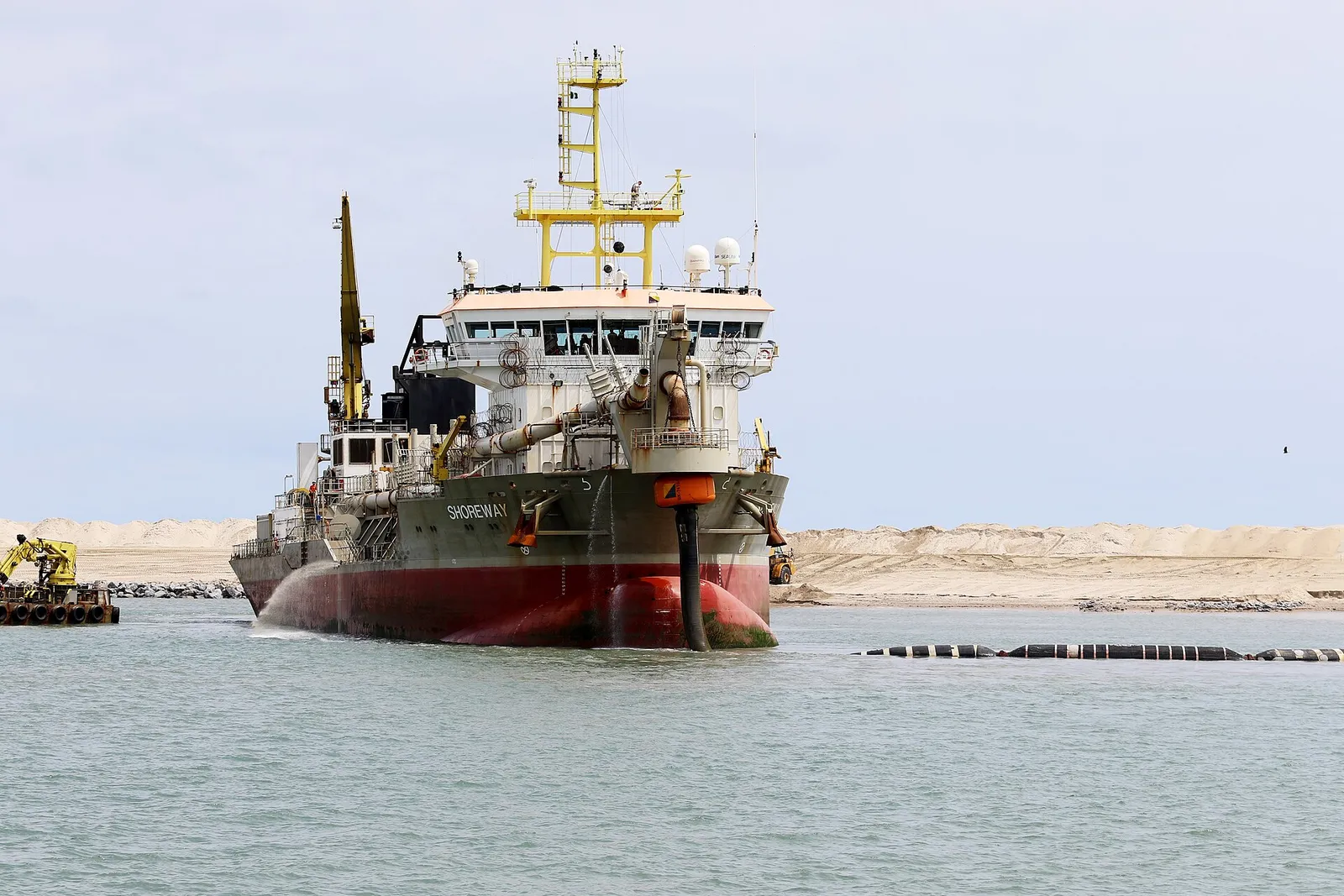
The economic chokepoint was the Strait of Hormuz, the narrow Gulf passage through which a large share of the world's fertilizer trade flows. With shipping disrupted at the height of the fighting, the cost of the key inputs that farmers rely on to grow staple crops jumped — and analysts warn the squeeze typically peaks months after the shooting stops.
Why fertilizer, and why it lingers
The Gulf is central to the fertilizer trade. About 36 percent of global urea exports and 29 percent of ammonia exports came from Gulf countries in 2023–25, with Iran and Qatar among the largest suppliers, according to the International Food Policy Research Institute (IFPRI). Roughly 30 percent of global fertilizer trade passed through the Strait of Hormuz in 2024, the institute says.
The Center for Strategic and International Studies (CSIS) estimates that about 34 percent of seaborne urea and 23 percent of ammonia exports normally transit the strait. With the corridor disrupted at the peak of the war, roughly 1.3 million tonnes of fertilizer a month could no longer move through it, with no viable land route, IFPRI says.
The price response was steep. CSIS reported global urea futures around $693 a tonne, up 49 percent since the war's onset, with retail urea in the US state of Illinois up about 42 percent and ammonia up roughly 18.5 percent. Crucially, the agency noted that the price impact tends to peak about four months after a conflict begins — meaning the pressure persists well after a ceasefire.
Nitrogen fertilizers move first because they are made from natural gas, and about 20 percent of globally traded liquefied natural gas also transits Hormuz, per IFPRI. Added supply is not expected to close the gap soon: global nitrogen capacity is forecast to rise only about 4 percent in 2026 over 2024, which IFPRI calls insufficient to offset the disruption.
The sharpest edge falls on smallholders
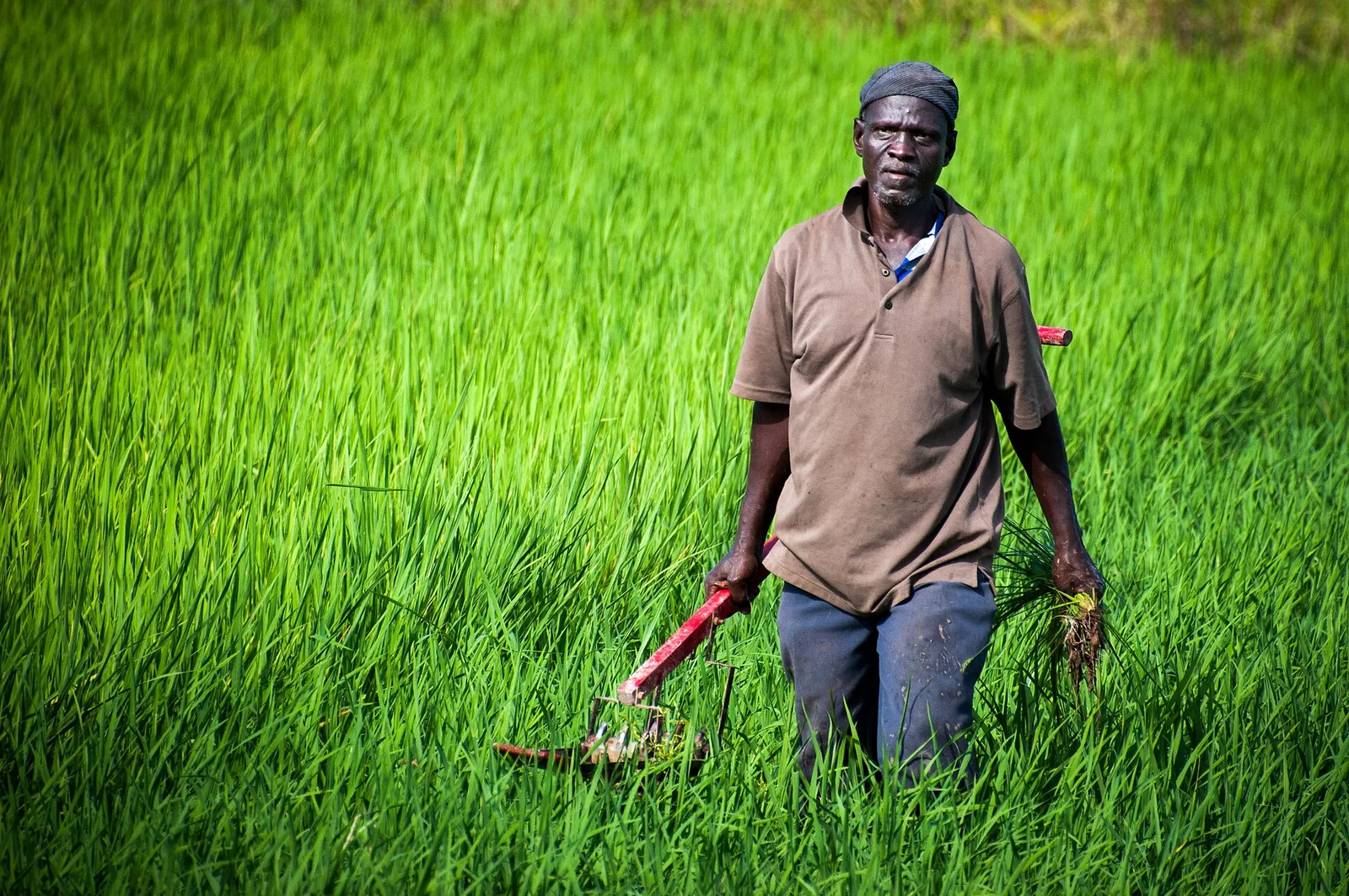
The burden is unevenly distributed. Large commercial farms often buy inputs early and hold cash reserves; smallholder farmers typically cannot. In sub-Saharan Africa, smallholders grow nearly 70 percent of the food, and about 80 percent of the region's fertilizer is imported — frequently at higher delivered cost than in Europe because of freight and logistics, according to an analysis published by Al Jazeera.
The mechanism is straightforward economics. When input prices rise faster than crop prices, farmers apply less fertilizer rather than none — and yields fall at the margin. The Food and Agriculture Organization, cited in the same analysis, estimates that even a 10 percent reduction in fertilizer availability could translate into up to 25 percent less maize, rice and wheat in sub-Saharan Africa. India, Pakistan, Bangladesh and Türkiye are also exposed because they rely heavily on Gulf gas to manufacture fertilizer domestically, IFPRI notes.
A forecast, not yet a famine
Much of the food-security toll remains a projection rather than a measured outcome. CSIS cites a World Food Programme estimate that an additional 45 million people could face acute hunger if the conflict's effects persist and oil prices stay elevated — a scenario, not a confirmed count.
The timing matters most for the 2026 planting season, the near-term window analysts flag as decisive. Whether the threat hardens into a hunger crisis will depend on how fast Hormuz traffic normalizes, where global gas prices settle, and whether governments cushion smallholders. The African Development Bank's emergency facility has delivered 3.5 million tonnes of fertilizer to nearly 16 million farmers across 35 countries since 2022, per the Al Jazeera analysis — a measure of how large the gap could become.