When crude oil falls, many drivers expect the pump price to drop in step. It rarely does — and the reason is that the price of crude is only one part of what you pay at the station.
What's in a gallon
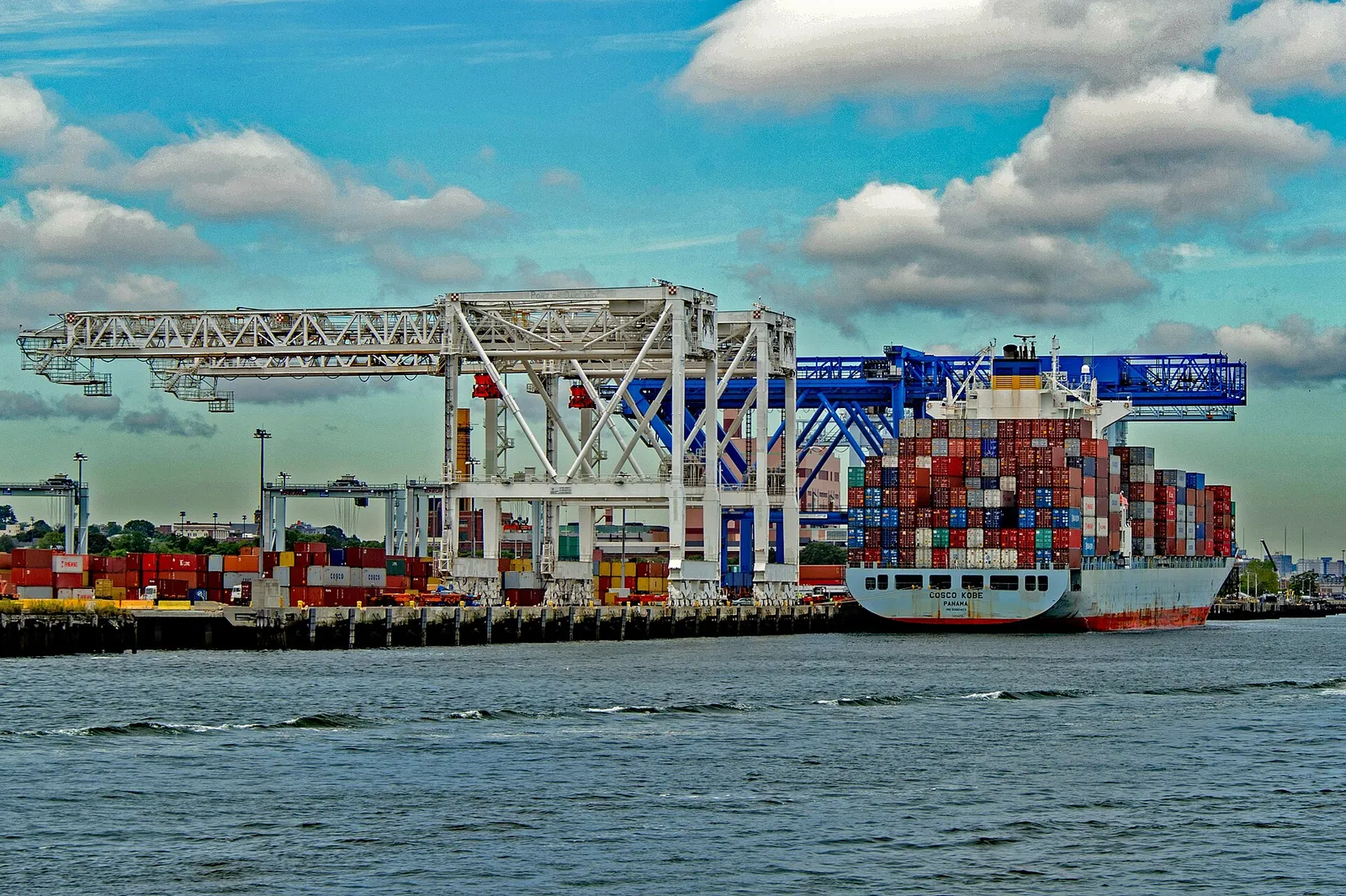
The US Energy Information Administration breaks the retail price of gasoline into four parts. Crude oil is the largest — roughly half — but the rest is made up of refining costs and margins, distribution and marketing, and taxes. Because crude is only about half the total, a 20% fall in oil translates, all else equal, into something closer to a 10% cut at the pump before anything else gets in the way.
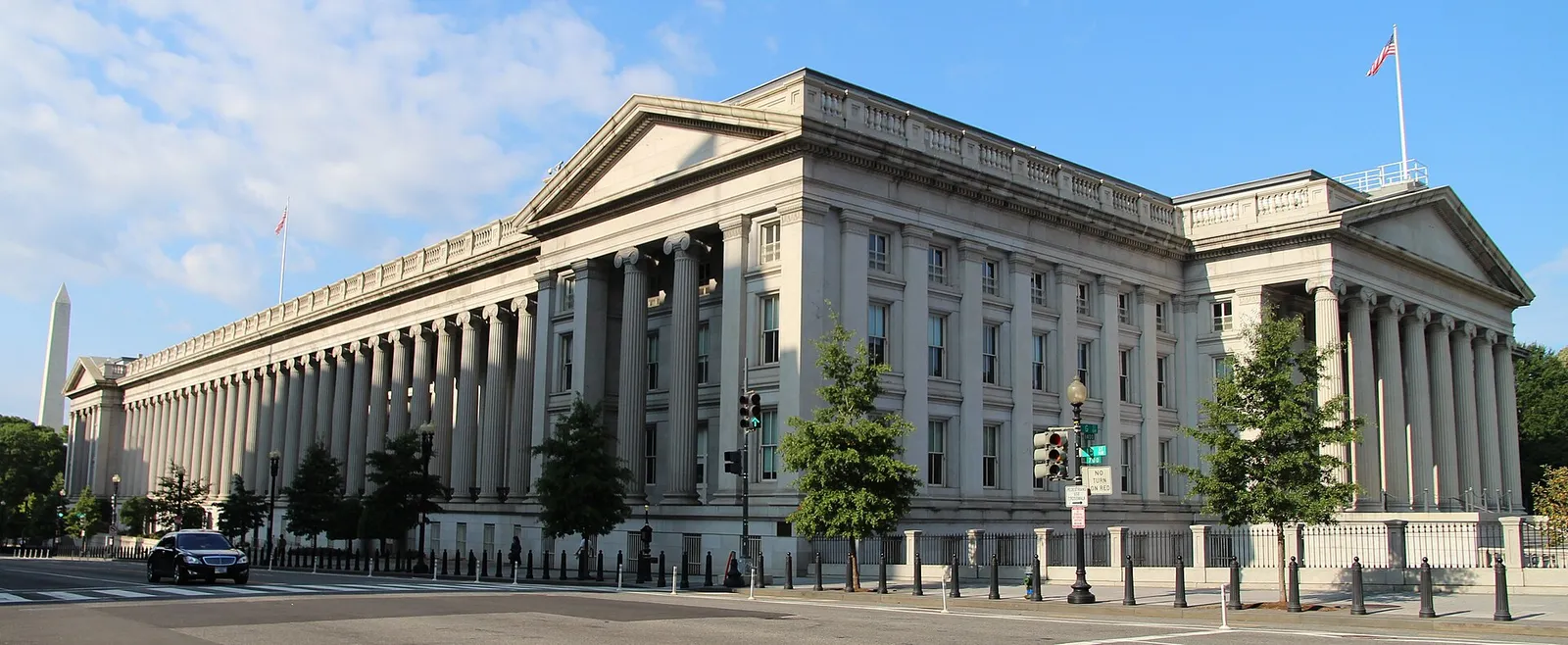
Two of those components barely move with oil at all. The federal gasoline tax is fixed at 18.3 cents a gallon, and state taxes — which the EIA puts at an average of about 34 cents a gallon — do not fall when crude does. Distribution costs, from pipelines and trucking to a station's wages and rent, are similarly sticky. Together they put a floor under the price that no drop in crude can push through.
The refiner's cut
Between the barrel and the nozzle sits the refinery, and the margin refiners earn — known as the "crack spread" — can widen or narrow on its own. When refineries are running flat out and competing to sell, that margin compresses and more savings reach drivers. When refining capacity is tight — because of seasonal maintenance, an outage, or the switch to costlier summer-grade fuel that US clean-air rules require — refiners keep more of any windfall. That summer switch, the EIA notes, happens every spring, adding cost at exactly the time crude might be falling for reasons unrelated to fuel demand.
Rockets up, feathers down
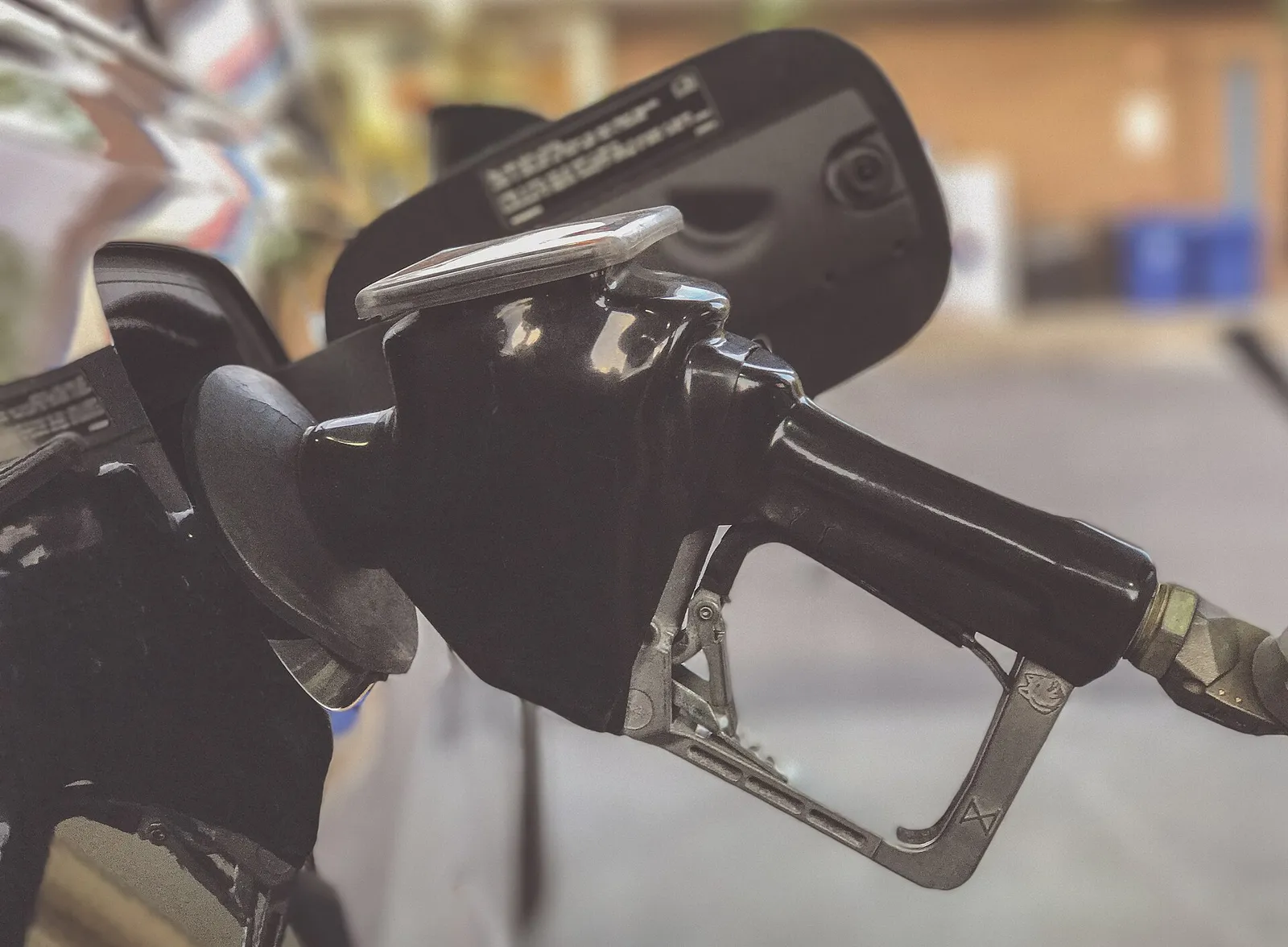
Economists have a name for the pattern drivers sense intuitively: "rockets and feathers." When crude rises, pump prices shoot up within days; when crude falls, they drift down slowly, like a feather. Retailers who bought fuel when wholesale prices were high are reluctant to sell at a loss while they clear inventory, and in a thin-margin business they are quicker to match a rival's increase than its cut. Contracts and delivery schedules add further lag between the crude price on a screen and the number on the sign.
Demand is working against drivers too. EIA data over two decades show US gasoline prices averaging roughly 40 cents a gallon higher in August than in January, reflecting the summer driving peak — and little commercial reason to pass crude savings through while tanks are filling.
The map matters
National averages hide big regional gaps. As of late June, the EIA recorded West Coast prices well above five dollars a gallon while the Gulf Coast sat in the mid-threes — a spread of more than a dollar and a half. California, with its own mandated fuel blend and limited pipeline links to other refining hubs, was the most expensive. Those local rules mean a fall in globally traded crude does not reach every region equally; tight local supply can hold prices up even as the headline barrel drops. The national pump average has been easing — AAA put regular unleaded a few cents lower than a week earlier in late June — but it remained well above year-ago levels.
What to expect
Analysts generally see further, gradual relief if crude stays subdued — but only partial. Taxes won't move, distribution costs won't fall, and the summer demand peak won't ease until autumn. Refining margins may narrow as maintenance season ends. The upshot, baked into the very structure of the pump price, is a slow and uneven descent rather than a sharp one.