The Trump administration has set out the economic measures against Iran it had been trailing, and they extend well beyond Iran, Al Jazeera reports.
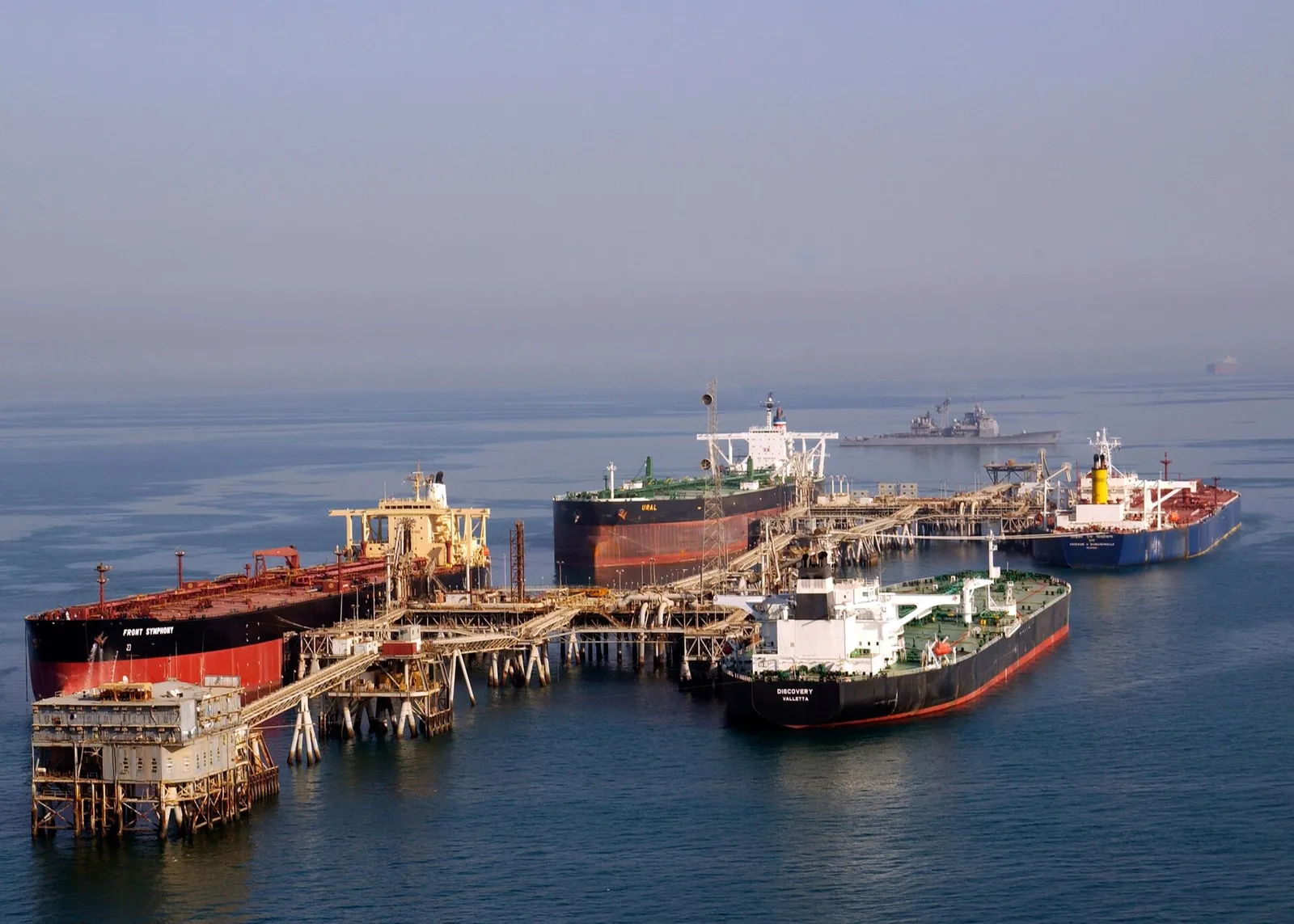
The package targets Iranian oil exports and includes a naval blockade of Iranian ports. It also covers the companies, brokers and tankers that move Iranian oil, along with oil smuggling, swap lines, cash transfers, exchange houses and front companies. Scott Bessent, the treasury secretary, called it "the toughest sanctions in history" and said: "It is going to collapse this regime."
President Donald Trump announced the plan on social media, calling it an "ECONOMIC D-DAY". The capitals are his.
The part that reaches other countries
Trump's warning was addressed to third parties: "ANY country that allows its financial institutions, businesses, airports, or government entities to provide any type of lifeline to Iran will itself face TREMENDOUS Economic Consequences." Bessent put the same point in five words: "You're either with us or against us."
This is what makes the package unusual in scale rather than in kind. Secondary sanctions work by forcing a choice between access to the American financial system and business with the target, and most institutions choose the former. They are effective for that reason, and contentious for the same one: a bank in a third country that has broken no law of its own can be penalized for a transaction its government permits.
The number that decides whether it works
China bought 80 percent of Iran's shipped oil in 2025.
That single figure carries most of the outcome. A campaign to end Iran's oil sales is, in practice, a campaign to stop Chinese refiners and the intermediaries that serve them from buying, which is a question about the United States and China rather than about Iran. It is also why the measures land in the middle of a broader trade relationship rather than in isolation.
Iran's answer
Esmaeil Baghaei, the Iranian foreign ministry spokesman, described the measures as "an assertion of extraterritorial sovereignty" that violates UN principles. That is the standard legal objection to secondary sanctions and it is a serious one, though it has not previously stopped them.
Mohsen Rezaei said: "Any country that takes part in imposing economic restrictions on us will be regarded as an enemy." Iran has also warned it would restrict Gulf oil exports if its neighbours join the sanctions, a threat we reported yesterday.
So both sides are now pressing the same third parties from opposite directions. A Gulf state or an Asian refiner is being told by Washington that trading with Iran carries economic consequences, and by Tehran that supporting the sanctions makes it an enemy. That squeeze, rather than the effect on Iran itself, is the most likely place for something to break.
What we could not establish
We could not establish when the measures take effect, their legal instrument, how a naval blockade would be enforced or under what authority, whether any allied government has responded, or how oil markets have moved. We verified this account from a single publication, and the characterizations of the package are the administration's own.