For most of the past decade, Venezuela's economy was shorthand for catastrophe — hyperinflation, a collapsing oil industry and the exodus of more than seven million people. Lately, though, it had begun, cautiously, to climb back. The earthquakes that struck on June 24 now threaten that recovery at its most exposed point.
A fragile rebound
A mix of de facto dollarization, looser currency controls and firmer oil prices had pulled Venezuela into a stretch of growth. Analysts at Americas Quarterly projected GDP growth of roughly 12% for 2026 — potentially the fastest in Latin America — as oil exports resumed and some US sanctions were eased under renewed engagement with the government of Nicolás Maduro. Crude output climbed back above one million barrels a day, with foreign partners including Chevron, Repsol and Eni operating under flexible licenses.
The recovery was real but shallow. Inflation still ran in the hundreds of percent, and more than 20 million of Venezuela's roughly 32 million people were already living in poverty, according to figures cited by Al Jazeera. The rebuilt economy rested on a narrow base — chiefly oil and a dollarized consumer sector — with little cushion to absorb a major shock.
The damage
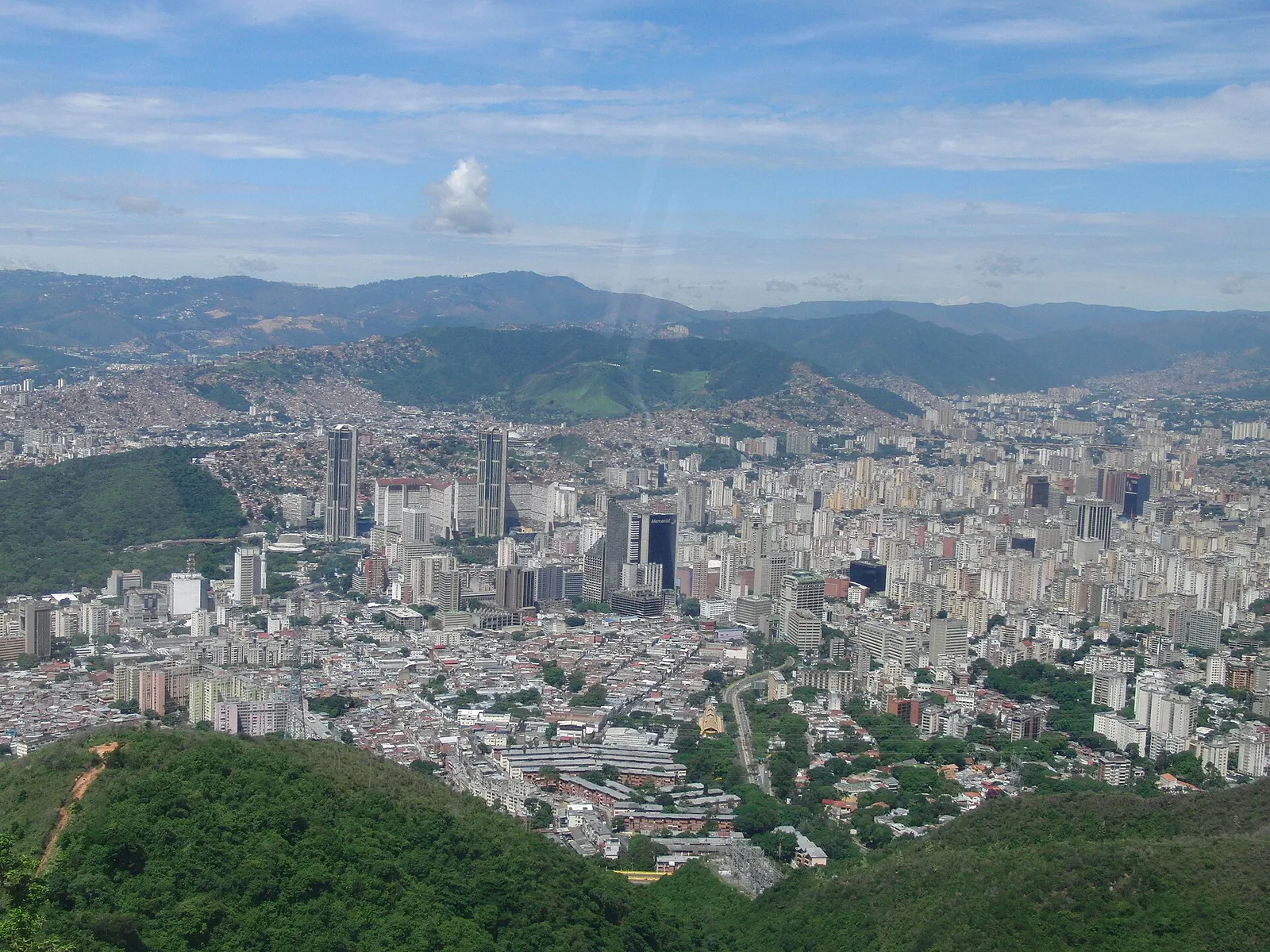
That shock arrived along the Caribbean coast. The twin quakes — newsparlor has reported separately on the rescue effort and the toll of more than 920 dead — caused their worst destruction in La Guaira, the port city that serves as the main gateway between the sea and Caracas. Hundreds of buildings collapsed there, and the nearby Simón Bolívar International Airport was heavily damaged and closed to commercial flights, choking a key route for both passengers and cargo.
Early loss estimates are wide but large. The UN Development Programme put direct housing and economic damage at roughly $4.7 billion to $8.7 billion — on the order of 6% of GDP — while excluding wider infrastructure and long-term disruption, according to summaries of the assessment. The US Geological Survey's modeling put the plausible range of total losses far higher.
Oil holds — for now
The most important piece of stabilizing news is that Venezuela's oil sector appears largely unscathed. The fields and refineries that generate the bulk of state revenue lie in the country's interior and west, away from the coastal disaster zone, and operators including Chevron, Eni and Repsol said their Venezuelan operations were unaffected, according to MarketScreener. Had production been knocked offline, the fiscal blow would have been immediate and severe.
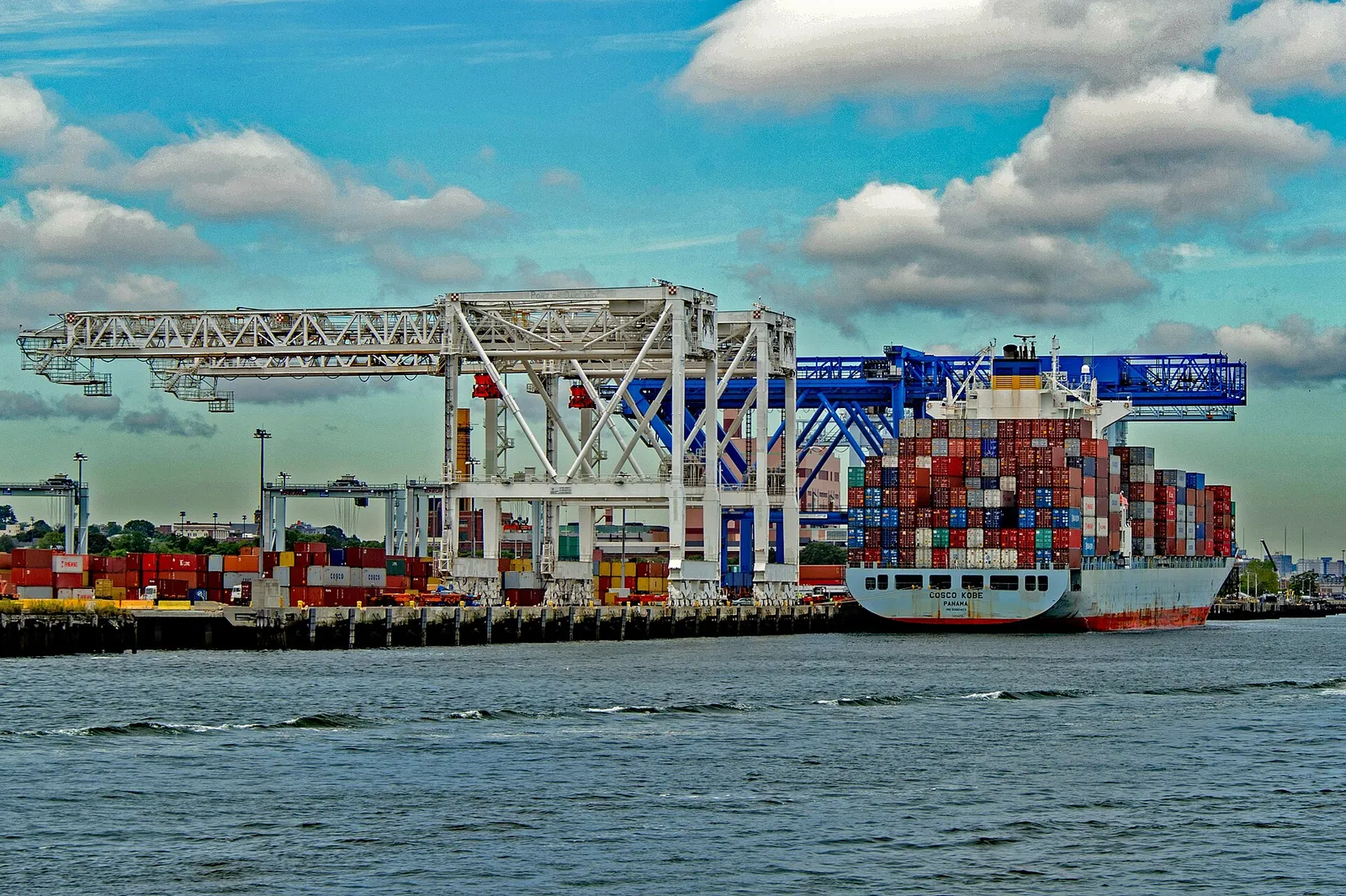
But the port of La Guaira, through which much of Venezuela's imported goods flow, is another matter. Prolonged disruption there would raise costs and slow the supply of the imports that a dollarized economy now depends on.
A test of the recovery
Aid has begun to flow. The United States pledged $150 million in emergency assistance, channeled through a UN humanitarian fund and aid groups already in the country, NPR reported, and Venezuela's government announced a reconstruction fund. Both sums are modest next to the UNDP's damage estimate. Analysts say serious rebuilding will require sustained foreign support — and, some argue, further adjustments to the sanctions framework to let capital and materials reach the country.
The quakes do not return Venezuela to the depths of its earlier collapse: oil keeps flowing, and some momentum remains. But they have exposed how thin the country's margin for error is, and how much of its recovery runs through a single coastal corridor that now lies in ruins. For Venezuelans who had begun to believe the worst was behind them, it is a hard reminder of how fragile that belief was.