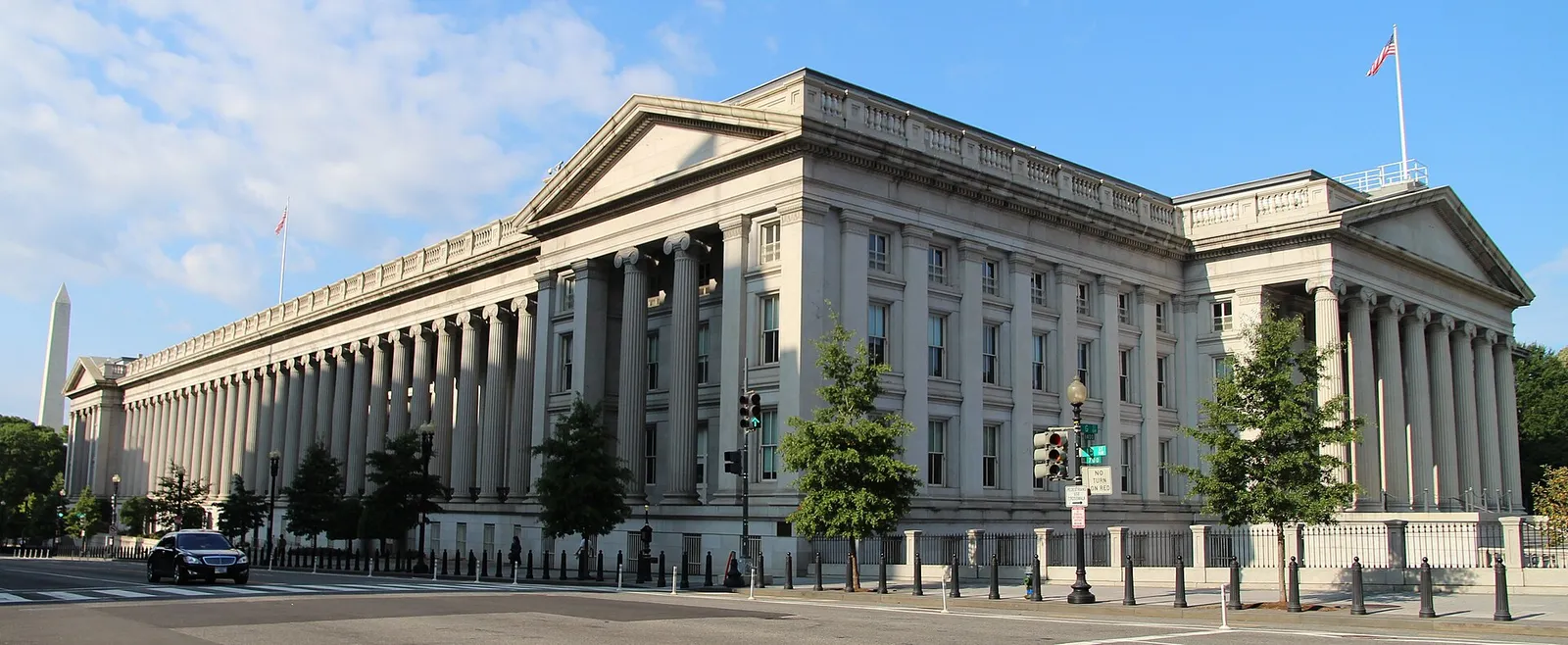
A temporary cut in value-added tax on a range of family outings and children's items has come into force across the United Kingdom, a summer measure the government is presenting as relief for households still feeling the pinch — and that tax experts say may not fully reach consumers' pockets.
What changed
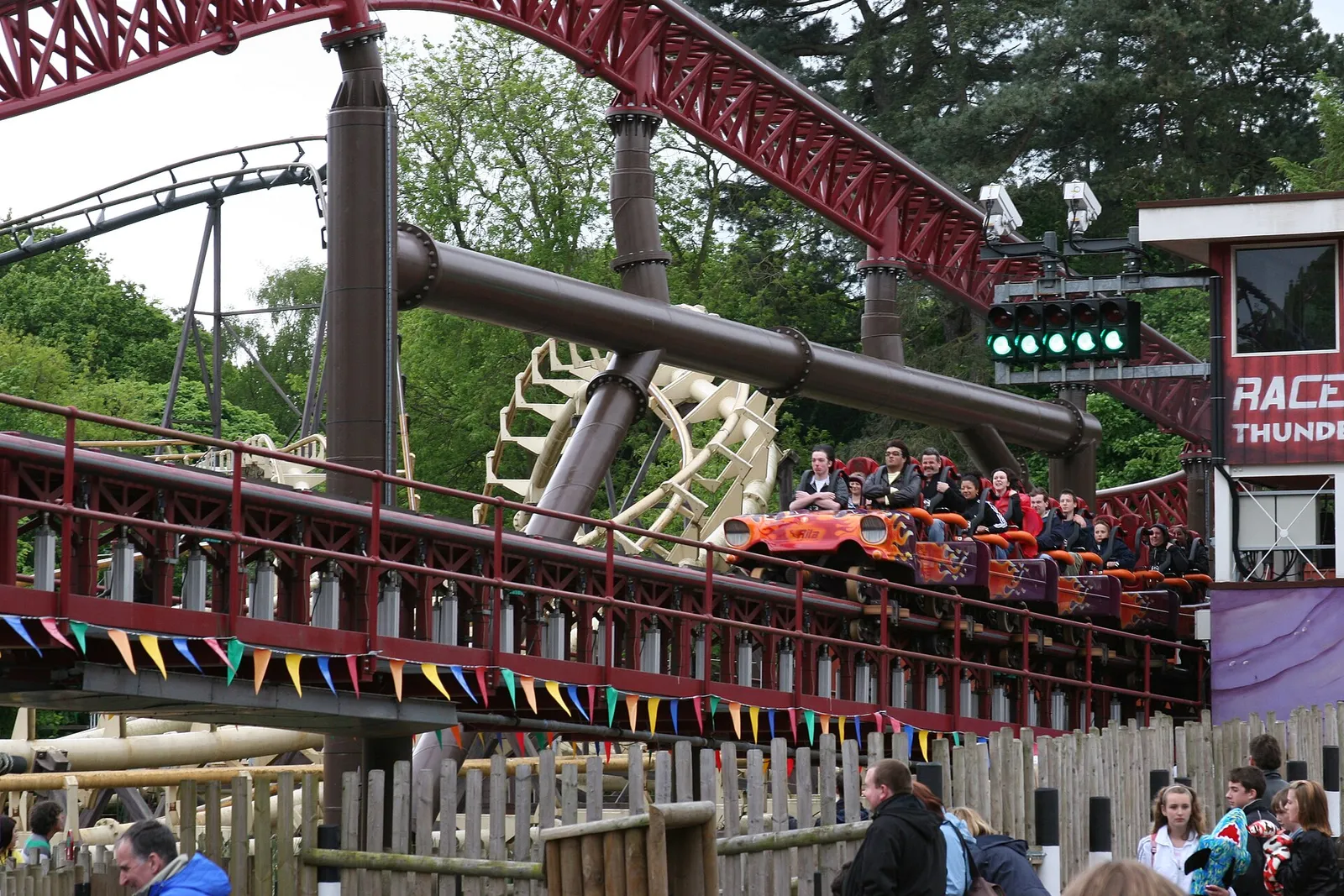
From June 25 until September 1, VAT on qualifying items falls from the standard 20% rate to 5%, under a scheme the government has branded "Great British Summer Savings," according to GOV.UK. The reduced rate covers children's meals eaten in restaurants and pubs, children's and family tickets for cinemas, theatres and concerts, and admission to a broad set of family attractions — theme and amusement parks, zoos, soft-play and adventure parks, farm attractions and similar venues.
There are limits. Takeaways are excluded, children's meals must come from a dedicated children's menu, and season tickets and pay-per-ride charges generally fall outside the scheme, HMRC guidance shows — meaning some venues will run two VAT rates at once.
The government's case
Chancellor Rachel Reeves and Prime Minister Keir Starmer announced the measure in May, framing it as targeted help for families during the school holidays. "Great British Summer Savings will support families with the little treats in life while boosting business across the UK," Reeves said, per the government's announcement. The Treasury estimates the scheme will cost around £300 million.
The cut arrives amid political upheaval: Starmer announced his resignation as prime minister on June 22, days before the measure took effect, and remains in office as a caretaker while Labour chooses a new leader. Whether his successor keeps, extends or scraps the temporary cut is an open question.
Will shoppers actually save?
Several large operators said they would pass the saving on. The government named Merlin Entertainments — which runs Alton Towers, Legoland and the London Eye — along with Cineworld and the restaurant chain Nando's among businesses cutting prices.
But there is no legal requirement to do so, and accountancy bodies have cautioned that many businesses, especially smaller ones with thin margins, may absorb the reduction rather than lower prices. If fully passed through, the cut would shave roughly £1.25 off a £10 children's meal.
Economists' doubts
Some analysts question the design. The ICAEW, the professional body for chartered accountants, noted that cutting tax during peak summer demand — when leisure venues are busiest anyway — is an unusual way to stimulate activity, and that the quieter off-season might have delivered more additional spending.
There is also a wider evidence base that sector-specific VAT cuts often fail to reach consumers. Studies of past hospitality VAT reductions in France and Lithuania found that much of the benefit was retained by businesses rather than passed on in lower prices. Economists at bodies such as the Institute for Fiscal Studies have long argued that targeted VAT reliefs tend to be a blunt and costly instrument compared with other forms of support.
The bottom line
For a family heading to a theme park or ordering off the kids' menu this summer, the cut could mean modestly cheaper days out — if their chosen venue chooses to pass it on. The government casts the measure as practical help at a pressured time; its critics see a £300 million, peak-season giveaway whose benefits may prove uneven. Which view holds up will become clearer as the summer's receipts come in.