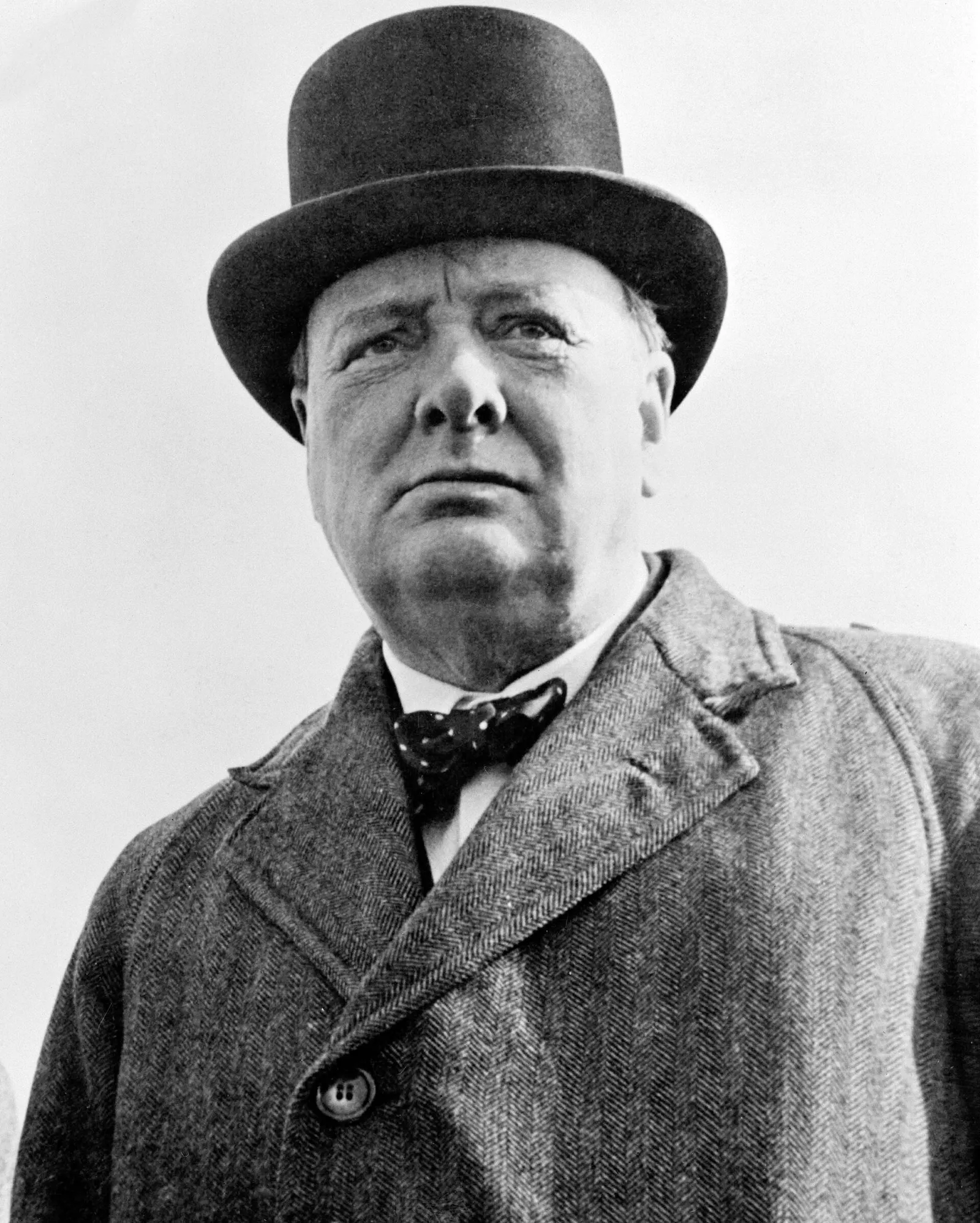
The Turner Prize-winning artist Helen Cammock has removed her video installation "Persistence" from London's National Portrait Gallery after a dispute over its portrayal of Winston Churchill and the 1943 Bengal famine, in which an estimated three million people died.
The roughly 40-minute film had been on display for about 10 months as part of an exhibition titled "Artists First: Contemporary Perspectives on Portraiture," and had been due to run until August, according to Eastern Eye and reporting carried by AOL.
What the work said
According to multiple reports, the installation referred to "the wilful starvation of the Indian population by Winston Churchill" during the famine. That phrasing became the focus of the controversy.
Cammock has defended the piece as a creative response rather than a historical record. She said the work "is not a documentary" but explores ideas "in response to the National Portrait Gallery, its collection and its archives," urging audiences to "hear it out." Her work, she said, "asks us to think about who is honoured and valorised and who is not; whose stories are told and whose are not." She framed the decision to withdraw as a difficult one, citing "an incredible pressure on artists and arts institutions to bend to external pressure."
The protest
The installation drew an open letter to the gallery organized by the Churchill biographer Lord Roberts of Belgravia — the historian Andrew Roberts — and signed by more than 50 peers, including Churchill's grandson Sir Nicholas Soames. The signatories disputed the claim about Churchill and described the installation as an "ideologically motivated rant," according to Eastern Eye and GB News.
The National Portrait Gallery said Cammock had decided to remove the film herself, and indicated that the views presented were the artist's and did not necessarily reflect the institution's position.
A contested history
Churchill's responsibility for the Bengal famine is a subject of genuine and unresolved scholarly disagreement, and newsparlor takes no position on it.
Some scholars argue wartime decisions worsened the catastrophe. The author Madhusree Mukerjee has pointed to shipping allocations, writing that "the War Cabinet's shipping assignments made in August 1943 ... show Australian wheat flour travelling to Ceylon, the Middle East, and Southern Africa — everywhere in the Indian Ocean but to India."
Other historians emphasize factors beyond any single leader's control. The economic historian Tirthankar Roy of the London School of Economics has argued that officials in Bengal and London largely believed there was no genuine shortage of food in the province, attributing scarcity instead to hoarding and a breakdown in distribution. A wider body of scholarship cites wartime disruption, the loss of rice imports from Japanese-occupied Burma, a cyclone, crop disease and rising prices among the contributing factors, alongside debate over the role of British policy.
A wider tension
The episode sits within a broader, recurring tension at cultural institutions over how to present contested figures and difficult histories — and over who decides. For Cammock and her supporters, the withdrawal raises questions about external pressure on artistic expression. For the letter's signatories, the issue is historical accuracy in a national museum. Both framings now hang over a film that is no longer on the wall.