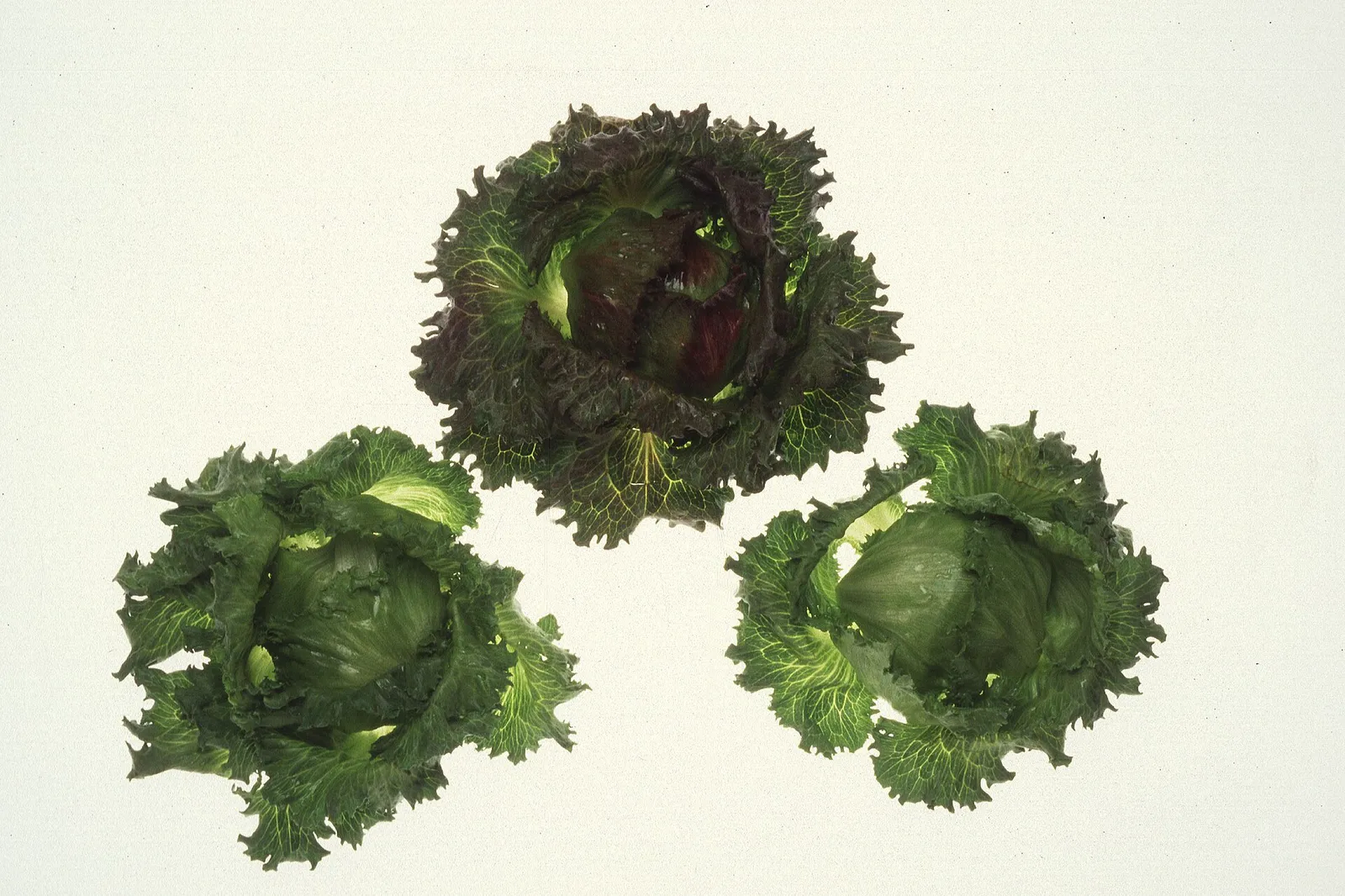
One of the largest suppliers of fresh produce in the United States is pulling all of its iceberg lettuce from the market after federal health investigators tied its shredded lettuce to a spreading outbreak of a parasitic stomach illness.
US health authorities have linked shredded iceberg lettuce supplied by Taylor Farms to a multistate outbreak of cyclosporiasis, the Food and Drug Administration and the Centers for Disease Control and Prevention said. A distinct cluster of cases was traced to Taco Bell restaurants in several states. In response, Taylor Farms said it was withdrawing all iceberg lettuce from the US market, and Taco Bell said it had removed the affected lettuce and would stop using the supplier.
A widening outbreak
The scale of the outbreak is considerable. As of the latest count, the CDC had recorded around 1,645 confirmed cases across more than 30 states, with about 141 people hospitalised, and no deaths reported. Investigators were also looking into several thousand additional suspected illnesses, meaning the true number affected could rise substantially as testing continues.
The cases linked specifically to Taco Bell were reported in a handful of states, among them Indiana, Kentucky, Michigan, Ohio and West Virginia. Officials said the contaminated lettuce represented only a small share of the country's overall iceberg supply, but the breadth of the illnesses prompted the sweeping withdrawal.
What cyclosporiasis is
Cyclosporiasis is an intestinal infection caused by a microscopic parasite, Cyclospora, which is spread when people consume food or water contaminated with it. It cannot be passed directly from person to person. The illness typically causes prolonged, watery diarrhoea, often accompanied by cramps, nausea, loss of appetite and fatigue, and symptoms usually appear about a week after infection.
Left untreated, the illness can drag on for weeks, sometimes easing and then returning. It is, however, readily treatable with a course of antibiotics, and health officials advise anyone with persistent symptoms to seek medical care and to mention any recent salads or lettuce they have eaten.
Not the first time
For Taylor Farms, the episode revives an unwelcome history. The company has been connected to foodborne-illness outbreaks before, including a cyclosporiasis outbreak more than a decade ago tied to salad mix, and, more recently, an E. coli outbreak linked to onions it supplied to McDonald's. Each such incident renews scrutiny of the safety of the vast, complex supply chains that bring fresh produce to American tables.
Health officials urged consumers to check whether any lettuce in their homes might be affected and to throw out anything in doubt. They also stressed that, for all the alarm an outbreak can cause, cyclosporiasis is rarely life-threatening and responds well to treatment.
The investigation is continuing, and the CDC has cautioned that case numbers may keep climbing as more suspected illnesses are confirmed. For now, the withdrawal of a major supplier's iceberg lettuce, and one of the country's best-known fast-food chains dropping that supplier, is a stark illustration of how a single contaminated ingredient can ripple across a national food system, and of the constant, often invisible, work of keeping it safe.