

When Mykhailo Fedorov took over Ukraine's defence ministry at the start of the year, he brought the habits of a technology entrepreneur to one of the most tradition-bound institutions in the state. Just over half a year later, he was gone, and his fall has become a parable about the limits of disruption in wartime.
Fedorov, 35, was an unusual figure to run a defence ministry, with no military background but a formidable reputation as a moderniser. As Ukraine's minister for digital transformation, he had built Diia, the app that put much of the state "in a smartphone," allowing millions of Ukrainians to access government services on their phones. He arrived at defence promising to bring the same speed and transparency to the machinery of war.
The drone revolution
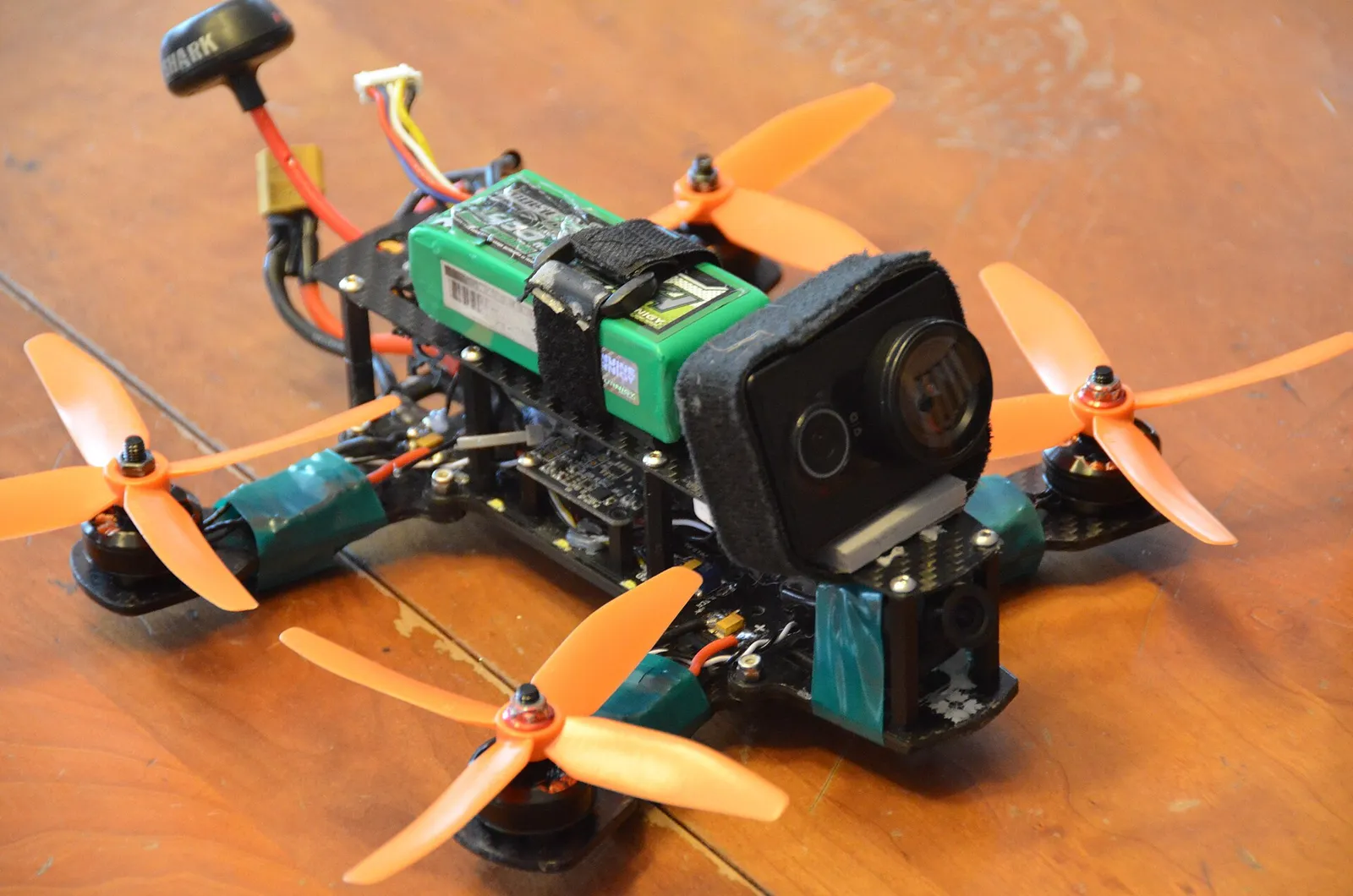
His most consequential work was in drones. Fedorov was a driving force behind Ukraine's effort to turn cheap, mass-produced uncrewed aircraft into a decisive weapon against a larger enemy, championing systems that let front-line units order drones directly from a wide array of domestic manufacturers and get them quickly, tailored to the mission at hand.
Under that push, Ukraine scaled up production and delivery of first-person-view drones dramatically, part of an ambitious drive toward making them by the million, with some models incorporating a degree of artificial intelligence. In a war where a few hundred dollars of drone can destroy a tank or hold a stretch of front, that approach helped offset Russia's advantages in men and heavy equipment, and made Fedorov a symbol of a nimble, tech-driven way of fighting.
A collision with the brass
Alongside the innovation came the disruption. Fedorov moved to root out waste, overhaul procurement and open contracting to competition, the kind of aggressive efficiency drive that works in a start-up but grates against a military hierarchy built on rank and established procedure. That, by many accounts, is where the trouble lay.
Reports of friction between Fedorov and the commander-in-chief of the armed forces, Oleksandr Syrsky, a career general, mounted over his plans to reshape the ministry. Where Fedorov saw modernisation, the military leadership is said to have seen a threat to its authority in the middle of a war. When President Volodymyr Zelensky dismissed him in mid-July, framed as part of a wider government reshuffle, the underlying message was hard to miss: in the contest between the reformer and the generals, the generals prevailed.
Fedorov did not go quietly, publicly lamenting that his initiatives had been blocked, and his removal was met with unusual expressions of public support, a reminder of how popular the young minister had become.
What his story reveals
The episode captures a genuine tension at the heart of Ukraine's war effort. The country's battlefield success with drones has come precisely from the fast, iterative, entrepreneurial spirit that Fedorov embodied, a willingness to experiment and to sideline bureaucracy. Yet its military remains a large, hierarchical institution, hardened by years of fighting and jealous of its authority, and not easily remade in the image of a technology firm.
Fedorov seems to have imagined the defence ministry as another Diia: a system to be redesigned around results and users. Instead he ran into the immovable weight of an establishment designed to resist exactly that kind of change. His rise showed what innovation could achieve; his fall showed its limits. And it leaves an open question for Ukraine, and for others watching how modern wars are fought: whether the drone-age creativity that has served it so well can survive the institutions it depends upon, or whether, in the end, the old order reasserts itself.