Oil prices fell again on Wednesday, extending a multi-week decline as fears over supply disruptions in the Middle East receded and traders unwound the risk premium that had been built into crude.
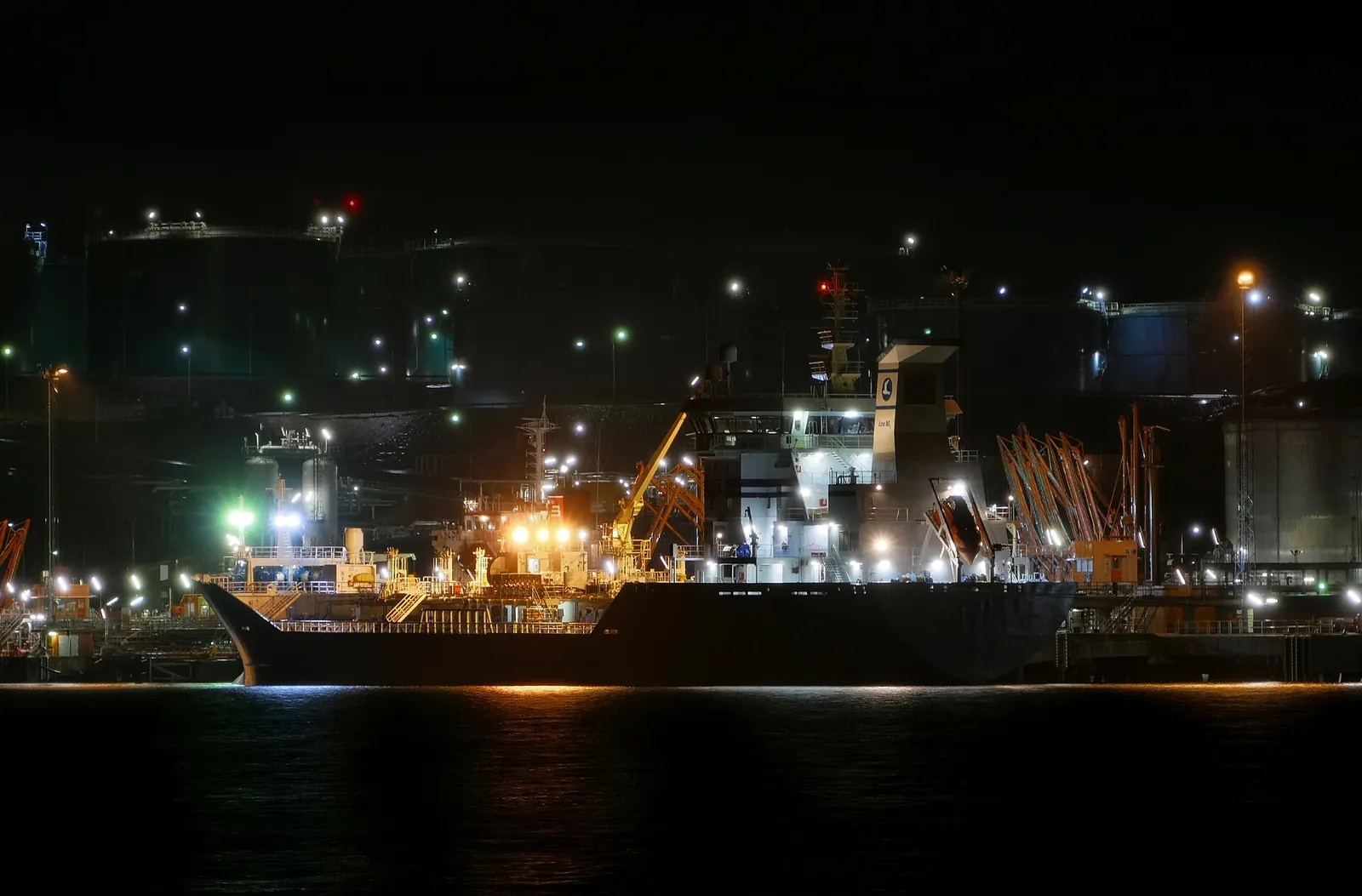
International benchmark Brent crude for August delivery fell 0.91 percent to $76.38 a barrel, while US West Texas Intermediate (WTI) for August dropped 0.94 percent to $72.52, according to CNBC. Analysts attributed the move to easing US-Iran tensions and a recovery in shipping through the Strait of Hormuz, the chokepoint through which a large share of seaborne crude passes.
Trump's accusation
Against that backdrop, President Trump took aim at the energy industry, arguing that retail gasoline prices were not falling as fast as the crude oil that refiners buy. "The big Oil Companies are not dropping their price at the pump commensurate with the sharply lower prices they are paying for Oil," Trump wrote, according to OilPrice.com. "Those prices are dropping like a rock! In other words, customers are being 'gouged.'" He said he had directed federal prosecutors to examine the matter, stating: "I have instructed the DOJ to immediately start looking into this."
The "gouging" characterization is the President's allegation. newsparlor has not seen evidence that any company has been found to have engaged in unlawful pricing, and the Justice Department had not announced findings or charges at the time of writing.
What the data show
US pump prices have in fact been easing. The national average for regular gasoline stood at roughly $3.85 a gallon, down about 14 cents over the prior week and lower for six consecutive weeks, OilPrice.com reported — a decline that has tracked the diplomatic push to settle tensions between the United States, Israel and Iran. The US Energy Information Administration has also forecast that retail gasoline will fall further in 2026 and 2027 as crude prices decline, though it cautioned the relief would be partly offset by stronger refining margins.
Why the pump lags the barrel
Energy economists offer a structural explanation for why prices at the pump do not fall as quickly as crude. The pattern is well documented as "rockets and feathers": retail fuel prices tend to rise quickly when crude climbs but drift down slowly when it falls.
Several factors drive the gap. Stations sell fuel bought days or weeks earlier, so inventory works through the system before cheaper crude reaches the forecourt. Refining economics matter too: the margin between wholesale gasoline and crude, known as the crack spread, has widened amid tighter refining capacity, meaning refiners can capture more per gallon even as crude cheapens. Regional bottlenecks can keep some markets elevated even as the rest of the country sees relief. None of those mechanics, analysts stress, amount to a finding of wrongdoing; they describe how the fuel supply chain typically behaves.
The industry's recent warning
The industry's most prominent recent message to Washington had run in a different direction. In the weeks before Trump's remarks, oil and gas executives warned the White House that gasoline prices could climb because fuel inventories had fallen toward critical lows — a concern tied in part to the Strait of Hormuz disruptions. The American Petroleum Institute and major oil companies had not issued a detailed public rebuttal specifically addressing the gouging allegation at the time of writing. With the DOJ's review only just announced, the dispute between the White House and the energy industry over who is responsible for prices at the pump appears set to run.