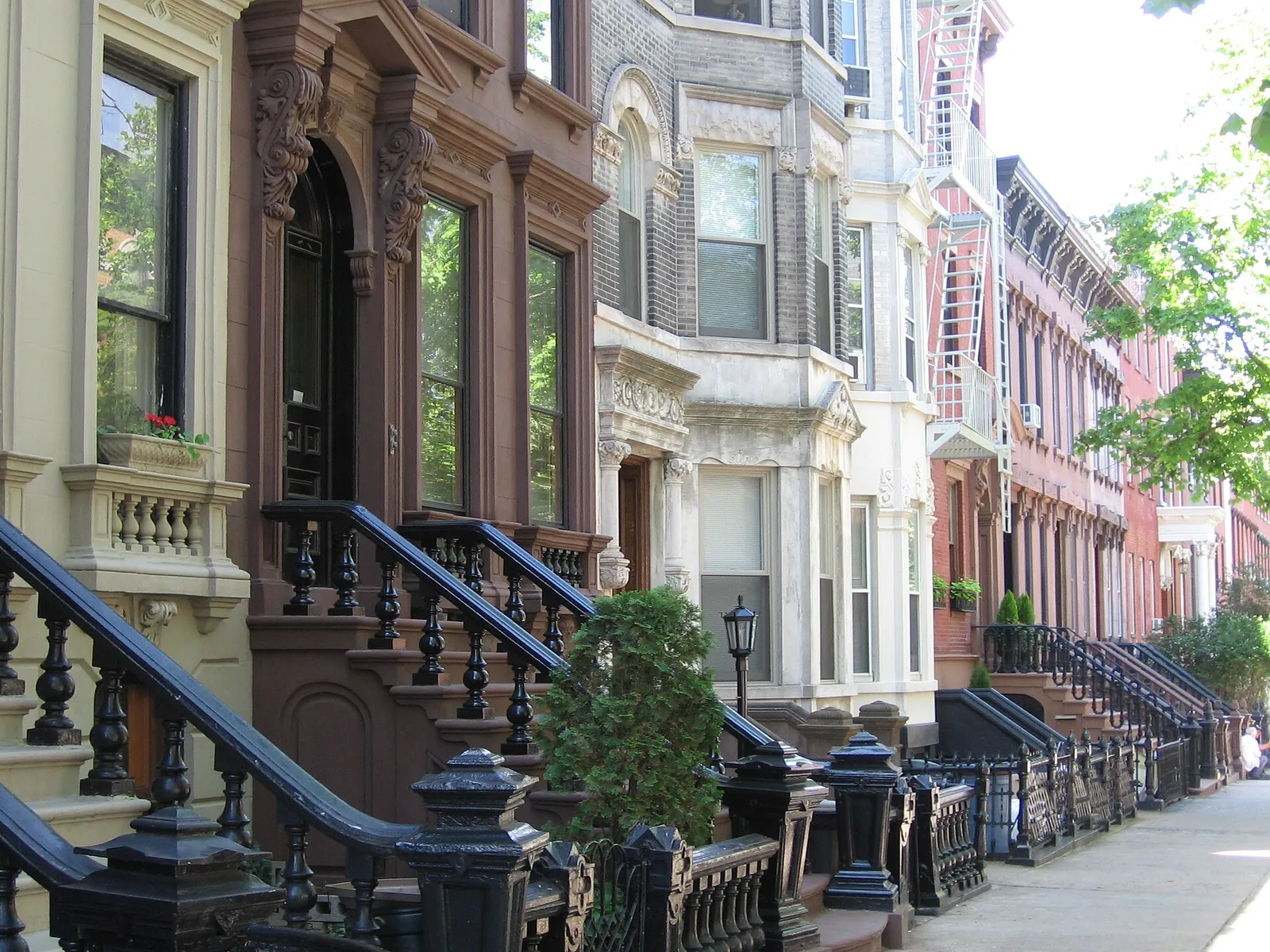
New York City has frozen rents on roughly one million rent-stabilized apartments for the coming year, a decision that lands at the center of one of the most contested debates in urban housing: how to balance relief for tenants against the upkeep of the buildings they live in.
The decision
The city's Rent Guidelines Board, a panel of mayoral appointees that sets allowable increases each year, voted 7-1 to hold increases at zero percent for rent-stabilized units, Al Jazeera reported. Stabilized apartments make up a large share of the city's rental housing — about 41 percent — and house a substantial portion of its lower- and middle-income residents.
A campaign promise delivered
The freeze had been a central pledge of Mayor Zohran Mamdani, and the vote was widely seen as his administration turning that promise into policy, NBC New York reported. Because board members are appointed by the mayor, the panel's direction tends to track City Hall's priorities. Mamdani called the outcome a victory for tenants and said he also intended to expand housing construction, framing the freeze as one part of a broader affordability push.
Tenants vs. landlords
For tenant advocates, the freeze offers protection from rising costs in an expensive market where stabilized rents are a key defense against displacement. Landlords and property owners pushed back hard. A former board member, Alex Schwartz, argued the freeze would make it harder for owners — especially smaller "mom-and-pop" landlords — to fund needed repairs, noting that a share of stabilized units already require fixes, per Al Jazeera. Another departing member, Christina Smyth, criticized the board's process as having reached a predetermined outcome. Owner groups have long argued that holding rents flat while taxes, insurance and maintenance costs rise erodes the very housing it aims to protect.
The underlying tension
The vote captures a familiar trade-off: immediate relief for current tenants versus the long-term effect on housing quality and supply. Supporters say that without stabilization, market rents would push out moderate-income New Yorkers; critics say sustained rent suppression discourages investment and shrinks affordable stock over time. Mamdani has acknowledged the supply side by pledging more construction. Whether the city can keep rents flat and still spur enough building to ease the broader market is a question that will shape its housing politics for years.