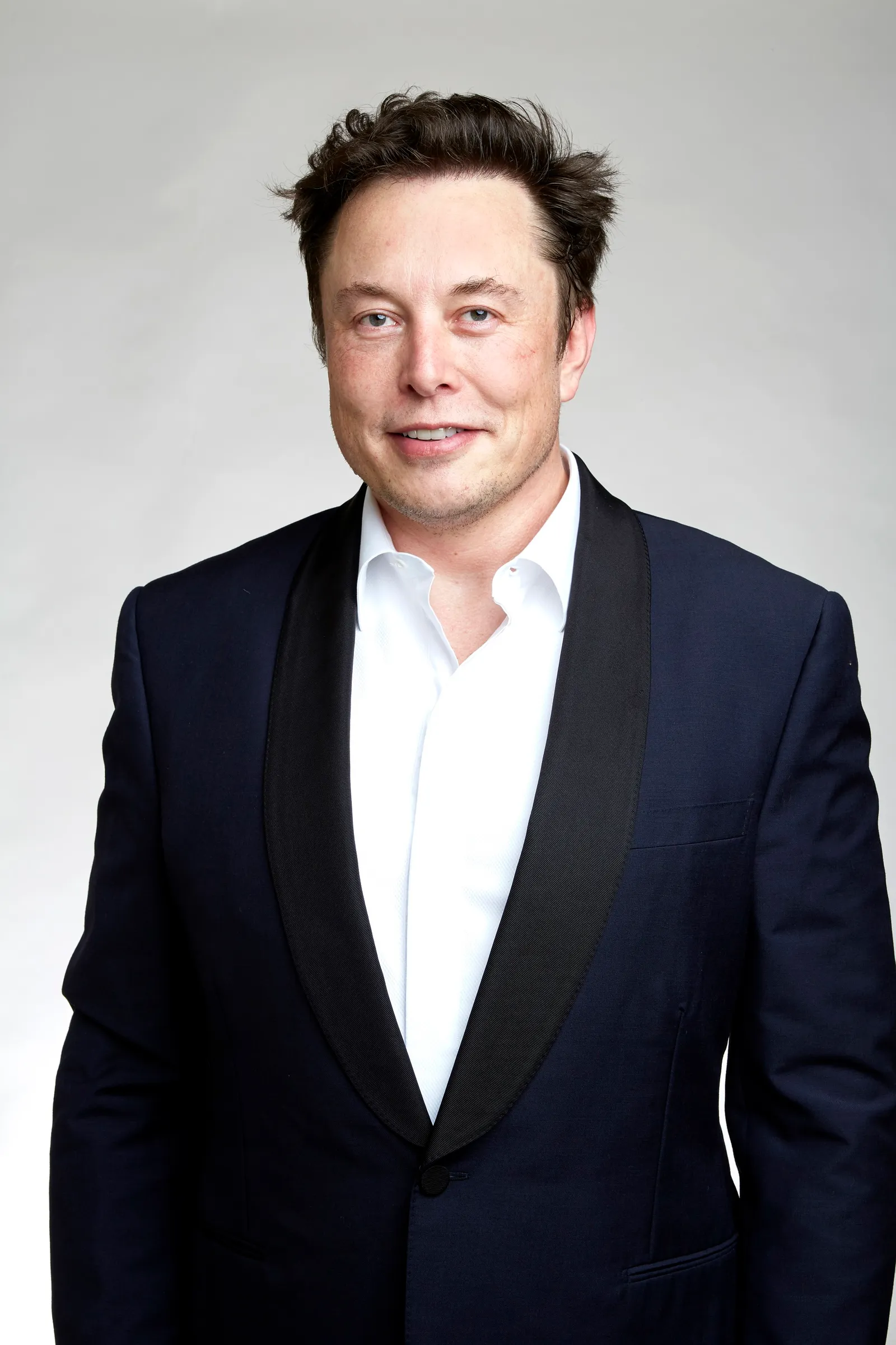
Elon Musk is, once again, not a trillionaire. The Bloomberg Billionaires Index put his estimated fortune at about $957 billion this week, after a steep slide in the shares of SpaceX — and a broader technology-stock selloff — wiped out the paper gains that had briefly carried his net worth above $1 trillion.
A record listing, then a rapid reversal
The swing followed SpaceX's stock-market debut. The rocket and satellite company listed publicly on June 12 in one of the largest IPOs on record, and its shares quickly soared. Because Musk holds roughly 40 percent of SpaceX, the rally had an outsized effect on his estimated wealth: by June 16, as the stock hit an intraday high near $225, Bloomberg's index valued his fortune at roughly $1.32 trillion — making him, on that measure, the first person ever estimated to be worth more than $1 trillion.
The run lasted barely a week and a half. By this week the stock had fallen more than 30 percent from that peak, Quartz reported, including a sharp single-day drop that alone erased hundreds of billions from Musk's estimated net worth.
Paper wealth, not cash
It is worth being precise about what "trillionaire" meant here. The figure is an estimate of net worth — dominated by the market value of Musk's SpaceX stake, which by this week accounted for close to 80 percent of his measured fortune, valued at roughly $744 billion. These are real-time estimates of paper holdings, not liquid cash, and they move sharply with the share price. Forbes, which updates less frequently and values holdings somewhat differently, has carried a higher figure than Bloomberg's during the volatility — a reminder that such rankings are estimates, not audited balances.
A broad tech selloff
SpaceX did not fall in isolation. The drop coincided with a wider rout in technology stocks, which analysts have linked to investor unease about lofty valuations in artificial-intelligence-related companies and the prospect of higher interest rates. Tesla, in which Musk also holds a large stake, came under selling pressure during the same stretch, compounding the decline in his estimated wealth, Invezz reported.
Still, comfortably the richest
For all the drama of the numbers, Musk remains by a wide margin the world's wealthiest individual. Bloomberg's index put his lead over the second-ranked person — the Google co-founder Larry Page, estimated at around $297 billion — at roughly $660 billion. The episode is less a story about Musk's standing than about how modern billionaire wealth is measured: when a fortune rests overwhelmingly on one concentrated, newly public stake, the same market mechanism that can manufacture a trillion-dollar headline in days can dismantle it just as fast.