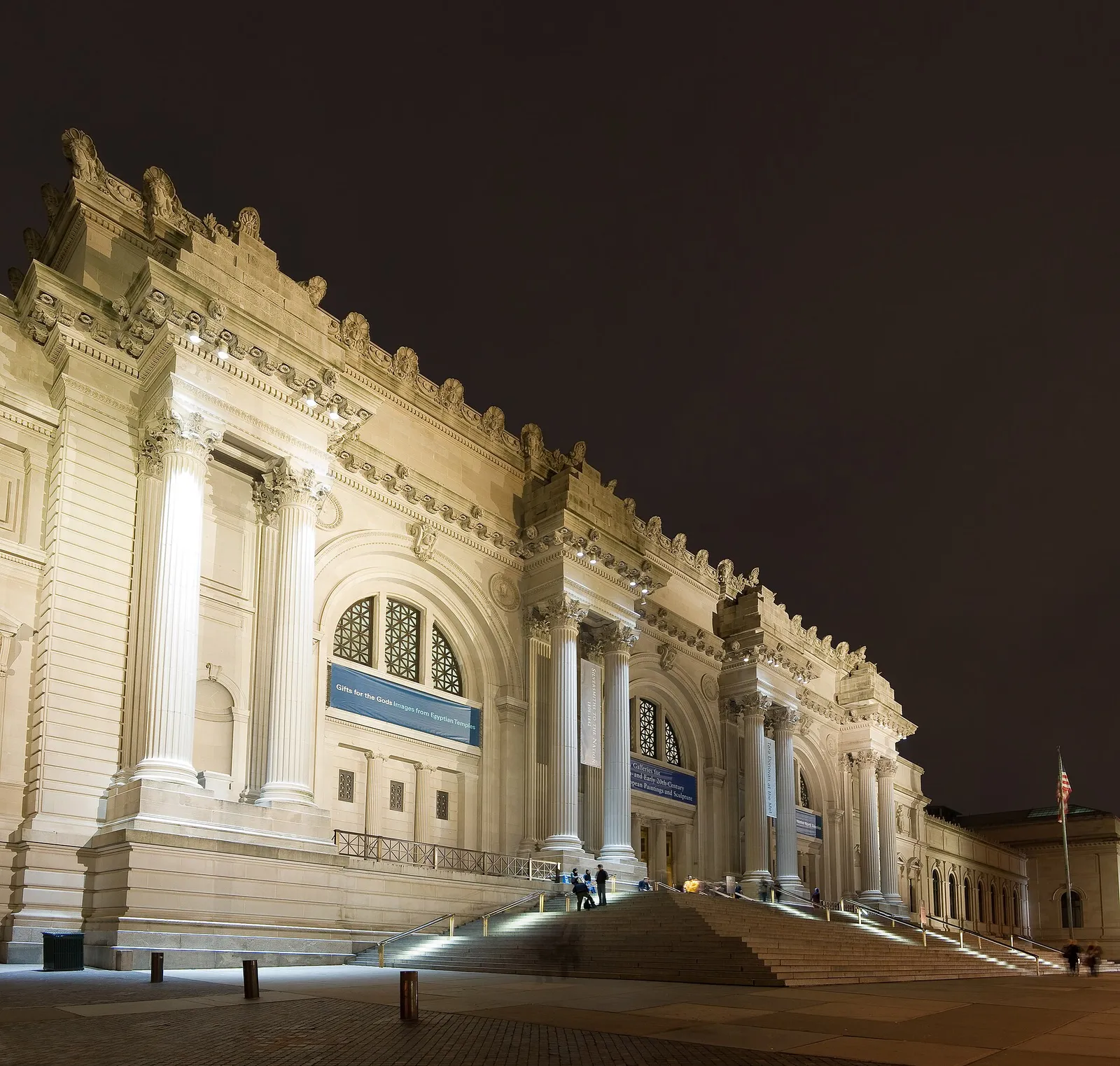
The total value of looted antiquities seized from the Metropolitan Museum of Art has surpassed $95 million following new recoveries, The New York Times reported — a cumulative tally that lays bare how many objects in the museum's collection arrived by way of trafficking.
A growing tally
The seizures are the work chiefly of the Manhattan District Attorney's Antiquities Trafficking Unit, which since its creation has recovered thousands of looted objects from museums, dealers and private collectors and returned them to their countries of origin. Items have flowed back from the Met to Italy, Greece, Egypt, Turkey, Cambodia and beyond. In June 2026, the museum returned two Khmer stone sculptures to Cambodia after investigators found they had been looted and trafficked, and in December 2025 prosecutors sent a group of antiquities to Turkey, among them a sculpture valued at around $25 million believed to have been stolen from a shrine at Bubon decades ago.
A wider pattern
The Met's case is part of a far larger effort. The Manhattan DA's office says its antiquities unit has recovered thousands of objects worth hundreds of millions of dollars for dozens of countries — work that reaches well beyond any single institution. The scale of the questions hanging over the Met itself is striking: an investigation by the International Consortium of Investigative Journalists identified more than 1,000 objects in the museum's catalog tied to people indicted or convicted of antiquities crimes, and prosecutors have executed multiple seizure warrants there since 2017.
The museum's response
The Met says it is committed to responsible collecting, cooperates with law-enforcement inquiries and returns objects shown to have been looted. It has hired provenance researchers and set up a dedicated team to scrutinize its holdings, paying particular attention to pieces acquired between the 1970s and 1990s — a period of rapid growth when documentation of where objects came from was far looser. Critics counter that the reforms, however welcome, have arrived only after public exposure and years of seizures, rather than from the museum's own initiative.
A global reckoning
The Met's experience mirrors a broader shift in how museums and governments treat cultural property. Practices once considered routine — buying antiquities from dealers with little paper trail — are now seen as legally and ethically untenable, and institutions across the world are reexamining collections assembled in those years. For the countries receiving their heritage back, each return carries a weight beyond money: an assertion of ownership over objects that, for decades, sat behind glass far from home. For the Met, the climbing total is an uncomfortable measure of how one of the world's most celebrated collections was built.