Japan is set to sharply increase the cost of entering the country, in a twin set of changes aimed at a tourism surge that has both enriched its economy and strained its most famous sites.
What's changing
From July 1, the fee for a single-entry visa will rise fivefold, from ¥3,000 to ¥15,000 (roughly $95-100), while a multiple-entry visa will double to ¥30,000, Euronews reported. It is the first change to Japan's visa fees since 1978. At the same time, the country's international tourist departure tax — collected automatically on airline and ferry tickets — is tripling from ¥1,000 to ¥3,000 per traveler, according to Nippon.com.
Why now
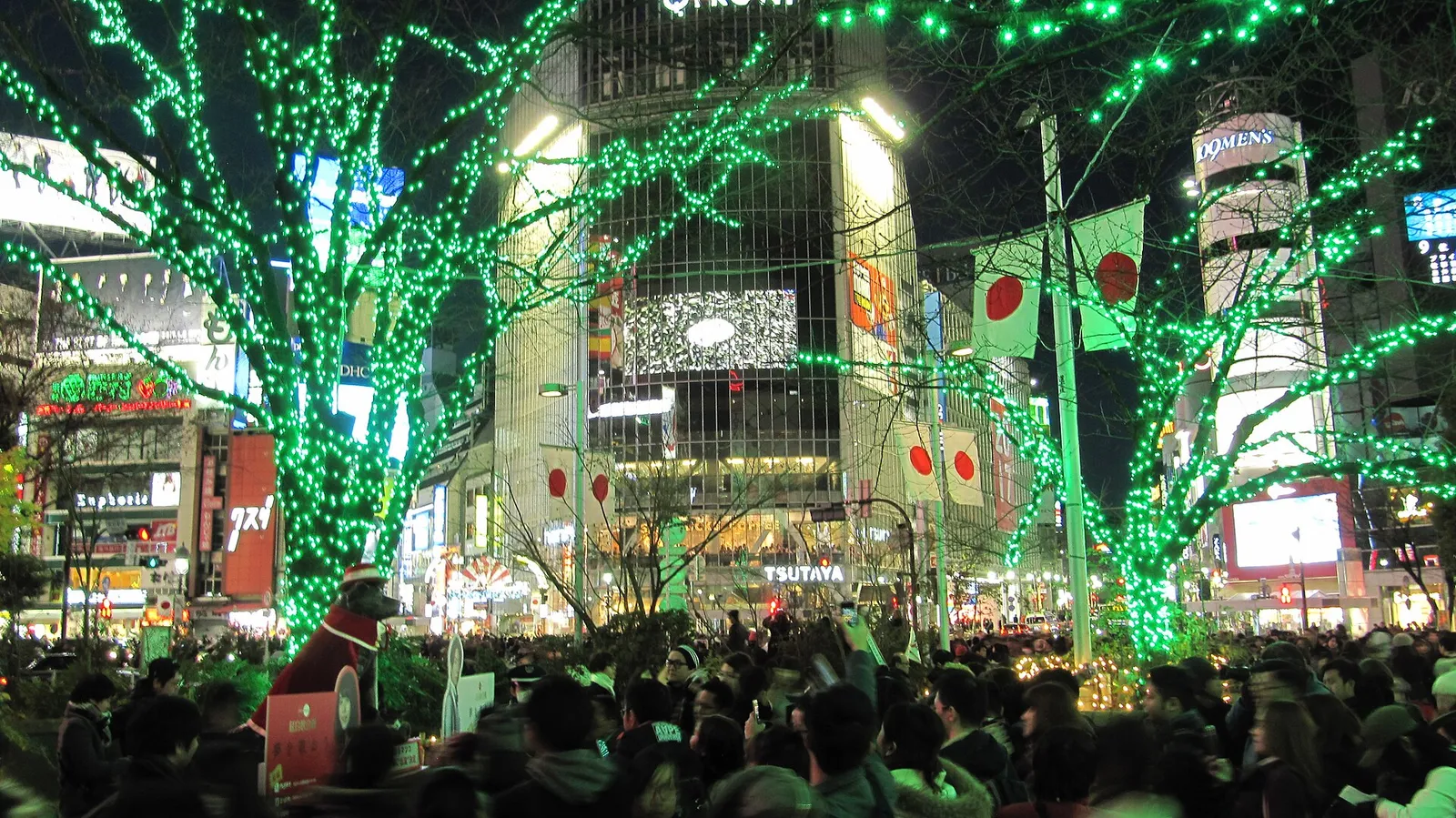
The increases come amid a tourism boom of extraordinary scale. Japan welcomed a record 42.7 million foreign visitors in 2025, up nearly 16% on the previous year, with visitor spending reaching around ¥9.5 trillion. A weak yen has been central to the rush, making Japan unusually cheap for foreigners — and, officials note, eroding the real value of fees that had been left untouched for decades. Foreign Minister Toshimitsu Motegi pointed to "nearly five decades of inflation and major changes in exchange rates" in explaining the rise.
The strain of success
That popularity has come at a cost for some communities. Authorities have capped the number of climbers on Mount Fuji's busiest trail and introduced access fees, while Kyoto has rolled out crowd-control measures to ease congestion at temples and on buses. The extra revenue from the higher charges is earmarked in part for managing tourism — funding infrastructure, services and efforts to spread visitors beyond the most crowded hotspots.
Still a bargain?
Even after the increase, Japan's charges are not high by international standards: a British visit visa costs £127 and a European Schengen visa €90. And many travelers will not pay the visa fee at all — citizens of the United States, the United Kingdom, Canada, Australia and much of the European Union can enter visa-free for up to 90 days, though they too will face the higher departure tax. Analysts expect the changes to do little to slow the influx. The aim, in effect, is not to deter visitors but to ask more of them — turning a record-breaking boom into a steadier source of funding for the country that has to absorb it.