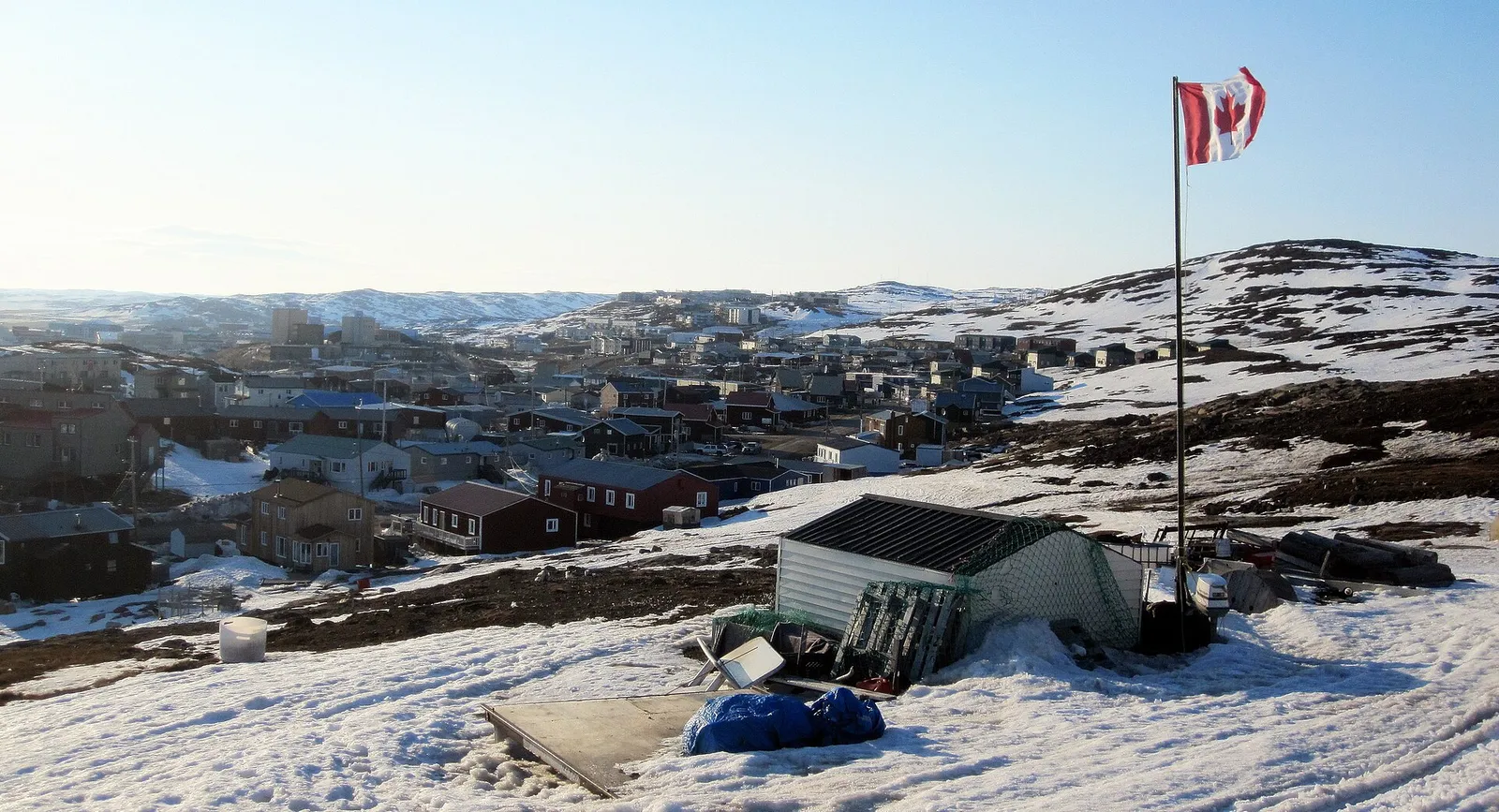
In most cities, a bus route is unremarkable. In Iqaluit, it is an event. Canada's most northerly capital, a wind-scoured Arctic town reachable from the rest of the country only by plane or, in the short ice-free season, by sea, has public bus service once more, for the first time in roughly twenty years.
The new shuttle, run privately, carries passengers along a route linking the airport with the outlying neighbourhood of Apex, stopping at points across the compact town in between. A single adult fare is about $5, with cheaper fares for older riders and free travel for young children, a marked saving on the taxis that had been many residents' only alternative and that can cost more than $9 a trip.
Why a small city went without
Iqaluit is home to roughly 8,000 people, and its size is part of the reason it long lacked a bus. The city ran a municipal service until 2004, when it was scrapped after years of thin ridership left each journey heavily subsidised. For two decades since, getting around a town where winter temperatures plunge far below freezing meant owning a vehicle, sharing a ride, or paying for a cab.
As Iqaluit has grown and the cost of taxis has risen, the case for a bus has strengthened. Residents without cars, and those with limited mobility, had pressed for an affordable way to move around, and the city approved the new privately operated service after working through questions of routes, stops and accessibility.
An Arctic kind of transit
Running a bus in the eastern Arctic is not like running one down south. There are no highways connecting Iqaluit to other communities; the town sits on the shore of Frobisher Bay, its gravel and paved streets ending where the tundra begins. Extreme cold, long darkness in winter and permafrost that buckles roads and runways all complicate the everyday business of moving people around.
Against that backdrop, the arrival of a dependable, low-cost bus is more than a convenience. It is a piece of ordinary city life that residents of a small, isolated capital have gone without, and its return has been greeted with genuine delight by those who rode it in its first days.
A modest milestone
One shuttle on one route will not transform Iqaluit overnight, and whether ridership holds up through the seasons remains to be seen. But in a place where the basics of urban living are hard-won, a bus that turns up, takes you across town and does not cost a small fortune is its own kind of progress, and a reminder that even the smallest infrastructure can loom large at the top of the world.