Before she even reaches the dancefloor, one habit kicks in: a quick scan of the room for raised phones. For many young clubgoers, the worry is not being seen by the people around them, but by the millions who might see them later, if a stranger's video finds its way online.
That anxiety, described in BBC reporting on Gen Z nightlife, is quietly changing how a generation goes out. The fear is specific and modern: that a clumsy dance move, an awkward moment or simply an unflattering angle could be filmed without consent and turned into a meme, a punchline, or a problem with an employer. In a world where everyone carries a camera, the dancefloor can feel less like an escape than a stage.
The venues respond
Clubs are increasingly taking the decision out of patrons' hands. The approach was pioneered in Berlin's storied nightlife scene, where a no-filming culture is widespread and the famed techno club Berghain is known for placing stickers over the cameras on guests' phones at the door. The rule grew out of a desire to protect the privacy of guests, particularly in queer spaces where being outed on camera carries real risk.
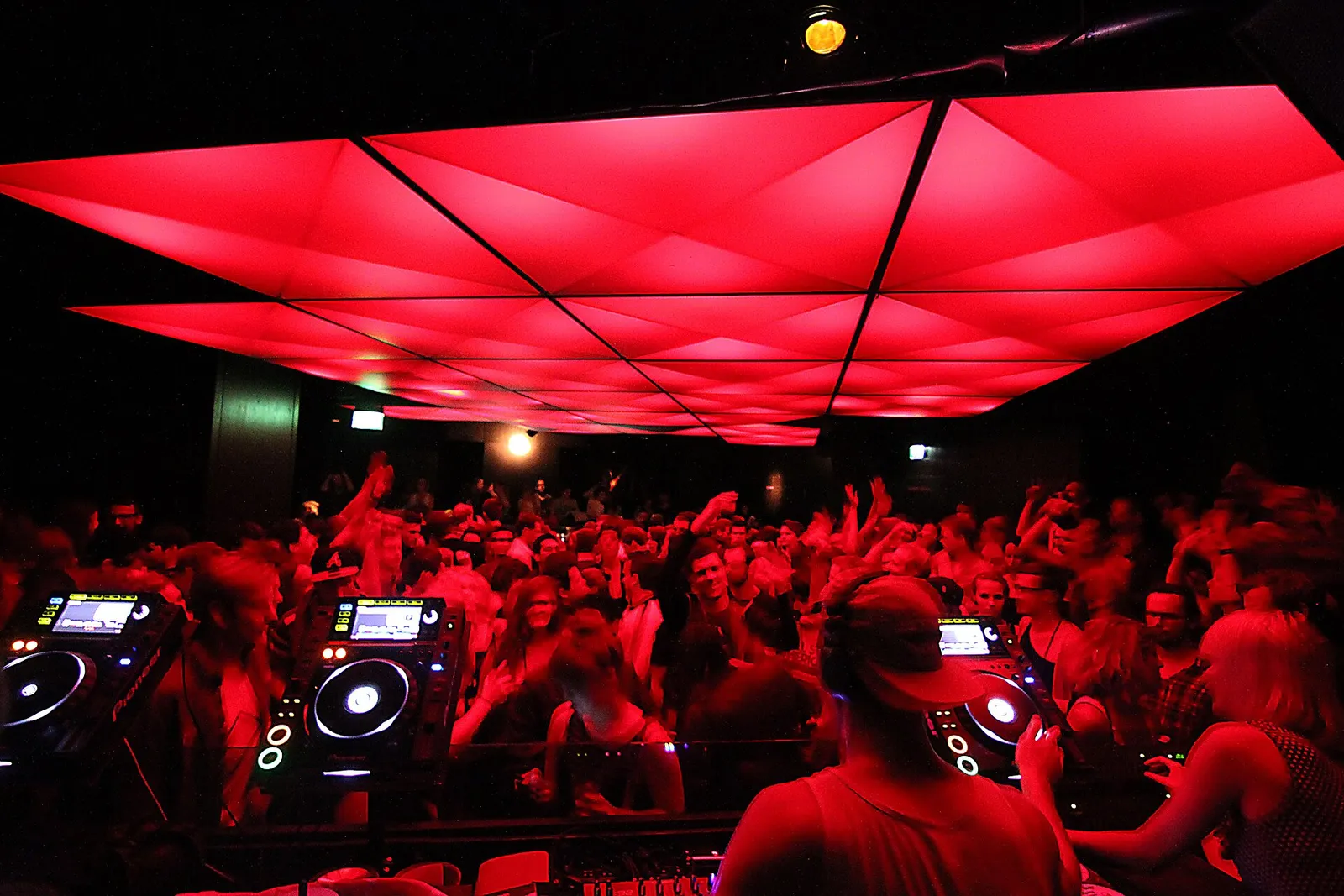
London has followed. The club FOLD has restricted photography since it opened, and Fabric reintroduced a phone policy when it reopened. In Manchester, the underground venue Amber's asks security to cover phone cameras and ejects those who keep filming. "Arms in the air, rather than phones," is how one of its directors has described the goal.
Locking the phone away
Some venues go further, sealing phones away entirely. Magnetic lock pouches made by the company Yondr, already familiar from comedy shows and concerts where performers want no recordings, have moved into nightlife. Guests keep their phones on them but cannot open the pouch until they reach a designated area, removing the temptation to film without forcing anyone to hand over a device.
Promoters who have tried these formats report a livelier room, with people more present and more willing to let go when they are confident no one is broadcasting the night.
A telling paradox
There is an irony at the heart of the trend. Clubs have long relied on exactly the kind of footage they are now banning: the viral clip, the tagged photo, the sense of a place everyone wants to be. Word of a great night still spreads online. Yet a growing number of venues are betting that, for younger crowds, the promise of not being filmed is now the bigger draw.
It reflects a wider shift among young people wary of the permanence of digital life, some of whom are seeking out phone-free spaces of all kinds. On the dancefloor, at least, the pitch is simple: come as you are, dance how you like, and trust that what happens here will not follow you home.